❄️ What Is the Death Zone?
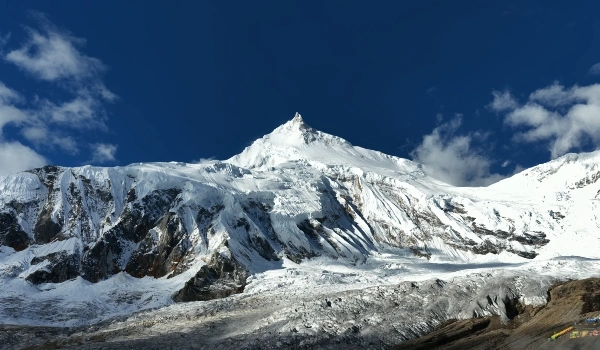
The “Death Zone” refers to altitudes above 8,000 meters, found on peaks like Mount Everest. At this height:
- Oxygen levels drop to about one-third of sea level
- The body cannot acclimatize further
- Cells begin to break down due to lack of oxygen
Even basic actions—walking, clipping ropes, adjusting gear—become exhausting. Decision-making slows, and every step feels like running a marathon.
🧠 The Body Under Extreme Stress
Inside the Death Zone, your body is essentially shutting down:
- Hypoxia (low oxygen): Leads to confusion, poor judgment, and hallucinations
- Hypothermia: Temperatures can drop below -40°C (-40°F)
- High-Altitude Illnesses: Including HAPE (fluid in lungs) and HACE (brain swelling)
- Frostbite: Extremities freeze quickly due to reduced circulation
Sleep becomes nearly impossible. Digestion slows. Even tying your boots can feel overwhelming.
🧗♂️ The Summit Push: A Race Against Time
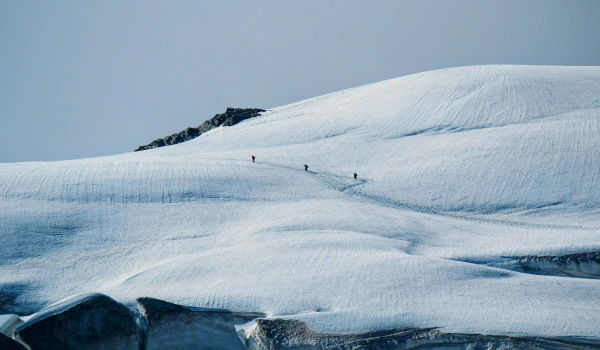
Climbers typically enter the Death Zone during their final summit push—often starting at night from Camp IV.
Why night?
- Firmer snow conditions
- Less avalanche risk
- Better chance to summit at sunrise
But this push is brutal:
- Climbers move at a painfully slow pace
- Oxygen supplies are limited
- Weather windows are short and unpredictable
Most climbers aim to spend less than 16–20 hours in the Death Zone. Staying longer dramatically increases the risk of death.
⚠️ The Real Dangers
The Death Zone isn’t just physically demanding—it’s deadly.
- Traffic jams: Overcrowding can force climbers to wait in freezing conditions
- Equipment failure: Oxygen system malfunctions can be fatal
- Sudden weather changes: Storms can trap climbers instantly
- Mental fatigue: Poor decisions can cost lives
Many who perish on Everest do so here—and some remain, frozen in place, as haunting reminders of the mountain’s power.
🧰 How Climbers Survive
Survival in the Death Zone depends on preparation, discipline, and teamwork:
Key survival strategies:
- Supplemental oxygen: Essential for maintaining brain and body function
- Proper acclimatization: Weeks spent adjusting to altitude beforehand
- Experienced guides & Sherpas: Critical for navigation and safety
- Strict turnaround times: Knowing when to descend, even if the summit is close
- Layered gear: Protects against extreme cold and wind
Above all, climbers must respect one rule:
👉 Getting to the summit is optional. Getting down is mandatory.
🌄 The Psychological Battle
Beyond the physical toll, the Death Zone tests the mind:
- Fear, isolation, and exhaustion blur reality
- Climbers must push forward despite pain and doubt
- Turning back—after months or years of preparation—requires immense mental strength
Some describe it as stepping into another world—silent, surreal, and unforgiving.
🏁 Final Thoughts
Surviving the Death Zone is not about conquering the mountain—it’s about endurance, humility, and survival. Mount Everest doesn’t care about ambition or dreams. It rewards preparation and punishes mistakes without mercy.
And yet, for those who make it through, the experience is life-changing—a reminder of both human limits and resilience.