12
Days

North Annapurna Base Camp Trek

15 Reviews in TripAdvisor
2 Reviews in Google Reviews
Wishlist

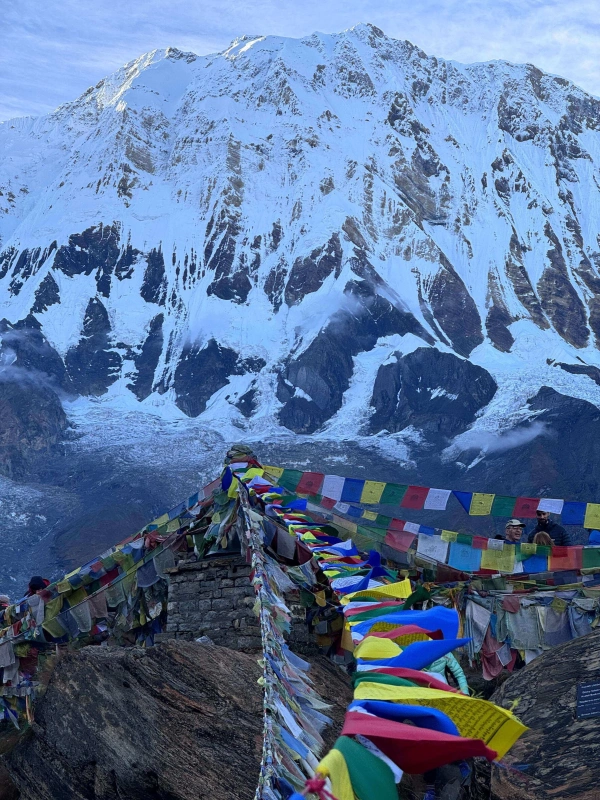
The Annapurna North Base Camp Trek is a remote and adventurous journey into the less-explored northern side of the Annapurna massif, offering a quieter alternative to mainstream trekking routes. Starting from Kathmandu and passing through Pokhara, the trail winds through traditional villages, forests, and alpine landscapes. Trekkers gradually ascend to the spectacular Annapurna North Base Camp (4,190 m), surrounded by glaciers and towering peaks. This moderately challenging trek combines cultural immersion with raw wilderness and requires good fitness and acclimatization. It is an ideal choice for those seeking a unique, off-the-beaten-path Himalayan experience.

Trip Facts
Duration
12 Days
Country
Nepal
Maximum Altitude
4190m
Group Size
1-12
Starts
Kathmandu
Ends
Kathmandu
Activities
Camping trek, Panoramic mountain view
Best Time
Mar-May (Spring) | Sep-Nov (Autumn)

The Annapurna North Base Camp Trek is a remote and adventurous journey into one of the least-explored regions of the Annapurna Himalayas. Unlike the more commercialized trails leading to Annapurna Base Camp, this route follows a quieter path through Narchyang village toward the northern base of Annapurna I. The trek combines raw wilderness, cultural authenticity, and high-altitude exploration, making it ideal for trekkers seeking solitude and a more rugged Himalayan experience.

The journey begins in Kathmandu and transitions to the scenic lakeside city of Pokhara before entering remote mountain terrain. As you ascend, the landscape shifts dramatically—from terraced farmland and subtropical forests to alpine meadows and glacial moraines. The final destination, Annapurna North Base Camp, offers breathtaking views of towering हिमालय peaks and pristine glaciers, delivering a truly rewarding trekking experience.

Trip Highlights

  • Trek to the remote Annapurna North Base Camp (4,190 m)
  • Stunning close-up views of Annapurna I and surrounding हिमालय ranges
  • Experience authentic Magar culture in Narchyang village
  • Scenic drive between Kathmandu and Pokhara
  • Off-the-beaten-path trekking with fewer crowds
  • Diverse landscapes from subtropical forests to alpine terrain
  • Camping adventure in remote high-altitude
  • Exploration of glaciers and dramatic mountain scenery

Altitude and Acclimatization

This trek reaches a maximum altitude of 4,190 meters at Annapurna North Base Camp, making proper acclimatization essential. The itinerary is designed with gradual elevation gain and includes strategic overnight stops such as Sandhi Kharka to help trekkers adapt to thinner air. Maintaining hydration, pacing, and awareness of altitude-related symptoms is crucial for a safe and successful trek.

Remote Wilderness and Trail Conditions

The Annapurna North route is far less developed than other trekking trails in Nepal, offering a true wilderness experience. Trails can be rugged, narrow, and occasionally unmarked, especially beyond Narchyang. Trekkers should be prepared for basic infrastructure, limited connectivity, and camping in higher elevations, which adds to the expedition-style nature of the journey.

Flora, Fauna, and Natural Diversity

The trek passes through the Annapurna Conservation Area, home to diverse ecosystems. Lower regions feature lush forests of rhododendron, oak, and bamboo, while higher altitudes transition into alpine grasslands and glacial landscapes. Wildlife such as Himalayan thar and various bird species can occasionally be spotted, enriching the natural experience of the trek.
Itinerary and Map

Day 1

Arrival in Kathmandu

You arrive in Kathmandu, Nepal’s capital, where your trek preparation begins. After hotel check-in, you can rest or explore nearby heritage sites like Thamel. A short briefing about the Annapurna North Base Camp trek is usually conducted in the evening.

Day 2

Drive from Kathmandu to Pokhara

A scenic drive along rivers and hills takes you to Pokhara, a gateway to the Annapurna region. The route follows the Trishuli and Marsyangdi rivers, offering rural landscapes and terraced farms. In Pokhara, you can enjoy views of Phewa Lake and prepare for the trek.

Day 3

Drive to Tatopani & Trek to Upper Narchyang

You drive through mountainous terrain to Tatopani, known for its natural hot springs. From there, the trek begins with a steady uphill climb through forests and local settlements to Upper Narchyang. This village offers cultural immersion with traditional Magar communities.

Day 4

Trek to Chhotepa

The trail ascends gradually through dense forests and narrow ridgelines. You’ll pass waterfalls and remote grazing areas with fewer settlements. Chhotepa is a quiet stop with basic facilities, often used as a camping site.

Day 5

Trek to Sandhi Kharka

This is a more demanding ascent as you gain significant altitude. The vegetation transitions into alpine terrain with open meadows. Sandhi Kharka provides stunning panoramic views and is a key acclimatization point.

Day 6

Trek to Annapurna North Base Camp

A challenging but rewarding day takes you to the base camp of Annapurna North Base Camp. The trail includes rocky paths and glacial terrain. Upon arrival, you’re surrounded by towering हिमालय peaks, offering a dramatic alpine experience.

Day 7

Exploration & Return to Sandhi Kharka

After sunrise views at base camp, you explore the glacier area and take photos. Later, you descend back to Sandhi Kharka, which helps with acclimatization and reduces altitude-related risks. The descent feels easier but still requires caution.

Day 8

Trek to Thulo Bugin

The route traverses alpine pastures and remote ridges. Thulo Bugin is a wide meadow offering expansive mountain views. It’s a peaceful campsite, often used by herders during grazing seasons.

Day 9

Trek to Lete

A long descent through forests and traditional villages leads you to Lete, located in the Kali Gandaki Valley. The trail reconnects with more established trekking routes. Warmer temperatures and better facilities await here.

Day 10

Drive to Pokhara

You drive back to Pokhara through scenic mountain roads. After days in remote wilderness, Pokhara feels comfortable and lively. You can relax by Lakeside Pokhara in the evening.

Day 11

Drive to Kathmandu

The return journey follows the same highway back to Kathmandu. You’ll have time for last-minute shopping or sightseeing. A farewell dinner is often arranged to celebrate the successful trek.

Day 12

Final departure to homeland

Your Annapurna North Base Camp adventure concludes today. Depending on your flight time, you may explore a bit more of Kathmandu. You’ll be transferred to the airport for your onward journey.

Are you still confuse from where to start? GMT Adventures has solutions.

Cost Details

Included

🏨 Accommodation & meals

  • 3 nights in Kathmandu — 3-star hotel, twin sharing, bed & breakfast

  • 2 nights in Pokhara — 3-star hotel, twin sharing, bed & breakfast

  • 3 meals a day during the trek (breakfast, lunch & dinner, including tea and coffee); hygienic, fresh vegetables and meat served throughout

  • Lodging along the trek route — hotel, lodge or tent as accessible

🚗 Transportation & transfers

  • Airport–hotel–airport transfers by private vehicle (pick-up and drop)

  • Domestic flights: Kathmandu–Pokhara and Pokhara–Kathmandu as per itinerary

  • Road transfer: Pokhara–Humkhola and Humkhola–Pokhara as per itinerary

🧭 Guides, porters & staff

  • Government-licensed, English-speaking guide for the trek and Kathmandu Valley sightseeing

  • Porters as required (1 porter per 2 members) for the full trek, both ways

  • All Nepali staff & porter wages, salary, equipment, food and clothing

  • Medical and emergency rescue insurance for all Nepali staff involved

📋 Permits & documentation

  • Annapurna Conservation Area Project (ACAP) permit fees

  • Annapurna Region trekking map

🎒 Equipment & gear

  • Porter carries up to 25 kg of personal baggage per member during the trek

  • All necessary camping equipment throughout the trek

  • Comprehensive medical kit

  • Satellite phone carried by guide for emergenciesmember use charged separately

Excluded

✈️ International travel

  • International airfare to and from Kathmandu

  • Nepal entry visa fee — USD $50 for 30 days (payable on arrival)

🛡️ Personal insurance Mandatory

  • Personal travel insurance covering trip cancellation, interruption, high-altitude rescue, air evacuation, medical treatment and repatriation

🍽️ Meals & extra accommodation

  • Lunch and dinner during the Kathmandu hotel stay (breakfast only is included)

  • Extra nights in Kathmandu or Pokhara due to early arrival, late departure, early return from trek, or domestic flight cancellation

🧴 Personal expenses & toiletries

  • Personal trekking gear, clothing, packing bags and personal medical kit

  • Toiletries: soaps, shampoos, toothpaste, toilet paper and other personal hygiene items

  • Telephone calls, internet, battery recharge, hot shower, hot/bottled water, laundry, soft drinks, beer and alcoholic beverages

📷 Filming & communications

  • Special filming, camera and drone permit fees

  • Internet service during the trek

💰 Additional charges & tips

  • Extra porter — USD $25 per day if requested beyond the standard ratio

  • Tips for guides, porters and staff

  • Any services, activities or items not listed in the cost-includes section

Essential Information

🗺️ Route & Itinerary

The trek usually begins from villages near Tatopani, following trails that wind through dense forests, terraced farmland, and remote settlements. As you ascend, the route passes through culturally rich villages like Narchyang, where traditional lifestyles remain intact. The path gradually becomes steeper and more rugged, eventually leading into alpine terrain and glacier zones near the base camp. The journey can take anywhere from a week to nearly two weeks, depending on pace, acclimatization, and chosen route variations.

🌄 Major Attractions

One of the biggest highlights of this trek is the pristine and uncrowded environment, where trekkers can fully immerse themselves in nature. The route offers breathtaking views of towering peaks such as Annapurna I and the stunning Nilgiri Himal. Along the way, you’ll encounter waterfalls, deep river valleys, and high-altitude glaciers. The cultural aspect is equally rewarding, as you pass through traditional villages where you can experience local customs, hospitality, and lifestyles that have remained unchanged for generations.

⚠️ Difficulty & Risks

The North ABC trek is considered moderately to highly challenging due to its remote nature and lack of infrastructure. Trails can be rough, steep, and sometimes difficult to follow, especially in higher sections. Weather conditions can change rapidly, and trekkers may face risks such as landslides, altitude sickness, and extreme cold. Because of these factors, proper preparation is essential, and hiring an experienced guide is highly recommended to ensure safety and navigation.

🎫 Permits Required

To trek in this region, you must obtain the necessary permits, including the Annapurna Conservation Area Permit, which supports conservation and sustainable tourism efforts. In addition, a TIMS (Trekkers' Information Management System) card is required for safety and record-keeping purposes. These permits are typically checked at various points along the trail, so it’s important to carry them at all times.

🌤️ Best Time to Visit

The best seasons for the North ABC trek are spring (March to May) and autumn (September to November). During spring, the trails are vibrant with blooming rhododendron forests, and the weather is generally stable. Autumn offers the clearest skies and the most spectacular mountain views. Trekking during the monsoon season can be risky due to heavy rainfall and landslides, while winter brings snow and extreme cold, making the route more difficult and sometimes inaccessible.

🛏️ Accommodation & Food

Accommodation along the North ABC route is basic compared to more developed trekking areas. In lower regions, you may find simple teahouses offering basic rooms and meals, but as you ascend, options become limited. In some sections, camping may be necessary. Food is usually simple and locally prepared, with staples like dal bhat, noodles, and tea providing essential energy for the trek.

Good to Know

🎒 Packing Essentials

Packing properly is crucial for this trek due to its remote and unpredictable conditions. You’ll need warm clothing layers to handle cold temperatures, especially at higher altitudes. A good-quality sleeping bag is important since accommodation may be basic. Other essentials include trekking poles for stability, water purification methods, a first aid kit, and altitude sickness medication. Being well-prepared can make a significant difference in comfort and safety.

🧠 Tips for a Safe Trek

Safety should always be a priority when trekking in such remote areas. It’s important to acclimatize properly by ascending gradually and allowing your body time to adjust to higher altitudes. Staying hydrated and maintaining a steady pace can help prevent altitude sickness. Traveling with a knowledgeable guide adds an extra layer of safety, especially in unfamiliar terrain. Keeping track of weather conditions and carrying enough cash for the entire trip are also essential, as facilities are limited.

🌍 Why Choose North ABC

Choosing the North route to Annapurna Base Camp offers a completely different experience compared to the more popular southern trail. This route is ideal for those who value solitude, adventure, and unspoiled nature. While it lacks the comfort and infrastructure of the south route, it compensates with raw beauty and a deeper sense of exploration. It’s a perfect choice for trekkers looking to go beyond the typical tourist path and experience the Himalayas in a more authentic way.

You May Also Like

annapurna base camp

Annapurna Base Camp Trek

Duration
12 Days
Trip Grade
Moderate
Annapurna Tilicho Lake

Annapurna Circuit Trek

Duration
15 Days
Trip Grade
Moderate
noimage

Mardi Himal Trek

Trip Grade
Moderate
Need Help? Call Us+977 9823373306