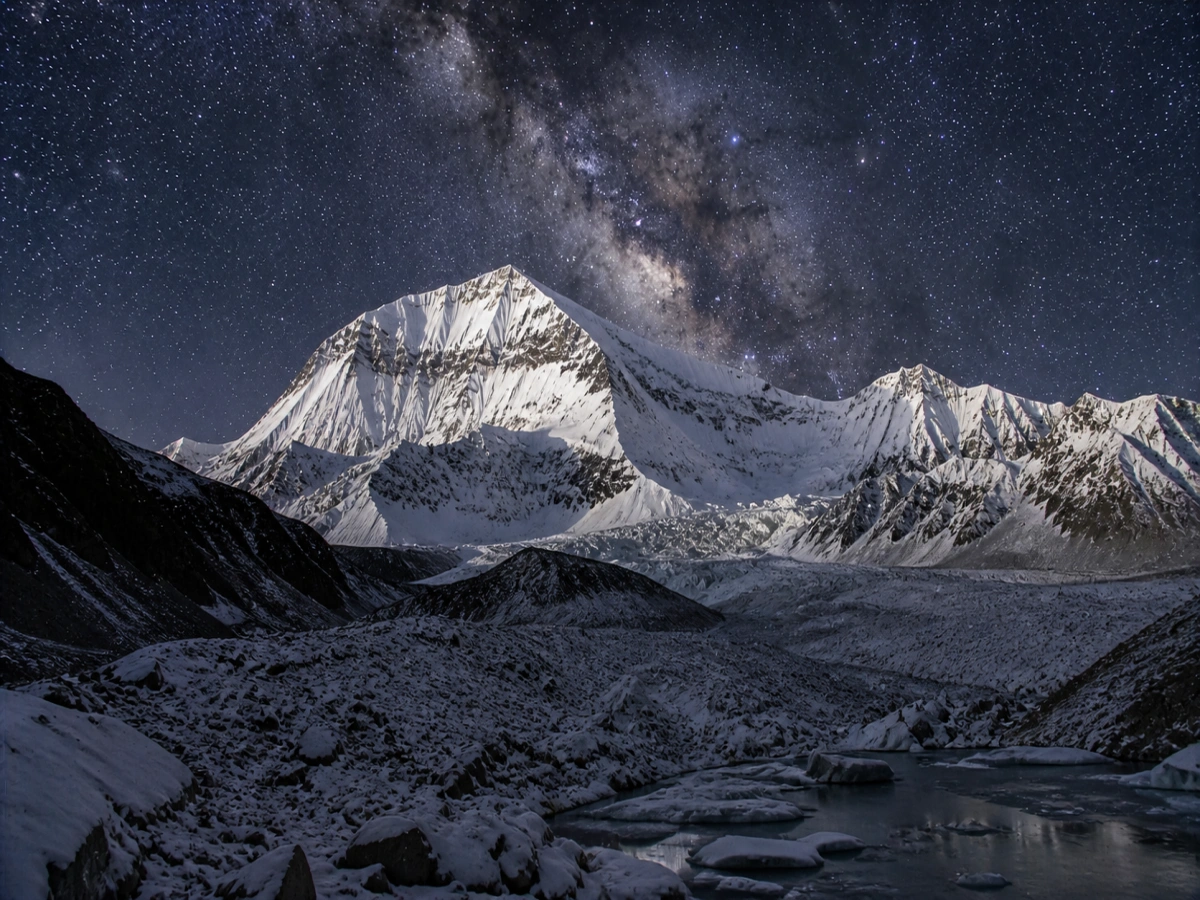
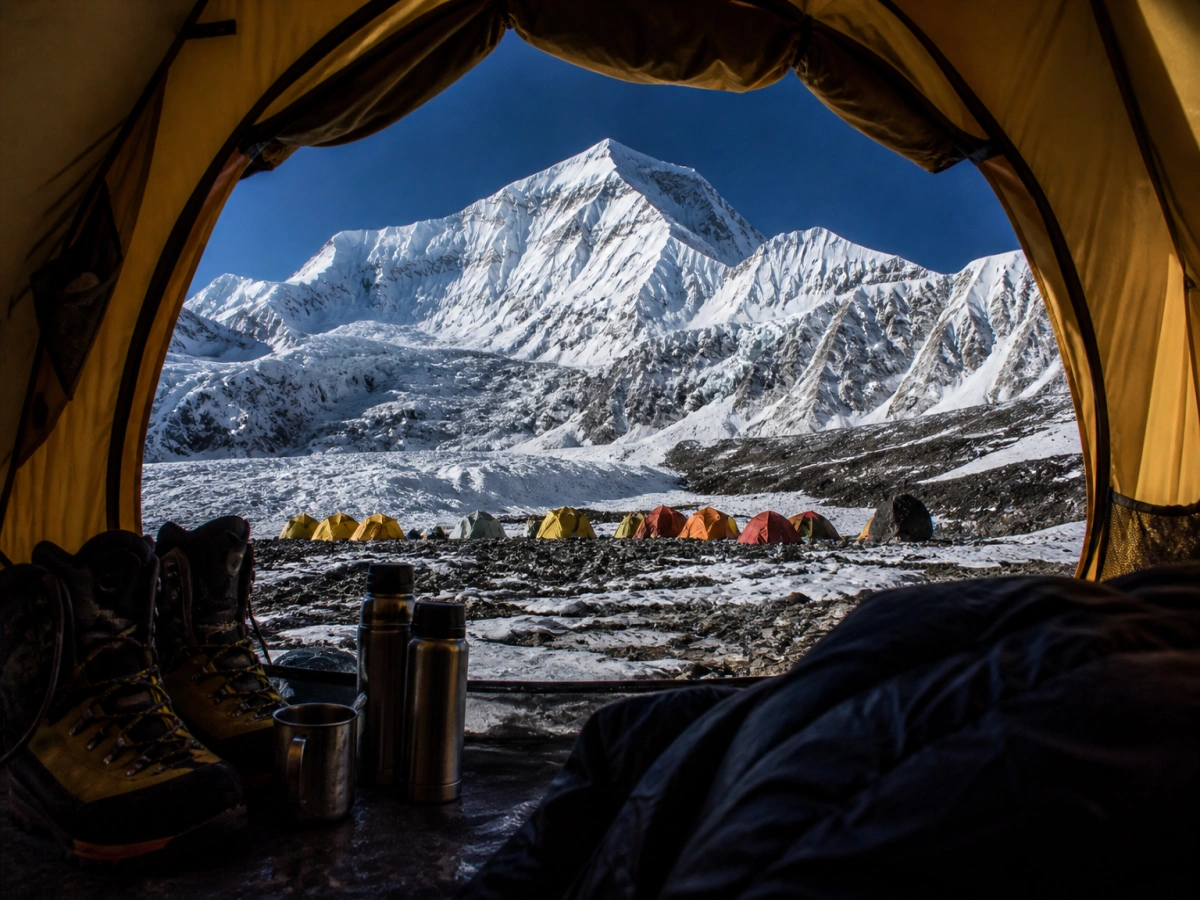
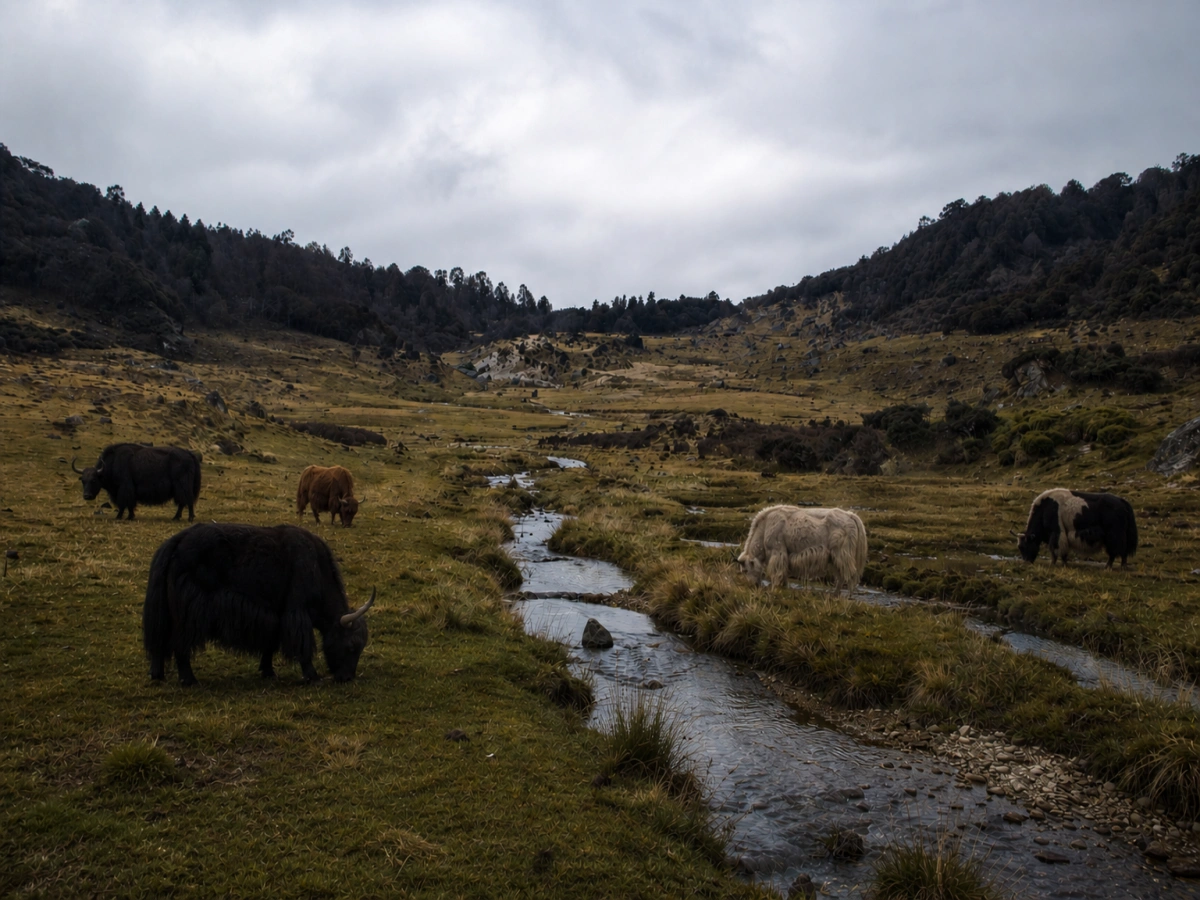
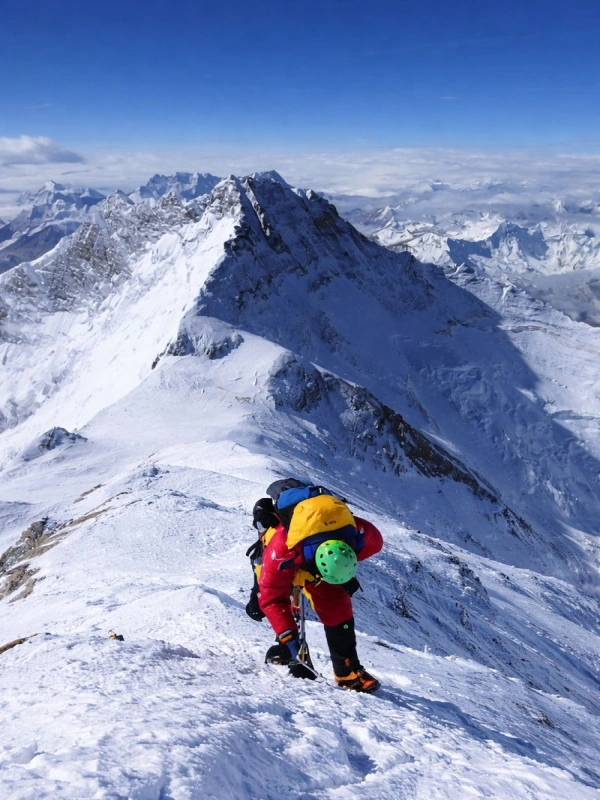
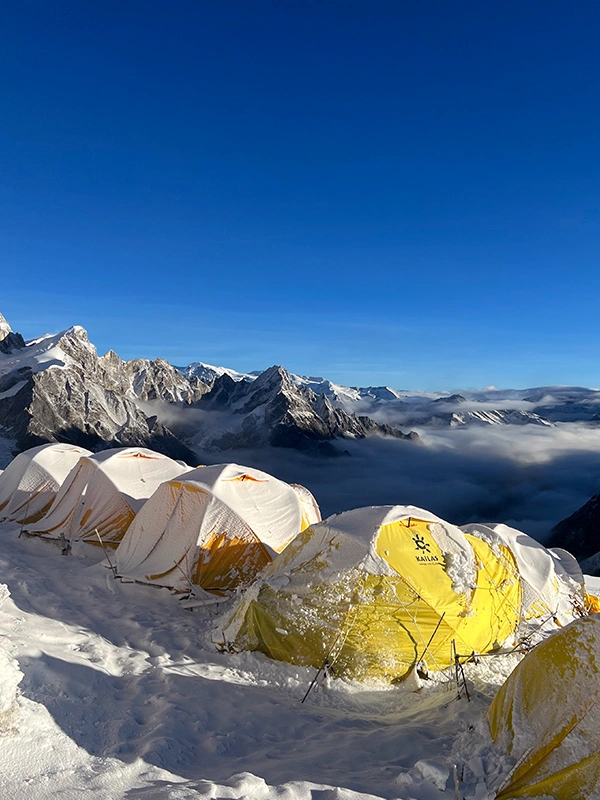
Rising dramatically above the Kali Gandaki Valley in western Nepal, Dhaulagiri I (8,167m) is the seventh highest mountain in the world and one of the most serious 8000-meter objectives in the Himalaya. The mountain is renowned for its steep snow slopes, exposed ridgelines, objective avalanche hazards, and complex glacier systems. Unlike commercialized 8000ers, Dhaulagiri remains a technically demanding expedition peak requiring strong alpine experience, advanced rope skills, and high-altitude endurance.
The standard Northeast Ridge route involves progressive acclimatization through multiple high camps, extensive fixed-line sections, and a physically demanding summit push above 7,500 meters. Climbers must be proficient in crampon techniques on hard blue ice, self-arrest skills, crevasse rescue systems, and oxygen management strategies if supplemental oxygen is used. This expedition is designed for seasoned mountaineers seeking a true Himalayan challenge with structured logistics, professional climbing guide support, and a fully equipped Base Camp.
Trip Highlights
-
Summit the world’s 7th highest mountain at 8,167m
-
Technical 8000-meter expedition with real alpine exposure
-
Structured acclimatization rotations to Camp I–III
-
Professional high-altitude climbing guide support (1:1 ratio)
-
Fully serviced Base Camp with medical and communication setup
-
Fixed rope protection on key technical sections
-
Panoramic views of the Dhaulagiri and Annapurna ranges
-
Remote and less crowded 8000m experience
-
Professional weather forecasting from Meteotest
-
Official summit certificate issued by the Nepal Mountaineering Association
The Challenge of Climbing Dhaulagiri
Dhaulagiri is widely regarded as one of the more technically demanding 8000m peaks. The climb involves steep snow slopes exceeding 45 degrees, exposed traverses, crevasse fields, and avalanche-prone zones. Above Camp II, the route steepens and requires sustained fixed-rope ascents with mechanical ascenders. The summit ridge is long, exposed, and physically exhausting due to extreme altitude and unpredictable wind conditions. Climbers must demonstrate previous experience on 7000m peaks or other 8000m mountains.
Acclimatization Strategy & Rotation System
A carefully structured rotation system is fundamental for summit success. The expedition follows a “climb high, sleep low” methodology, allowing gradual physiological adaptation to hypoxia. Multiple rotations between Base Camp (4,750m) and Camp I (5,900m), Camp II (6,400m), and Camp III (7,200m) are conducted before the summit window. This phased exposure reduces the risk of Acute Mountain Sickness (AMS), High Altitude Pulmonary Edema (HAPE), and High Altitude Cerebral Edema (HACE).
Technical Route Profile
The Northeast Ridge route includes glacier travel, fixed rope climbing, high camp establishment, and a final summit push from Camp IV (approx. 7,600–7,800m). Key hazards include serac fall exposure, avalanche slopes, and high winds near the summit ridge. Rope-fixing is conducted cooperatively by professional climbing teams to ensure route security.
Exposure & Technical Difficulty
Dhaulagiri is not considered a beginner-friendly 8000m peak. The mountain presents sustained exposure to objective hazards, including:
-
Avalanche-prone snow slopes
-
Crevasse fields and hidden glacier fractures
-
Technical ice sections
-
High wind exposure above 7,000m
-
Severe cold with temperatures dropping below –30°C
The climb demands strong cardiovascular conditioning, previous high-altitude experience, efficient rope handling, and mental resilience. Above Camp III, the oxygen level drops to roughly one-third of sea level, significantly reducing physical output capacity.