43
Days

Annapurna I Expedition

8 Reviews in TripAdvisor
6 Reviews in Google Reviews
Wishlist

Annapurna I expedition is a technically demanding 43-day expedition over the world’s 10th-highest peak. Climbers attempt the 8,091-meter peak following a highly meticulous structure multi-week itinerary that aims at proper strategic acclimatization and rotation schedules between Base Camp (4,190 meters), Camp I (5,050 meters), and Camp II (5,700 meters). Considering the difficulty and seriousness, this expedition is an elite package designed for seasoned high-altitude mountaineers. GMT Adventures provides a highly experienced 1:1 Sherpa team as you take on the harsh high-altitude challenges, aiming for a successful ascent of this majestic giant.

Trip Facts
Duration
43 Days
Trip Grade
Technically Challenging
Country
Nepal
Maximum Altitude
Extremely Technical / High-Risk 8000m
Group Size
Flexible (Small team focus for safety)
Starts
Kathmandu
Ends
Kathmandu
Best Time
Spring (April - May)

The Annapurna I Expedition is the journey to the 8,091-meter summit of the world’s 10th-highest peak. This is a challenging endeavor, renowned globally as one of the most serious and technically demanding climbs.

Considering the superior difficulty, GMT Adventure offers a fully supported and meticulously prepared 43-day itinerary that focuses on the safety of climbers through the strategic ascent of this formidable giant. Suitable for highly experienced alpinists, the climb involves a 24-day acclimatization schedule and essential camp rotations between Base Camp, Camp I, and Camp II to ensure you are both physically and mentally prepared to compete against the extreme high-altitude conditions of the Himalayas.

As a part of our commitment to the safety of the climbers, we provide a dedicated 1:1 ratio of licensed High Altitude Climbing Sherpas who ensure all-around support and provide expert navigation. Furthermore, we manage all necessary arrangements, including complex logistics, helicopter transfers to Annapurna Base Camp, professional communication, and the most reliable Swiss weather forecasts to ensure a seamless climb. We also carry medical emergency supplies, including critical oxygen backup systems.

Etch your name in mountaineering history alongside iconic climbers. Join the 43-day Annapurna I expedition in Nepal with GMT Adventures. Contact our travel experts to secure your spot today!

Major Highlights of the 43-Day Annapurna I Expedition

  • Summiting Annapurna I (8,091m), the world's 10th highest and one of the most challenging 8,000-meter peaks
  • Extensive, professionally guided acclimatization and rotation schedule between Base Camp and Camp II
  • Dedicated 1:1 High Altitude Climbing Sherpa support for the entire climb
  • Helicopter transfers between Dana Village and Annapurna Base Camp (ABC)
  • Fully provisioned, well-managed Base Camp (4,190m) with heater, electric power, and quality catering
  • Access to advanced weather forecasting f
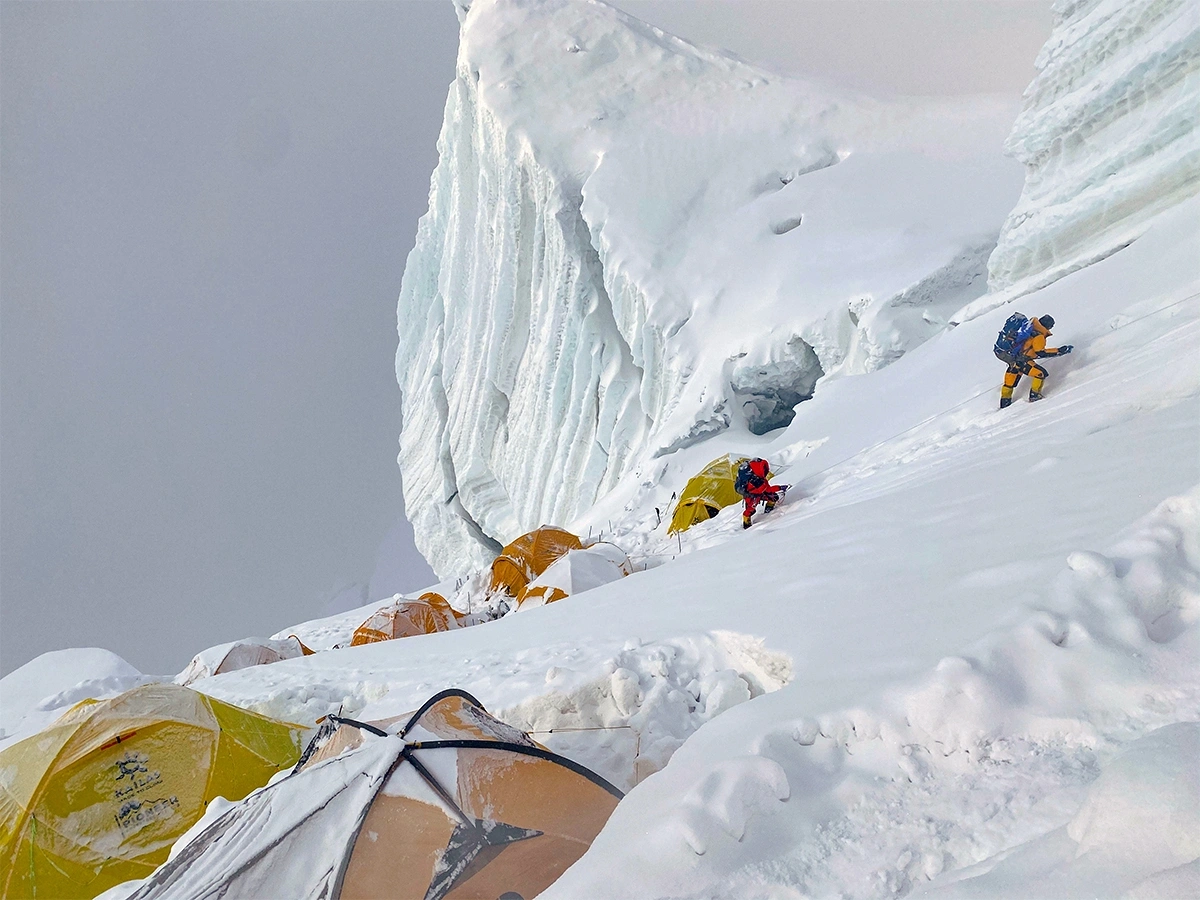
  • Experience of climbing through four high-altitude camps (C1: 5,050m, C2: 5,700m, C3: 6,500m, C4: 7,400m)
  • Obtaining the official Mt. Annapurna I climbing certificate issued by the NMA

Why Go on the Annapurna I Expedition in 2026/2027?

The Annapurna I Expedition (8,091 m) in 2026/2027 offers experienced mountaineers the chance to take on one of the Himalaya’s most challenging and prestigious 8,000-meter peaks. Known for its technical terrain, steep snow and ice sections, and serious objective risks, Annapurna I is a true test of elite high-altitude skill and decision-making. With improved expedition logistics, refined safety protocols, and optimal climbing windows in spring and autumn, the 2026/2027 seasons provide a strong opportunity to attempt this iconic summit. Successfully climbing Annapurna I places you among a select group of climbers and represents a major milestone in any serious mountaineering career.

A Typical Day During the Annapurna I Expedition

The Annapurna I climb is divided into three phases. Each phase has its unique significance that contributes to a successful expedition.

Preparation Phase (Days 1 to 5): The preparation phase involves thorough checking of your gear, equipment, and permits, attending expedition briefings, and meeting your team. From Kathmandu, you will travel to the scenic city of Pokhara before boarding the morning helicopter transfer to the Annapurna Base Camp (ABC). Upon reaching the ABC, you will participate in establishing your tents and detailed safety orientation, and prepare for the rotational climbs.

Training and Rotation Phase (Days 6 to 29): The training and rotation phase is conducted in a span of several weeks. During this phase, you will follow the crucial principle of “climb high, sleep low” to allow your body to acclimatize to the harsh high altitude conditions.

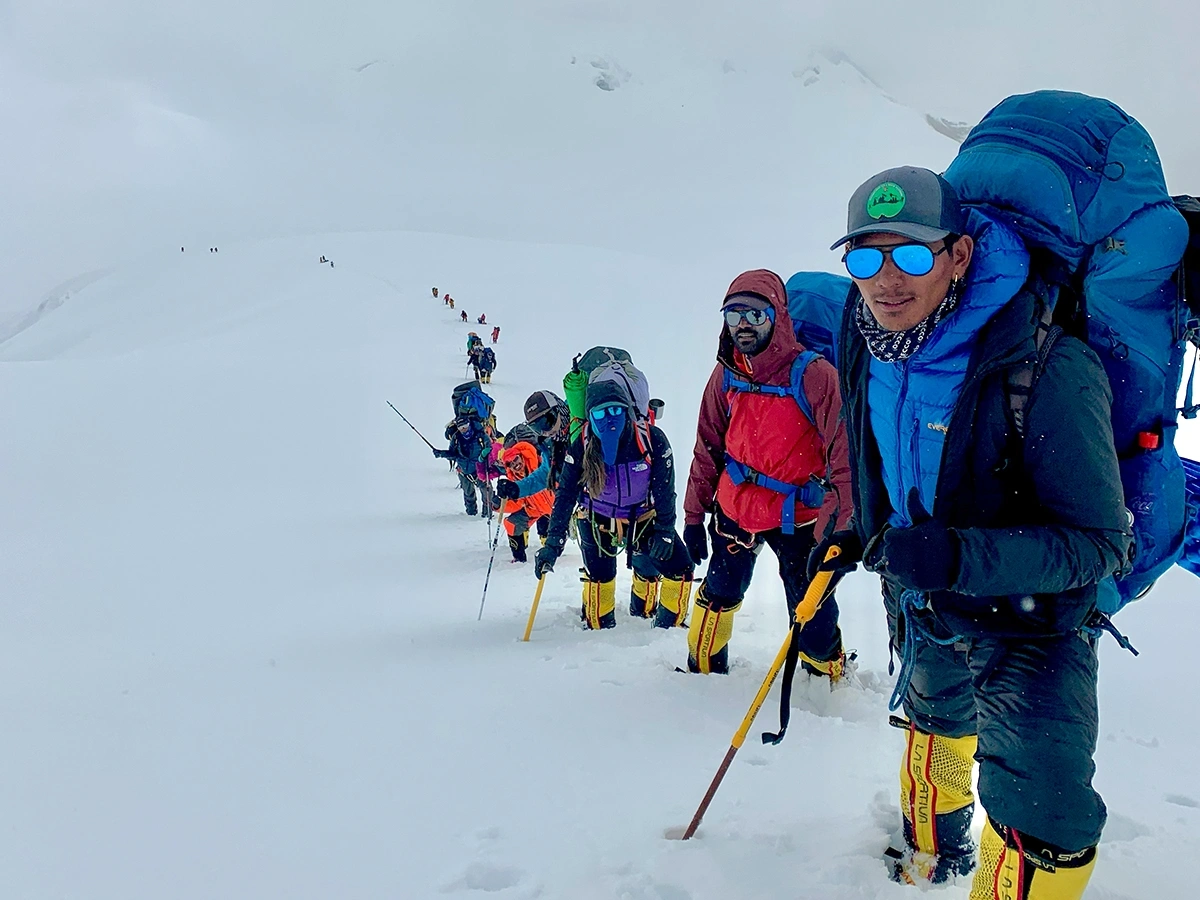
Your days typically begin with a climb from the Annapurna Base Camp to Camp I or Camp II. This is done to aid in acclimatization, making you familiar with the high altitude conditions, focusing on ropework and fixed-line practices before returning to the base camp. The routine lasts 6 to 10 hours.

Summit Push Phase (Days 30-37): The summit push is the most crucial and physically demanding phase of the expedition. You will navigate your way through Camp II, Camp III, and Camp IV, preparing for the final summit push, analyzing the most favorable weather window.

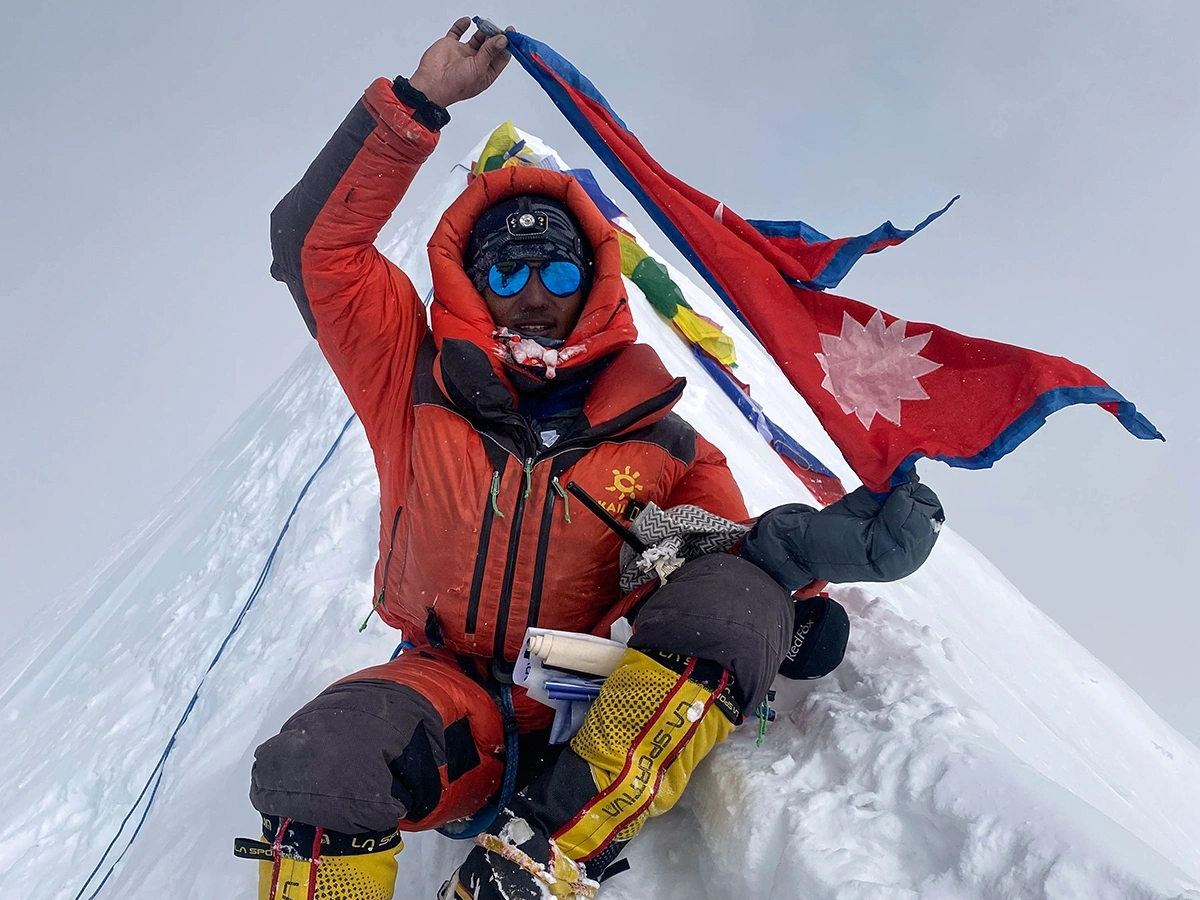
The summit day typically begins before dawn. You will give your best to conquer Annapurna I, followed by an immediate and careful descent back to Camp IV and gradually to lower camps. Upon reaching Base Camp, you will attend an immediate medical check, debriefing, and recovery.

Cost of Annapurna I Expedition: Permits, Guide, and Logistics

The Annapurna I expedition is a major investment that safely takes you to the summit of the world’s 10th-highest peak, Annapurna I. With GMT Adventures, you will find an all-inclusive package that manages all logistical arrangements from landing in Kathmandu, transfer to the Annapurna Base Camp, during the acclimatization and summit phase, to your final departure. To ensure a hassle-free experience, we include accommodation, all ground and heli-transport, full-board meals in the Himalayas, necessary permits, and all logistical arrangements.

We focus on transparency and provide all-inclusive costs that include all on-mountain services. However, the cost of Annapuran I can change depending on the personal interests and preferences of climbers.

Customized Annapurna I Expedition

GMT Adventures meticulously prepares the 43-Day Annapurna I expedition itinerary to ensure proper acclimatization and safety. However, we recognize every climber has unique preferences. To address your needs and interests, we offer customization options for individual climbers and private teams. With our Annapurna I expedition customization option, you can upgrade your stays in Kathmandu, arrange private internet services at Annapurna Base Camp, or extend recovery days.

Discuss your preferences with our travel expert, and we will create a fully-tailored Annapurna I expedition that best suits your interests.

Short Itinerary and Map

Annapurna I Expedition Detailed Itinerary

Day 1

Arrival in Kathmandu

Day 2

Preparation in Kathmandu

Today is a crucial day as you will spend your time finalizing all critical details for a safe and memorable Annapurna I expedition. Your expert guides will help conduct a thorough final permit check and inspect all personal and team gear. You will also receive a comprehensive briefing that explains the climbing routes, safety protocols, and your strategy for this high-altitude Himalayan ascent.

Day 3

Travel to Pokhara (Drive/Flight)

From Kathmandu, you will head toward the Annapuran region. Depending on your interest, you will either take a scenic drive through the winding highway or a domestic flight to the serene Lake City of Pokhara. Upon arrival, you will check into your comfortable 3-star hotel and prepare for your expedition by ensuring all gear and all final provisions are in order.

Day 4

Drive to Dana Village

Today’s journey takes you to Dana from Pokhara and includes a long but spectacular drive into the Kali Gandaki Gorge. Dana is your final stop before your heli-transfer to Annapurna Base Camp. Additionally, this lower elevation stop prepares you for your ascent by aiding in acclimatization. You will find an overnight accommodation in a local lodge, where you will receive your critical safety briefing that focuses on following the strict protocols.

Day 5

Helicopter to Annapurna Base Camp (Camping)

For a swift and efficient transfer, you arrange an early morning helicopter transfer from Dana. Traversing the aerial route of the Annapurna Sanctuary, you will reach the Annapurna Base Camp. Immediately after landing, you will work on establishing your camp that sets you up for the rigorous high-altitude training rotations.

Day 6-29

Training and Rotation (Camp I – 5,050 meters to Camp II – 5,700 meters, Return to Base Camp – 4,190 meters)

This is a vital 24-day period that is dedicated to strategically acclimatizing you to the high-altitude conditions of Annapurna I. During this period, you will also be provided with essential technical training. Multiple rotation climbs are planned and executed between Camp I and Camp II, which allows you to practice the essential “climb high, sleep low” strategy for the best adaptation.

Our expert guides also train you on crucial ropework, fixed-line practice, and survival skills in the high-altitude zones. After reaching the higher elevations of Camp I and Camp II, you will return to the comfortable camps in Base Camp for rest and recovery.

Day 30-37

Summit Push and Return to Base Camp (Camp II: 5,700 meters to Camp III: 6,500 meters to Camp IV:7,400 m to Annapurna I Summit)

After the training and rotation phase, you will prepare for the ultimate summit push. Your team will gradually gain altitude and progress through the higher camps. Use of fixed ropes and technical skills is crucial during this phase.

Your expedition is guided by expert weather analysis. Depending on the most suitable window, your team will take on the challenging pre-dawn climb with your expert guide to the summit of the 8,091-meter Annapurna I. Upon conquering this challenging peak, you can spend some time soaking in this immense feeling of accomplishment before safely descending to a lower elevation.

Upon reaching the Annapurna Base Camp, our team of medical experts will immediately perform a thorough medical assessment. You will also participate in the essential debriefing, alongside your entire team, and the necessary recovery.

Day 38

Rest Day at Base Camp

After the climax of your expedition, you will spend a day in the Base Camp dedicated entirely to rest and recovery. Here, you can experience the tranquility amid a more comfortable environment. Today’s activities include a full team debriefing and reviewing the challenges and successes of the demanding journey to the Annapurna I summit.

Day 39

Helicopter Transfer to Dana

You will depart the Annapurna Base Camp in style via a private helicopter transfer. This early-morning flight takes you back along a similar aerial path to Dana village. Heli-transfers are swift and give you additional time for rest and recovery in a significantly warmer environment.

Day 40

Drive to Pokhara

From Dana, you will take a scenic drive back to the Lake City of Pokhara, into the familiar comforts of your 3-star hotel. In Pokhara, you have the rest of the afternoon to yourself. This is the best time to reflect on your journey by the serene Fewa Lake. In the evening, you will join a celebratory dinner hosted by GMT Adventures. Take this opportunity to share stories of your incredible journey and express your gratitude to your expert guides and Sherpas for their unwavering support throughout the challenging expedition.

Day 41

Fly to Kathmandu

Today, you will return to the bustling Kathmandu, concluding your high-altitude Himalayan journey. Upon reaching your destination, you will head to your luxurious 4-star hotel for a much-deserved rest. For better recovery, you can also head out for a holistic spa experience.

Day 42

Rest and Celebration Dinner (Buffer Day)

This is a crucial buffer day. The buffer day is to address any potential travel delays, especially as a result of unpredictable Himalayan weather. If you reach Kathmandu per the schedule, you have the day to explore the cultural centers, engage in souvenir shopping, or simply rest in your comfortable hotel.

In the evening, you will meet your team and GMT Adventures representatives for a grand dinner to celebrate your amazing achievement and the successful completion of the Annapurna I Expedition in Nepal.

Day 43

Final Departure

Today is the final day of your incredible Annapurna I Expedition in Nepal. The day begins at your 4-star hotel with a hearty breakfast. Depending on your flight schedule, you can prepare to leave for the airport or engage in last-minute souvenir shopping.

GMT Adventures representatives will ensure a timely and comfortable transfer to the Tribhuvan International Airport in a private vehicle.

Are you still confuse from where to start? GMT Adventures has solutions.

Cost Details

Included

  • Arrival and Departure: Airport–Hotel–Airport transfers by private vehicle
  • Hotel Accommodation in Kathmandu: 4 nights hotel stay with B&B plan
  • Welcome/Farewell Dinner: One dinner at a tourist-standard restaurant with office staff
  • Cargo Clearance: Assistance with Nepal Customs (charges may apply)
  • Hotel in Pokhara: 2 nights stay with B&B plan
  • Permits: Expedition Royalty and climbing permits, Conservation Area entry fees
  • Liaison Officer: 1 government officer with full equipment, salary, and accommodation
  • Garbage Management: Stool shipment transfer and garbage deposit fees
  • Insurance: Medical and emergency rescue insurance for Nepalese staff
  • Map: Trekking and climbing map
  • Duffle Bag: 1 GMT Adventure duffle bag
  • Member Transportation: Domestic flights and jeep transfers (Kathmandu–Pokhara–Dana), helicopter flights Dana–ABC–Dana
  • Expedition Equipment Transportation: From Kathmandu to Dana (truck), Dana to Base Camp (heli/mules/porters), return same
  • Member Luggage: Up to 60 kg per member carried by porters/mules
  • Food and Lodging: 3 meals/day at hotels, lodges, and Base Camp; fresh vegetables, meat, fruits, soft drinks, and juices; well-managed Base Camp
  • Porter: One porter per member for expedition
  • Base Camp Staff: Experienced cook and kitchen helpers
  • Staff Salary and Allowance: All Nepalese staff wages, food and equipment
  • Base Camp Tent and Equipment: Individual box tent, dining tent, kitchen tent, communication tent, toilet and shower tents, tables, chairs, cooking gear
  • Heater: In dining and necessary Base Camp areas
  • Solar/Generator/Light: Solar panel and generator for lights and charging devices
  • Training: Oxygen, mask, regulator, ice wall, and ladder training at Base Camp
  • High Altitude Climbing Guide: 1 licensed guide per member for the entire climb and rotations
  • Assistance: Climbing guide assists in carrying gear to high camps
  • Climbing Guide Salary and Allowance: Salary, equipment, food, and clothing
  • Oxygen Bottle: 3 bottles (each 4 liters) per member; 1 per high-altitude guide
  • Oxygen Mask and Regulator: 1 set per member and climbing guide (return after expedition)
  • Back-up Oxygen: Cylinder, mask, and regulator (extra charge applies for use)
  • High Camp Services: Tent, cooking fuel, food for member/climbing guide/crew at Camp I, Camp II, Camp III, Camp IV; climbing gear, fixed and dynamic ropes
  • High Altitude Tent: Shared by 2 members per tent
  • Rope Fixing Team: Climbing team fixes the route at Annapurna I (no extra charge)
  • Satellite Phone and Walkie-Talkie: Emergency communication; available to members at an extra charge
  • Weather Forecast: Meteotest, Bern (Switzerland)
  • Medical Kit: Comprehensive kit for members and staff
  • Certificate: Mt. Annapurna climbing certificate issued by MOCTCA (after succesful climb)

Excluded

  • Airfare: International flights to/from Kathmandu
  • Nepal Entry Visa Fee: USD 125 for 90 days
  • Lunch and Dinner in Kathmandu: Additional meals not included in the welcome dinner
  • Extra Nights in Kathmandu and Pokhara: Additional accommodation due to early arrival, late departure, or itinerary changes
  • Insurance Policy: Personal medical and high-altitude evacuation insurance (mandatory)
  • Personal Expenses: Calls, internet, toiletries, battery charges, laundry, soft drinks, alcohol, etc
  • Personal Climbing Equipment: Clothing, personal gear, medical kit, packing items
  • Toiletries: Soaps, shampoos, toothpaste, toilet paper, etc
  • Filming: Special filming, camera, and drone permits
  • Internet Service: Not included during trek
  • Summit Bonus: Minimum USD 2000 per climbing Sherpa
  • Tips: Minimum USD 200 for porer and 300 for Base Camp staff
  • Extra: Any other services or activities not mentioned in the itinerary or Cost Includes

Equipment Lists

Annapurna I Expedition: Gear and Equipment Checklist

Proper gear and equipment are crucial for a safe and successful Annapurna I expedition. Our expeditions include the most modern climbing gear and equipment that is engineered to withstand the unforgiving conditions of this mighty Himalayan peak.

Here is a list of comprehensive gear and equipment for the Annapurna I expedition.

Head
+
  • Sun cap
  • Desert cap
  • Balaclava
  • Fleece or warm hat (1–2 pcs)
  • Neck gaiter or buff mask (2–3 pcs)
Upper Body
+
  • Thermal base layer tops (2–3 pcs)
  • Fleece jackets (1–2 pcs)
  • Gore-Tex jacket (1 pcs)
  • Wind-proof jacket(s) (1–2 pcs)
  • Down jacket(s) (1–2 pcs)
  • Quick-dry T-shirts (3–5 pcs, full-sleeve recommended)
Hands
+
  • Thin Fleece gloves (2 pairs)
  • Wind stopper/screen tap gloves (2 pairs)
  • Heavy guide gloves
  • Summit mittens – 8000 m
Lower Body
+
  • Thermal base layer bottoms (2–3 pcs)
  • Fleece trousers (1–2 pcs)
  • Gore-Tex pants (1 pcs)
  • Mid-weight trekking pants (1–2 pcs)
  • Lightweight quick-dry trekking pants (2–3 pairs)
  • Gaiters for trekking boots
  • Down pants (1 pcs)
  • Underwear (4–6 pcs)
Foot Wear
+
  • Summit boots – 8000 m (Pelliot, La Sportiva, Millet)
  • Climbing boots – 6000 m (same brand options)
  • Summit socks – 8000 m (2 pairs)
  • Regular trekking socks (5–8 pairs)
  • Gore-Tex trekking shoes
  • Camp booties (1 pair)
  • Slippers (1 pair)
Travel Documents
+
  • Valid passport (with a minimum of 6 months' validity)
  • Credit/debit card
  • Passport-size photo (2 copies)
  • Insurance paper and contact address
  • Addresses of the family members and/or the company contact
Sun Stuffs
+
  • Sun cream up to SPF 50
  • Lip guard SPF 30 to 50
  • UV-protected sunglasses
  • Lotion or moisturizer
Toiletries
+
  • Toilet paper and/or wet wipes
  • Toothpaste and toothbrush
  • Soap and shampoo
  • Towel and garbage bag
Eating & Drinking
+
  • 1-liter water bottle (Nalgene, BPA/BPS-free)
  • 1 to 1.5-liter thermos
  • Spoon, fork, bowl, mug (optional)
Bag Packs
+
  • Rucksack (35 L–50 L)
  • Duffel bag (120 L–150 L, 2 pcs)
  • Waterproof stuff sacks or dry bags (small/medium/large, 3–4 pcs)
Climbing Equipments
+
  • Summit down suit – 8000 m (brands like Pelliot, Marmot, Mountain Hardware, North Face, Millet)
  • Climbing helmet
  • Crampons (ideally fitting your boots) + packing cover
  • Ice axe with spike and protector
  • Harness
  • Belay device / Figure-8 / ATC Guide
  • Jumar/ascender
  • Locking carabiners (3 pcs)
  • Non-locking carabiners (3 pcs)
  • Tape slings (240 cm or dynamic rope 6 mm, 300 cm)
  • Summit-purpose snow goggles (anti-fog, polarized, UV protection)
  • Glacier glasses (anti-fog, polarized, UV protection)
  • Headlamp (500-700 lumens) + spare batteries (e.g. Energizer Ultimate Lithium)
  • Walking stick/trekking pole
  • Pocket knife (Swiss)
  • Personal pee bottle
Miscellaneous
+
  • Nail cutter
  • Umbrella or rain poncho
  • Hot water bag
  • Tenacious tape repair kits
  • Hand and toe warmers
  • Travel charger, earbuds
  • Powerbank, camera
  • Altimeter watch
  • Satellite phone with credit
  • GPS tracker
  • Sleeping Bags and Bedding
  • Down sleeping bag (-40 degrees Celsius, extreme comfort)
  • Sleeping bag (-20 to -30 degrees Celsius for base camp)
  • Thermarest closed-cell foam mattress
  • Down inflatable mattress
  • Sleeping bag linger
  • Inflatable pillow

Essential Information

When is the Best Time for the Annapurna I Expedition 2026/2027?

Spring (April to May) and Autumn (September to October) are the most ideal times for the Annapurna I Expedition as they provide the optimal climbing windows. Between these two seasons, spring is considered to be generally more favorable for climbing 8,000-meter peaks as the gradual rise in temperatures and stable conditions make the ascent more comfortable.

Autumn, on the other hand, is characterized by crisp visibility and excellent views. However, the temperatures begin to drop significantly, and snow accumulation after the monsoon months can make the expedition more difficult compared to spring.

Nepal Annapurna I Expedition: Difficulty and Safety

The Annapurna I Expedition is an extremely difficult and high-risk journey that demands a high level of technical proficiency, excellent physical fitness, and a strong mindset. Climbers navigate the challenging sections along the steep sections and glacial features. Safety and precautions are paramount on this high-altitude Himalayan peak. GMT Adventure prioritizes the safety of climbers and ensures

  • Climbers should have mandatory Himalayan mountaineering experience. We only accept proficient climbers with prior experience.
  • GMT Adventure ensures a dedicated Sherpa and a highly experienced Sherpa at a 1:1 ratio for the utmost safety and support.
  • Acclimatization and a multi-week rotation schedule are non-negotiable.
  • We assign a dedicated Sherpa team to establish fixed ropes on technical and exposed sections.
  • Our packages meet all safety and emergency protocols. We not only carry additional medical oxygen and comprehensive medical kits, but also include trained guides who can perform high-altitude emergency procedures.

Annapurna I Expedition Insurance Policy

The Annapurna I Expedition in Nepal requires careful and thorough planning. This includes the purchase of comprehensive insurance. Climbers need to have both rescue insurance, which covers helicopter rescue and air evacuation, and health insurance before arriving in Nepal, as they can help reduce their financial burden in case of accidents or injuries during their expedition.

Ensure your insurance covers:

High-Altitude Helicopter Rescue: Your insurance must cover emergency air evacuation directly from Annapurna Base Camp (4,190m) or higher camps (ideally).

Medical and Repatriation Expenses: This covers medical treatments, hospitalization, and the cost of being flown back to your home country.

Altitude Coverage: The policy must clearly state that it covers Mountaineering/Climbing activities up to 8,100 meters.

Note: GMT Adventures requires all members to provide proof of their comprehensive, all-inclusive insurance policy details, including the unique policy number and emergency contact, before final departure to Nepal.

Why Choose GMT Adventures for the Annapurna I Expedition?

GMT Adventures is a proven and trusted name in the field of high-altitude mountaineering. We offer expertise and are committed to the safety and well-being of the climbers during their successful summit ascent. Here are the top reasons to choose GMT Adventures for your Annapurna I Expedition:

Certified Professional Guides: Our expeditions are led by experienced and professional guides. All guides are internationally certified and have completed the summits of several 8000+ meter peaks, including Annapurna I, Everest, and K2.

Strategic Itinerary Focusing on Safety: The 43-day itinerary is designed with the strategic 24-day acclimatization and rotation camps, allowing you to familiarize yourself with the high-altitude terrains for a safe and successful Annapurna I summit.

World-Class Annapurna Base Camp Logistics: The camp at Annapurna Base Camp is designed for recovery and rest. We provide individual sleeping tents, dedicated base camp staff, electricity (solar/generator), heating, and high-quality meals.

Advanced Weather Support: Our decision regarding the summit windows and high-camp movements is made utilizing professional forecasting from Metotest, Bern (Switzerland).

GMT Adventures’ Annapurna I Expedition with Mr. Gesman Tamang

Conquer the world’s 10th-highest peak, the Annapurna I, and etch your name into history books. Our Annapurna Expedition offers you the chance to stand on one of the highest peaks in the world with expert guidance from Mr. Gesman Tamang.

Gesman is a certified mountaineer from the National Nepal Mountain Guide Association (NNMGA) and the International Federation of Mountain Guides Associations (IFMGA). You may have seen Gesman featured in the film “14 Peaks.” He has successfully summited several 8000-meter peaks, including Mount Everest, five times.

Gesman is originally from Chimding, a small village in Solukhumbu. He grew up in the shadow of the Himalayas and started his career in the mountains. In addition to Mount Everest, Gesman has climbed to the top of several mountains above 8,000 meters: K2, Kanchenjunga, Cho Oyu, Sisapangma, Manaslu, and Annapurna. His Annapurna ascent was done without oxygen.

With Gesman’s leadership and our Nepali climbing team of Sherpa guides, you have an amazing opportunity to safely and successfully summit this technical and one of the most demanding peaks!

Annapurna I Expedition FAQs

Yes, the Annapurna I Expedition is strictly reserved for highly experienced mountaineers. You must present your records of summiting other high-altitude peaks (ideally 7,000 meters or more) and demonstrate advanced technical skills.

We encourage climbers to conquer Annapurna I without the use of supplemental oxygen. However, for emergency purposes, your Sherpa carries a supply of 3 bottles (4 liters), which can be used in case of medical necessities.

Acclimatization is a non-negotiable process and is managed during the 24-day rotational schedule. This involves multiple ascents and descents between Annapurna Base Camp, Camp I, and Camp II. The acclimatization process is based on the “climb high, sleep low” strategy to allow your body to cope with the high altitude conditions before descending to a safer elevation.

We offer a mandatory 1:1 Sherpa support for a safe and successful summit. This means each climber is assigned one highly experienced Altitude Climbing Sherpa during the entire duration of the rotation climbs and the final summit push.

Spring is the most favorable time for the Annapurna I Expedition as it offers climbers ideal conditions. The days are warmer, and the high-altitude conditions are more favorable.

Unlike the conventional trekking method, the Annapurna I Expedition gets you to the Annapurna Base Camp swiftly and more efficiently. You will take the aerial route from Dana, on a helicopter, to save your valuable time and energy.

Annapurna Base Camp food and lodging are professionally managed by our support staff. You will find an individual box tent and meals consisting of nutritious food (three times a day), including fresh vegetables, meat, and fruits.

Yes, summit bonuses and tips are mandatory and highly encouraged. This is a way to express your gratitude to your incredible support staff and guides. \

The cost includes the transportation of up to 60 kg of personal luggage, which is carried by porters or mules from the vehicle drop-off point to Annapurna Base Camp and vice versa.

A satellite phone is available for emergency communications at the base camp. However, expect to pay extra for the use of satellite-based communications. Alternatively, Internet services are also available in the base camp via a local SIM Card.

Need Help? Call Us+977 9823373306