32
Days

Himlung Expedition

12 Reviews in TripAdvisor
6 Reviews in Google Reviews
Wishlist

Experience a 32-day high-altitude adventure to Himlung Peak (7,126m), one of Nepal’s most spectacular climbing peaks. Trek through remote valleys, alpine meadows, and glaciers, immerse yourself in Sherpa culture at Phu Gaun, and complete summit rotations at Base Camp, Camp 1, and Camp 2. This expedition offers a perfect balance of mountaineering challenge, breathtaking Himalayan views, and cultural exploration, making it an unforgettable journey in the heart of the Himalayas.

Trip Facts
Duration
32 Days
Trip Grade
Technically Challenging
Country
Nepal
Maximum Altitude
7,126m (Summit)
Group Size
Flexible
Starts
Kathmamdu
Ends
Kathmandu
Best Time
Spring (March–May) & Autumn (September–November)

The Himlung Peak Expedition is a challenging yet rewarding journey through the remote regions of Nepal’s Manang and Phu valleys. Over 32 days, trekkers experience a combination of high-altitude trekking, technical climbing, and cultural exploration. Starting from Kathmandu, the expedition passes through picturesque villages, terraced farmlands, and rhododendron forests before reaching high-altitude base camps. The climb includes rotation days to acclimatize at Camp 1 (5,550m) and Camp 2 (6,150m), followed by a summit attempt at 7,126m. Along the way, trekkers witness panoramic views of the Annapurna, Manaslu, and Ganesh Himal ranges, traverse glaciers, and experience life at remote mountain villages. The expedition is guided by experienced mountaineers with full logistical and safety support, ensuring both challenge and security.

Trip Highlights

  • Summit Himlung Peak (7,126m), a high-altitude adventure with panoramic Himalayan views.

  • Trek through remote valleys, alpine forests, and glacial terrain in the Phu region.

  • Experience Base Camp rotations with acclimatization climbs to Camp 1 and Camp 2.

  • Explore Phu Gaun village and immerse yourself in Sherpa culture and local monasteries.

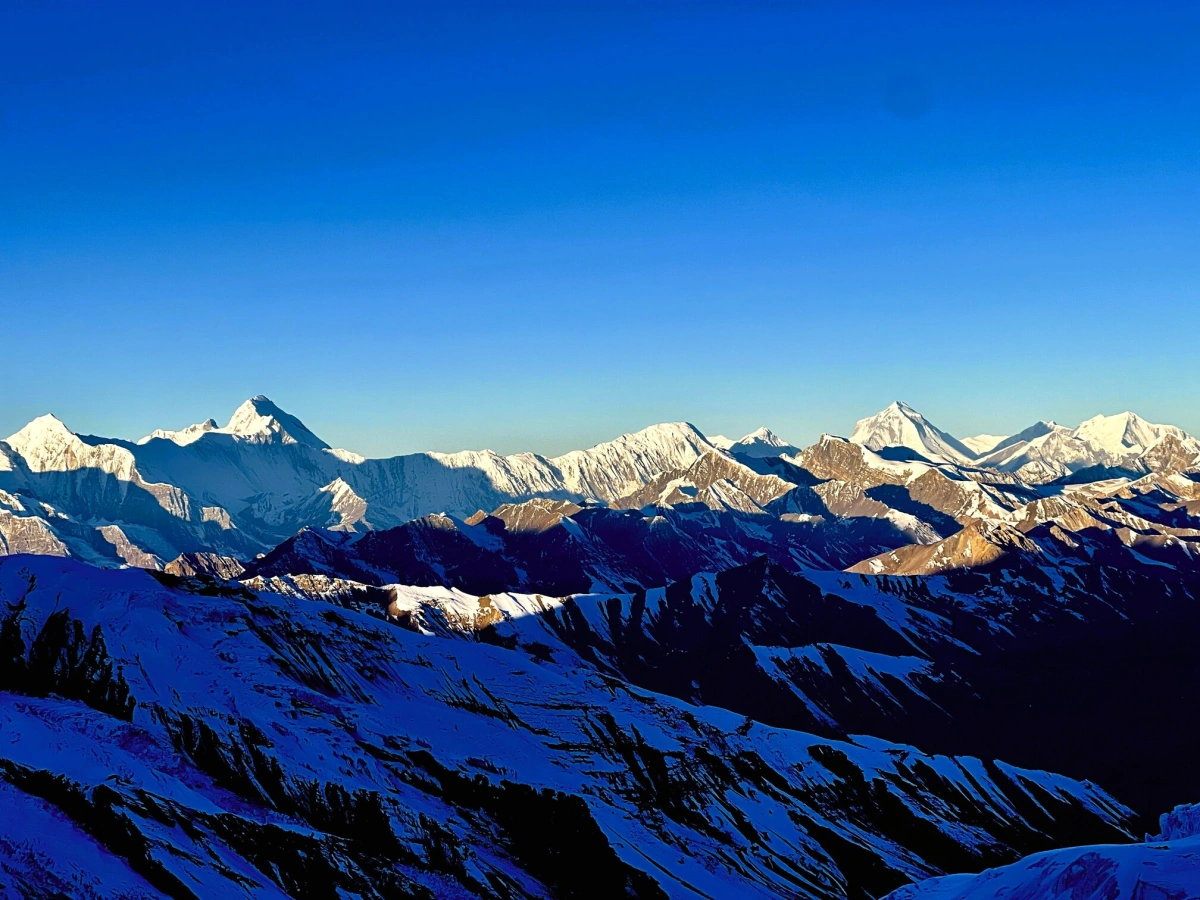
  • Witness breathtaking scenery of Annapurna, Manaslu, Ganesh Himal, and surrounding peaks.

  • Cross high-altitude glaciers and moraines, gaining mountaineering skills along the way.

  • Enjoy a well-structured expedition with expert guides, porters, and safety support.

History of Himlung Himalayan Ascents

Himlung Himal was first successfully climbed in 1993 by a Japanese expedition team. Since then, it has attracted international climbers looking for a technically moderate but physically demanding expedition. The mountain’s history is rich with stories of early exploration, local support from Sherpa communities, and the gradual evolution of climbing routes. Its relatively recent introduction to international mountaineering makes it an exciting peak for adventurers who want the thrill of a high-altitude climb without the extreme traffic of peaks like Everest or Manaslu.

Standard Climbing Routes on Himlung Himal

The expedition usually begins from the base camp, which lies at approximately 4,800 meters, reached via a trekking approach that offers breathtaking views of surrounding peaks, glaciers, and alpine landscapes. From the base camp, climbers establish a series of higher camps—Camp I, Camp II, and Camp III—along the mountain’s ridges and glacier systems. The standard route combines rock, ice, and snow climbing, with technical challenges such as crevasse navigation and steep snow slopes. The summit push typically requires careful acclimatization and early morning departures to ensure safe and optimal climbing conditions.

Adventure and Cultural Experience

Himlung Himal is not only a physical challenge but also an immersive adventure experience. The trek to base camp passes through untouched landscapes, traditional Tibetan and Sherpa villages, and high-altitude ecosystems. The journey introduces climbers to the culture, traditions, and hospitality of Himalayan communities. Wildlife enthusiasts may spot snow leopards, Himalayan blue sheep, or red pandas in the surrounding valleys. The combination of mountaineering, trekking, and cultural exploration makes the Himlung expedition a holistic Himalayan adventure.
Short Itinerary and Map

Himlung Expedition Detailed Itinerary

Day 1

Arrival in Kathmandu & Transfer to Hotel

Arrive at Tribhuvan International Airport and transfer to your hotel. The evening is dedicated to rest, initial briefing, and light preparation for the expedition. This day allows time to recover from international travel and adjust to the local environment.

Day 2

Rest Day in Kathmandu & Preparation for the Expedition

Full day to prepare for the expedition. Activities include final equipment checks, gear shopping if needed, and review of safety procedures and climbing techniques with your guide. Optional sightseeing in Kathmandu—such as Boudhanath Stupa or Swayambhunath (Monkey Temple)—can be arranged. This day ensures you are fully ready for the high-altitude journey ahead.

Day 3

Drive from Kathmandu to Besi Sahar

Drive through scenic hills and terraced farmland to Besi Sahar, the starting point of the trek. The journey passes rivers, small villages, and local markets, offering your first glimpse of rural Nepali life. Overnight at a comfortable lodge to rest before trekking begins.

Day 4

Drive from Besi Sahar to Koto

Drive deeper into the Manang region, passing rivers and small settlements. Koto provides the gateway to high-altitude trekking and acclimatization. Overnight at a lodge with stunning views of surrounding mountains.

Day 5

Trek from Koto to Meta

Begin trekking through pine and rhododendron forests, crossing streams and terraced farmland. Meta is a small settlement providing a scenic stop for rest and acclimatization. Views of high Himalayan peaks begin to unfold along the trail.

Day 6

Trek from Meta to Kyang

Trek gradually upward, enjoying panoramic mountain views, yak pastures, and traditional stone villages. Kyang is a quiet, high-altitude village offering basic but comfortable tea house accommodation.

Day 7

Trek from Kyang to Phu Gaun

Trek to the culturally rich Phu Gaun village, home to the indigenous Phu people. Explore monasteries, mani walls, and ancient structures while adjusting to the higher altitude. Overnight at the lodge in preparation for further ascent.

Day 8

Acclimatization at Phu Gaun

Spend a day acclimatizing with short hikes around Phu Gaun. Guides focus on altitude adaptation techniques, hydration, and nutrition. This day also provides time to explore the village and nearby landscapes, ensuring readiness for the approach to Base Camp.

Day 9

Trek from Phu Gaun to Himlung Base Camp

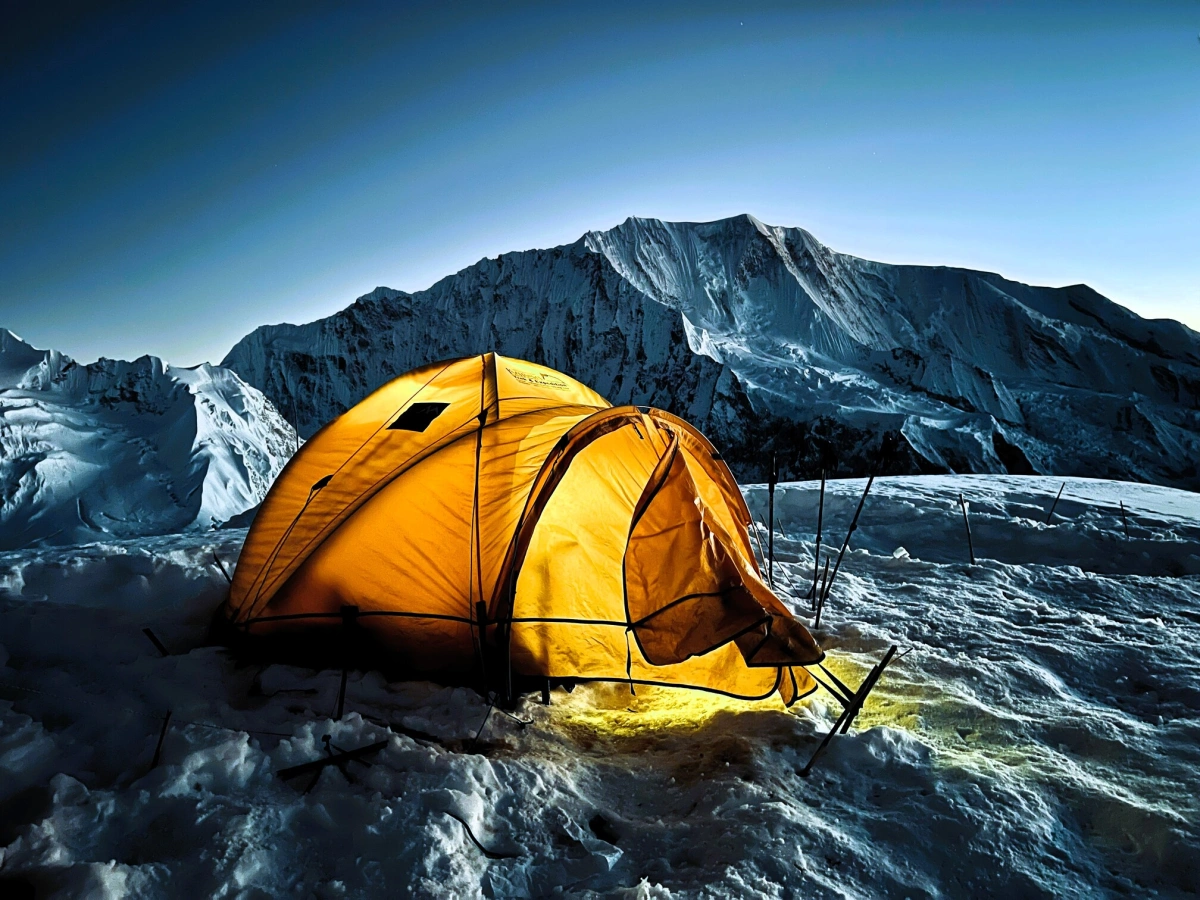
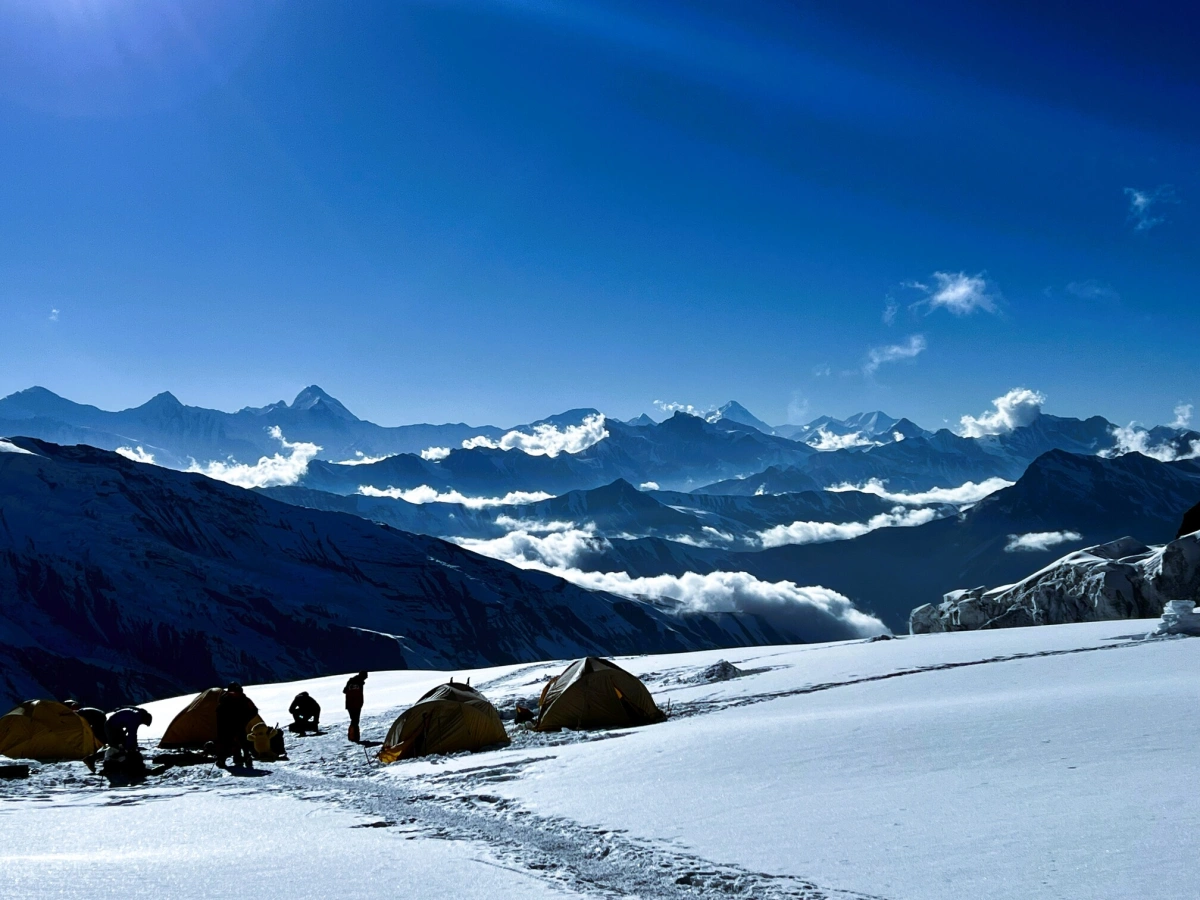
Trek across moraines and rocky terrain to reach Himlung Base Camp. This is the staging area for all summit attempts and high-altitude rotations. The Base Camp provides breathtaking views of Himlung Himal and surrounding peaks, with tents set up for climbers and support staff.

Day 10-20

Rotation Period (Base Camp – Camp 1 & Camp 2 – Base Camp)

Rotation period involves climbing to higher camps for acclimatization and returning to Base Camp. Climbers gradually adapt to extreme altitude while practicing technical skills, glacier travel, and ice climbing techniques. These rotations are essential for safe summit attempts.

Day 21-26

Climbing Period – Base Camp to Himlung Summit and Return

Summit attempts begin after successful rotations. Early morning starts are required for summit climbs, taking 8–12 hours round-trip depending on conditions. Experience glacial ridges, snowfields, and Himalayan panoramas. After summiting, climbers descend carefully to Base Camp for rest. Contingency days are included in case of bad weather or delayed summit attempts.

Day 27

Trek from Base Camp to Meta

  • Begin the descent, retracing the trail through high-altitude valleys, alpine meadows, and yak pastures. Overnight in Meta provides rest and a chance to enjoy the views once more.

Day 28

Trek from Meta to Koto

Descend gradually through forests and terraced hillsides. This section allows trekkers to relax after high-altitude climbing while still enjoying the Himalayan scenery.

Day 29

Drive from Koto to Besi Sahar

Drive back through rivers, farmland, and hills to Besi Sahar. Overnight at a lodge for comfort after long treks and to prepare for the final drive to Kathmandu.

Day 30

Drive from Besi Sahar to Kathmandu & Transfer to Hotel

Return to Kathmandu by road. Evening at leisure for rest, shopping, or cultural exploration. Reflect on the expedition and celebrate the successful high-altitude climbs.

Day 31

Leisure / Rest Day in Kathmandu

Free day to relax in Kathmandu, visit markets, or explore landmarks such as Patan Durbar Square or Bhaktapur. A farewell dinner can be arranged to conclude the expedition.

Day 32

Final Departure to Homeland

After breakfast, transfer to Tribhuvan International Airport for your flight home. Depart Nepal with memories of summiting Himlung Peak (7,126m) and experiencing the majestic Himalayas.

Are you still confuse from where to start? GMT Adventures has solutions.

Cost Details

Included

1. Arrival & Departure Services:

  • Pick-up and drop-off between Kathmandu International Airport and hotel by private vehicle.

2. Accommodation in Kathmandu:

  • Three (3) nights in a 4-star category hotel in Kathmandu.

  • Single room on a bed-and-breakfast (BB) basis.

3. Welcome Dinner/Farewell Dinner:

  • One welcome/Farewell dinner at a tourist-standard restaurant in Kathmandu with company office staff.

4. Cargo & Customs Clearance:

  • Support for expedition cargo clearance through Nepal Customs.

  • Customs clearance charges are payable separately.

5. Expedition Permits & Royalties

  • Government-issued expedition royalty, Himlung Himal climbing permit, and conservation area entry permits.

6. Restricted Area Permit

  • Restricted Area Permit (RAP) fees required for trekking through controlled regions.

7. Liaison Officer

  • One government-appointed Liaison Officer, including salary, accommodation, meals, insurance, and equipment.

8. Garbage Management

  • Government-mandated garbage deposit fees and stool shipment transfer costs for environmental compliance.

9. Staff Insurance:

  • Medical and emergency rescue insurance for all Nepalese staff involved in the trek and expedition.

10. Maps & Complimentary items:

  • Trekking and climbing map of the expedition area.

  • One GMT expedition duffle bag (175 litre) with Cap per member.

11. Member Transportation (Road Travel):

  • Tourist jeep transportation from Kathmandu to Besi Sahar and Koto and return to Kathmandu as per itinerary.

12. Expedition Equipment Transportation:

  • Transportation of all expedition equipment from Kathmandu to Koto by jeep and from Koto to Base Camp by porters or mules, including return logistics.

13. Member Luggage Allowance:

  • Up to 60 kg of personal baggage per member carried by porters or mules during the trek.

14. Meals & Accommodation during trek:

  • Full board meals (breakfast, lunch, and dinner) during the trek.

  • Tea, coffee, and hot water included.

  • Accommodation in hotels, lodges, or tea houses on a shared basis.

  • Hygienic meals served throughout the trekking period.

15. Base Camp Full Board Services:

  • Full board meals at Base Camp, including tea, coffee, juice, and soft drinks.

  • Fresh vegetables, fruits, meat, and other food supplies.

  • Comfortable box tents for accommodation.

  • Fully equipped Base Camp setup including dining tent, kitchen tent, toilet, and shower facilities.

16. Porters:

  • Porters provided for transporting equipment and luggage up to Base Camp and back.

17. Base Camp Staff:

  • Experienced Base Camp cook and kitchen helpers as required.

18. Staff Salary & Allowances:

  • Daily wages, salary, food, accommodation, equipment, and clothing for all Nepalese staff and porters.

19. Base Camp Accommodation & Equipment:

  • Individual sleeping tent for each member at Base Camp.

  • Sleeping tent with foam mattress and pillow per member.

20. Heating & Power Supply:

  • Heater in dining and essential tents at Base Camp.

  • Solar panels and generators for lighting and charging electronic devices (cameras, phones, laptops).

21. Training at Base Camp:

  • Pre-climb training on oxygen use, mask and regulator handling, ice wall practice, and gear usage conducted by an experienced Climbing guide.

22. High-Altitude Climbing Guide:

  • One (1) government-licensed and highly experienced climbing Guide per member (1:1 ratio).

  • Guide to support from Base Camp to summit and back, including all acclimatization rotations.

23. Assistant Climbing Guide & Benefits:

  • Assistance with carrying climbing gear to high camps.

  • Assistant climbing guide’s salary, food, clothing, equipment, and insurance included.

  • Carry bonus and route-fixing charges covered.

24. High Camp Logistics:

  • High-altitude tents, cooking gas (EPI gas), cooking utensils, and high-altitude meals for members, climbing guides, and crew at Camp I(5,550m), Camp II (6,150m).

25. High-Altitude Tents:

  • Shared high camp tents (2 members per tent).

26. Rope Fixing:

  • Experienced guide rope-fixing team to establish and maintain the climbing route. 

  • Fixed ropes, dynamic ropes, and group climbing equipment as required.

27. Communication Equipment & Weather Forecast:

  • Satellite phone carried by Climbing guide for emergency communication (member use subject to extra charge).

  • Walkie-talkies for Base Camp and mountain communication.

  • Walkie-talkie permits fees for all members and staff.

  • Regular professional weather forecast reports throughout the expedition.

28. Medical & Oxygen Support:

  • Comprehensive medical kit available at Base Camp for members and staff.

  • Backup oxygen cylinder, mask, and regulator available subject to additional cost.

29. Climbing Certificate:

  • Official Himlung Himal Climbing Certificate issued by the Ministry of Culture, Tourism, and Civil Aviation (MoCTCA) upon successful summit.

Excluded

1. International Travel & Entry Requirements:

  • International Airfare to and from Kathmandu and Nepal entry visa fee, payable upon arrival at Tribhuvan International Airport.

2. Banking & Payment Requirements:

  • Wire transfer & Bank service fees for all payments made to GMT Adventures bank account. 

3. Meals & Accommodation in Kathmandu:

  • Meals in Kathmandu other than those specifically included in the itinerary.

  • Extra accommodation in Kathmandu due to early arrival, late departure, flight delays, itinerary changes, or unforeseen circumstances.

4. Personal Expenses:

  • Personal expenses during the trek and Kathmandu, including but not limited to Telephone calls & Internet/WIFI charges, alcoholic beverages, specialty coffee or espresso drinks, soft drinks, bottled or canned beverages, laundry services, Hot shower, Battery recharging and electronic device charging and Toiletries & personal care items.

5. Insurance & medical coverage:

  • Comprehensive personal travel Insurance & High-altitude climbing insurance, including coverage for emergency medical treatment and Helicopter evacuation.

6. Personal Climbing equipment & Gear:

  • Personal equipment and mountaineering gear like Hight altitude boots, Harness, down suit or high-altitude clothing & personal sleeping gears and accessories.

  • Personal toiletries and individual equipment.

7. Filming, Photography & Drone Permits:

  • Fees for special filming, professional photography, media coverage, or drone permits required by Nepalese authorities.

8. Summit Bonuses & Mandatory Tips:

  • Mandatory summit bonus for the Expedition Leader.

  • Tips for porters and all Nepali staff.

  • Tips for Base Camp & High Camp staff.

9. Unforseen Cost & Miscellaneous:

  • Any additional services, activities or expenses not mentioned in the itinerary.

  • Cost arising from changes in itinerary due to weather conditions, health issues, governments regulations, or force majeure.

Equipment Lists

Climbing Himlung Himal requires proper preparation and reliable mountaineering equipment. Having the right gear is essential for safety, comfort, and success during the expedition. Below is the recommended equipment list for the Himlung Himal expedition.

Head
+
  • SUN CAP
  • DESERT CAP
  • BALACLAVA
  • FLEECE HAT/ WARM HAT (1-2 PCS)
  • NECK GAITER (2-3 PCS)
Upper Body
+
  • THERMAL TOP BASE LAYER (2-3 PCS)
  • FLEECE JACKET (1-2 PCS)
  • GORE-TEX JACKET (1 PCS)
  • WIND PROOF JACKET (1-2 PCS)
  • DOWN JACKET (1-2 PCS)
  • COTTON T-SHIRT (3-5 PCS)
Hands
+
  • THIN FLEECE GLOVES (2 PAIRS)
  • WIND STOPPER / SCREEN TAP GLOVES (2 PAIRS)
  • HEAVY GLOVES (GUIDE GLOVES)
  • SUMMIT GLOVES - 8000
Lower Body
+
  • THERMAL BOTTOM BASE LAYER (2-3 PCS)
  • FLEECE TROUSER (1-2 PCS)
  • GORE-TEX PANT (1 PCS)
  • MID WEIGHT PANTS (1-2 PCS)
  • LIGHT WEIGHT QUICK DRY TREKKING PANTS (2-3 PAIRS)
  • GAITERS FOR TREKKING BOOTS
  • DOWN PANTS (1 PCS)
  • UNDER WEAR (4-6 PCS)
Foot Wear
+
  • SUMMIT BOOT - 8000M 
  • CLIMBING BOOT - 6000M
  • NORMAL SOCKS (5-8 PAIRS)
  • SUMMIT SOCKS/6000 M. SOCKS (2 PAIRS)
  • TREKKING SHOES (GORE-TEX)
  • LIGHT TREKKING/SPORTS SHOES
  • CAMP BOOTIES (1 PAIR)
  • SLIPPER (1 PAIR)
Travel Documents
+
  • VALID PASSPORT
  • CREDIT/DEBIT CARD
  • PP SIZE PHOTO (4 PIECES)
  • INSURANCE PAPER AND CONTACT ADDRESS
  • FAMILY MEMBERS / COMPANY’S CONTACT ADDRESS
Sun Stuffs
+
  • SUN CREAM (UP TO -50 SPF)
  • LIP GUARD -30 TO -50 (SPF)
  • SUN GLASSES (UV PROTECTION)
  • GLACIERS GLASSES (UV PROTECTION)
  • MOISTURISER / LOTION
Toiletries
+
  • TOILET PAPER / WET TISSUE
  • TOOTHPASTE & TOOTHBRUSH
  • SOAP
  • SHAMPOO
  • TOWEL
  • GARBAGE BAG
Eating & Drinking
+
  • 1 LTR. WATER BOTTLE
  • 1/ 1.5 LTR. THERMOS
  • MUG (OPT.)
  • SPOON/ FORK (OPT.)
  • BOWL (OPT.)
Sleeping Bags
+
  • SLEEPING BAG -20°C TO -30°C (FOR BASE CAMP)
  • DOWN SLEEPING BAG -40°C
  • THERMAREST MATTRESS (CELL FOAM)
  • DOWN MATTRESS (INFLATABLE)
  • SLEEPING BAG LINER
  • INFLATABLE PILLOW
Bag Packs
+
  • RUCKSACKS 35 L - 50 L
  • DUFFLE BAG 120 L-150 L (2 PCS)
  • WATER PROOF STUFF SACKS/DRY BAG(3-4 PCS)
Climbing Equipments
+
  • CLIMBING HELMET
  • SUMMIT DOWN SUIT - 8000M
  • CRAMPONS (FIT WITH BOOT)/PACKING COVER
  • ICE AXE WITH SPIKE & AXE PROTECTOR
  • HARNESS
  • BELAY DEVICES/ FIGURE OF 8/ ATC GUIDE
  • JUMAR / ASCENDER
  • LOCK CARABINER (3 PCS)
  • UNLOCK CARABINER (2 PCS)
  • TAPE SLINGS/240 CM
  • SNOW GOGGLE (SUMMIT PURPOSE, ANTI-FOG, POLARIZED, UV PROTECTION)
  • HEAD LIGHT 500-700 LUMENS SPARE BATTERY (ENERGIZER ULTIMATE LITHIUM)
  • SATELLITE PHONE WITH CREDIT (OPTIONAL)
  • WALKING STICK/ TREKKING POLE
  • POCKET KNIFE (SWISS)
  • ALTIMETER WATCH 
  • PEE BOTTLE
  • POWER BANK
Medical & First Aid
+
  • BRUFEN/IBUPROFENS
  • ANTIBIOTIC, PARACETAMOL
  • DIAMOX
  • HANDY PLASTER, CRACK BANDAGE
  • TINCTURE IODINE, ONDEM
  • CETIRIZINE, ELECTROLYTE  MINIL 10MG (PALPITATION, ANXIETY)
  • CODOPAR (HEADACHE & CHEST PAIN) 
  • SALBETOL 4MG (BREATHLESS)
  • AZITHROMYCIN 500MG (CHRONIC TONSILLITIS, FEVER, NOSE, THROAT INFECTION-MUST TAKE 5 DAYS)
  • FLUPEN 250MG (PREVENT WOUND INFECTION)
  • ALLEGRA 120/180MG (ALLERGIC TONSIL)
  • MENSTRUAL PRODUCTS
Miscellaneous
+
  • NAIL CUTTER
  • UMBRELLA / RAIN COAT
  • HOT WATER BAG
  • TENACIOUS TAPE REPAIR KITS
  • CAMERA
  • GPS TRACKER (RECOMMENDED)
  • HAND & TOE WARMER

Essential Information

Climbing Permits and Regulations

A Himlung expedition requires official climbing permits issued by the Government of Nepal. The permit cost depends on group size, nationality, and season. Additionally, trekking permits such as the Annapurna Conservation Area Permit (ACAP) may be required for the approach trek. These permits ensure compliance with local regulations and support environmental conservation in the Himalayan region.

Altitude Acclimatization Tips

Proper acclimatization is vital for a successful Himlung climb. Altitude sickness can affect climbers above 3,000 meters. Expedition itineraries include gradual elevation gain, rest days, and optional acclimatization hikes. Staying hydrated, monitoring health, and following expedition guidelines are essential to avoid acute mountain sickness and ensure a safe ascent.

Weather Conditions and Mountain Terrain

Himlung Himal features glaciated ridges, snow slopes, and technical ice sections. Weather can change rapidly, with risks of storms, heavy snowfall, and sub-zero temperatures. Climbers must be equipped with insulated clothing, mountaineering boots, crampons, and ice axes. Knowledge of glacier travel and crevasse rescue techniques is highly recommended to navigate the technical terrain safely.

Accommodation and Meals During the Expedition

Accommodation en route to base camp includes teahouses or tented camps, while higher camps use expedition tents. Meals are typically full-board, providing high-calorie, nutritious food essential for high-altitude exertion. Balanced nutrition supports stamina, endurance, and recovery, ensuring climbers can perform optimally during long trekking and climbing days.

Medical and Safety Precautions

First aid kits, supplemental oxygen, and satellite communication devices are standard on Himlung expeditions. Climbers should undergo pre-expedition medical checkups and carry personal medications for altitude-related issues. Hiring certified guides and support staff ensures technical sections are navigated safely and emergency response is readily available.

Travel and Logistics

The expedition generally starts from Kathmandu, followed by a domestic flight or road journey to the trekking starting point. Porters and pack animals assist in transporting gear to base camp. The approach trek takes several days, offering spectacular views of rivers, forests, and alpine landscapes. Proper coordination with expedition organizers ensures seamless transport, accommodation, and supply management.

Cultural Etiquette in Himlung Region

Himlung’s surrounding villages are home to Tibetan and Sherpa communities with rich Buddhist traditions. Visitors are expected to respect local customs, religious sites, and community norms. Seeking permission before photographing people or monasteries fosters mutual respect. Engaging with local communities enhances cultural understanding and supports responsible tourism in remote Himalayan regions.

Best Season to Climb Himlung Himal

The optimal time for Himlung expeditions is during pre-monsoon (March–May) and post-monsoon (late September–November) seasons. These periods offer clear skies, stable weather, and moderate temperatures, reducing risks from storms or heavy snowfall. Climbers can enjoy panoramic views of surrounding Himalayan giants while experiencing safer and more comfortable climbing conditions. Seasonal timing is critical for expedition success and overall safety.

Required Skills and Fitness for Himlung Expedition

Himlung Himal requires climbers to have prior high-altitude trekking experience, physical fitness, and familiarity with basic mountaineering techniques. Strength, endurance, and comfort in extreme conditions are essential, as is experience with snow and ice climbing. Training before the expedition should focus on cardiovascular conditioning, strength building, and technical mountaineering skills. Previous experience on 6,000–7,000-meter peaks significantly increases safety and success rates.

Good to Know

Why Choose GMT Adventures for Himlung Expedition?

GMT Adventures is your trusted partner for a safe Himlung Expedition. Our expert Sherpa guides provide extensive support for climbers, ensuring a memorable and successful climb. Here are the top reasons to choose GMT Adventures for your high-altitude expeditions in Nepal:

  • Certified Elite Mountaineering Experts: Our team comprises elite Sherpa guides who are certified by both national and international mountaineering associations. We have completed multiple summits of Himlung Expedition, helping us familiarize ourselves with the diverse challenges, rugged terrain, microclimates, and weather patterns of the Khumbu region.

  • Strategic Acclimatization Schedules to Reduce Risks of Altitude Sickness: Your safety and well-being are paramount. As your journey takes you to regions above 5,000 meters, there is a significant increase in the risk of altitude-related sickness, which can be fatal if not managed promptly. To reduce such risks, we have strategically included rest and acclimatization days. Additionally, we encourage the climbers to stay hydrated, consume nutritious food, and avoid alcoholic beverages throughout the expedition.

  • Highly Skilled and Dedicated Sherpa Support: Our Sherpa guides and support staff are highly trained with remarkable endurance and navigation skills. You will find constant support and guidance from these professionals throughout your journey, including expert navigation, critical gear support, and transportation. They will also assist you by fixing ropes and ladders, and conducting life-saving rescue operations.

  • Sustainability and Community Commitment: We believe in sustainability and eco-friendliness. Through our expedition, we give back to the mountains by helping empower local communities, creating economic growth opportunities, and ensuring proper waste management.

  • Transparent and No Hidden Costs: Our expedition packages are fully transparent and inclusive. You will find prices that cover all necessary permits, expedition services, dedicated Sherpa support, and essential supplementary oxygen. This commitment to financial transparency allows you to complete your journey with peace of mind.

Customization and Personalized Experience

GMT Adventures understands that every traveler has unique needs, preferences, and schedules. The Everest Base Camp along with Himlung Expedition can be fully customized, including itinerary length, walking pace, accommodation standards, extra acclimatization days, and pre- or post-trek activities. This ensures a journey tailored to individual comfort, interests, and fitness levels without compromising safety or experience quality.

Before departure, GMT Adventures provides a detailed trek briefing, covering route details, daily walking hours, altitude considerations, accommodation, meals, packing essentials, and safety protocols. This personalized preparation allows every client to trek with confidence, knowledge, and peace of mind. Combining customization with professional guidance and local expertise, GMT Adventures ensures each Himlung Expedition is a unique and unforgettable Himalayan adventure.

Himlung Expedition FAQs

Himlung Himal is located in the remote Nar-Phu region of the Manang district in northern Nepal, close to the Tibetan border.

Himlung Himal stands at 7,126 meters (23,379 ft) above sea level.

The expedition is considered moderately challenging, suitable for climbers with previous high-altitude trekking or basic mountaineering experience.

The Himlung expedition usually takes 30–35 days, including trekking, acclimatization, and the summit attempt.

The best seasons are spring (April–May) and autumn (September–October) when weather conditions are more stable.

Yes, climbers should have basic mountaineering skills and experience on high-altitude treks or peaks.

Climbers need a Himlung climbing permit, Nar-Phu restricted area permit, and Annapurna Conservation Area Permit (ACAP).

Yes, many climbers choose Himlung Himal as their first 7000-meter expedition due to its relatively less technical route.

Challenges include high altitude, glacier travel, extreme cold, and changing weather conditions.

From the summit, climbers can enjoy views of peaks such as Manaslu, Annapurna II, and Gyaji Kang.

Yes, most expeditions include experienced Sherpa guides and full logistical support.

Preparation should include cardio training, strength exercises, hiking practice, and learning basic mountaineering techniques.

Need Help? Call Us+977 9823373306