24
Days

Amadablam Peak

8 Reviews in TripAdvisor
6 Reviews in Google Reviews
Wishlist

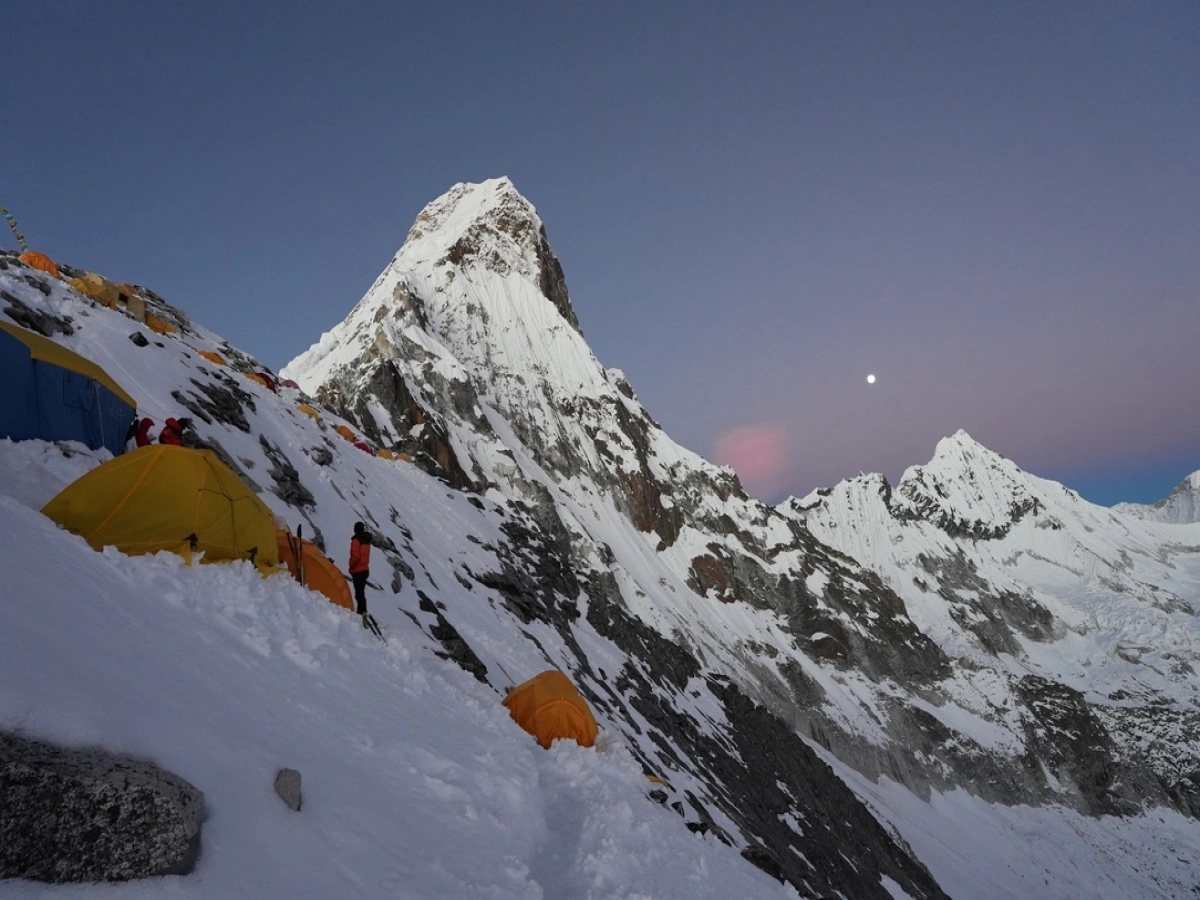
Ama Dablam Expedition with GMT Adventures is a 24-day fully guided technical climbing expedition to one of the most iconic peaks in the Everest region, standing at 6,812 meters. Climbed via the classic Southwest Ridge, the expedition combines a scenic trek through Sherpa villages with a demanding alpine ascent featuring exposed ridges and fixed ropes. Designed for experienced climbers, the program includes proper acclimatization, strong Sherpa support, and fully serviced camps, offering a safe and rewarding Himalayan summit experience during the best climbing seasons.

Trip Facts
Duration
24 Days
Trip Grade
Technically Challenging
Country
Nepal
Maximum Altitude
6812
Starts
Kathmandu
Ends
Kathmandu
Activities
Spring (April–May) & Autumn (October–November)

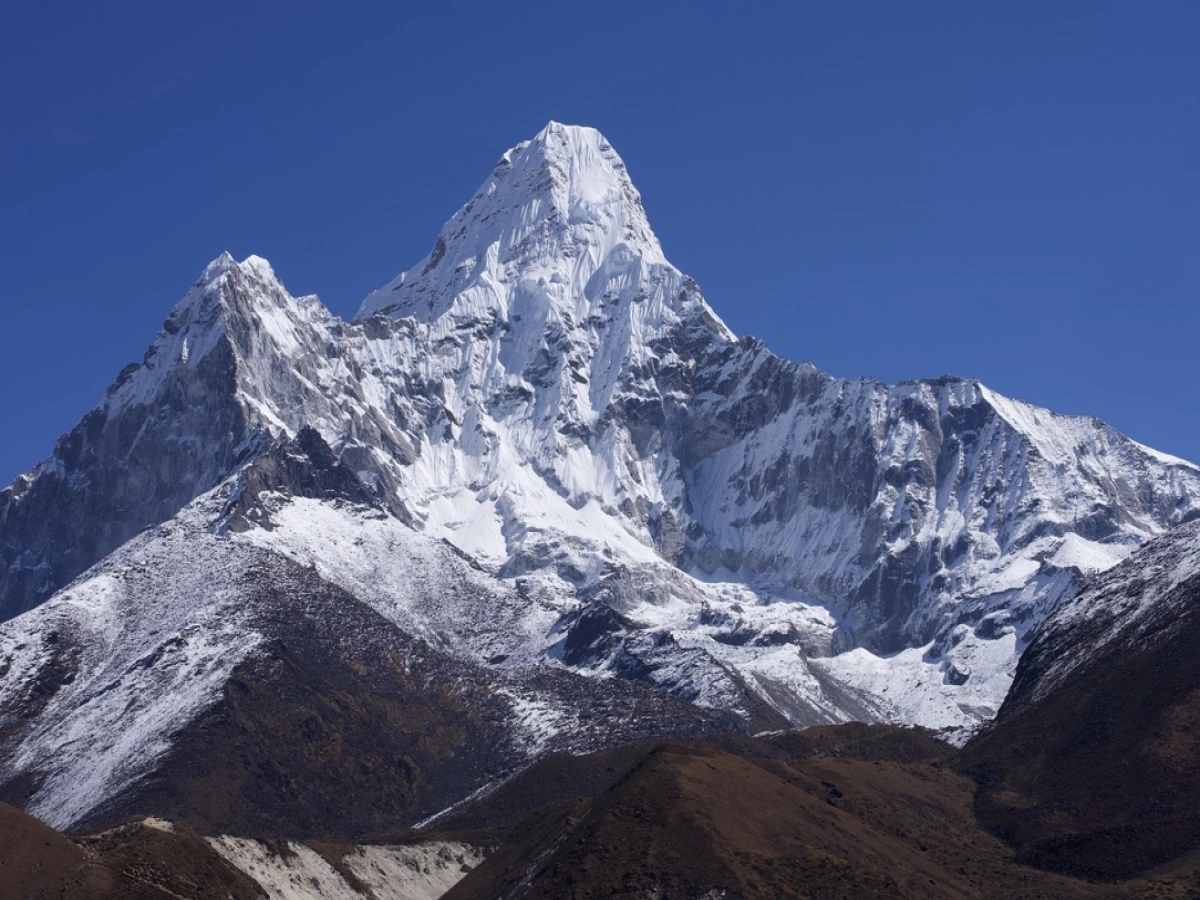
Ama Dablam is widely regarded as one of the most beautiful and iconic mountains in the Himalayas. Rising gracefully above the Khumbu Valley, its sharp ridges, hanging glacier “Dablam,” and dramatic southwest face make it a dream objective for serious mountaineers.

The Ama Dablam Expedition combines classic Himalayan trekking with highly technical alpine climbing. The journey begins with a scenic trek through the heart of the Everest region, passing legendary Sherpa villages such as Namche Bazaar, Tengboche, and Pangboche before reaching Ama Dablam Base Camp. From here, climbers engage in a carefully planned acclimatization program with multiple rotations to high camps, ensuring safety and optimal summit readiness.

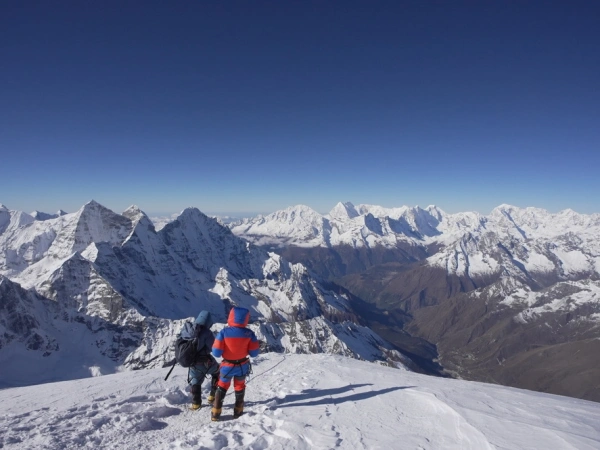
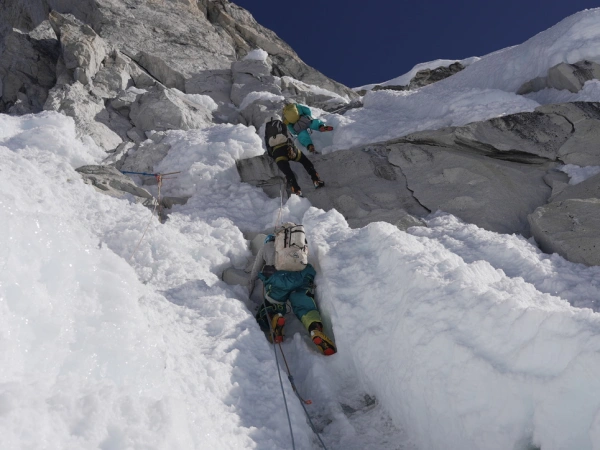
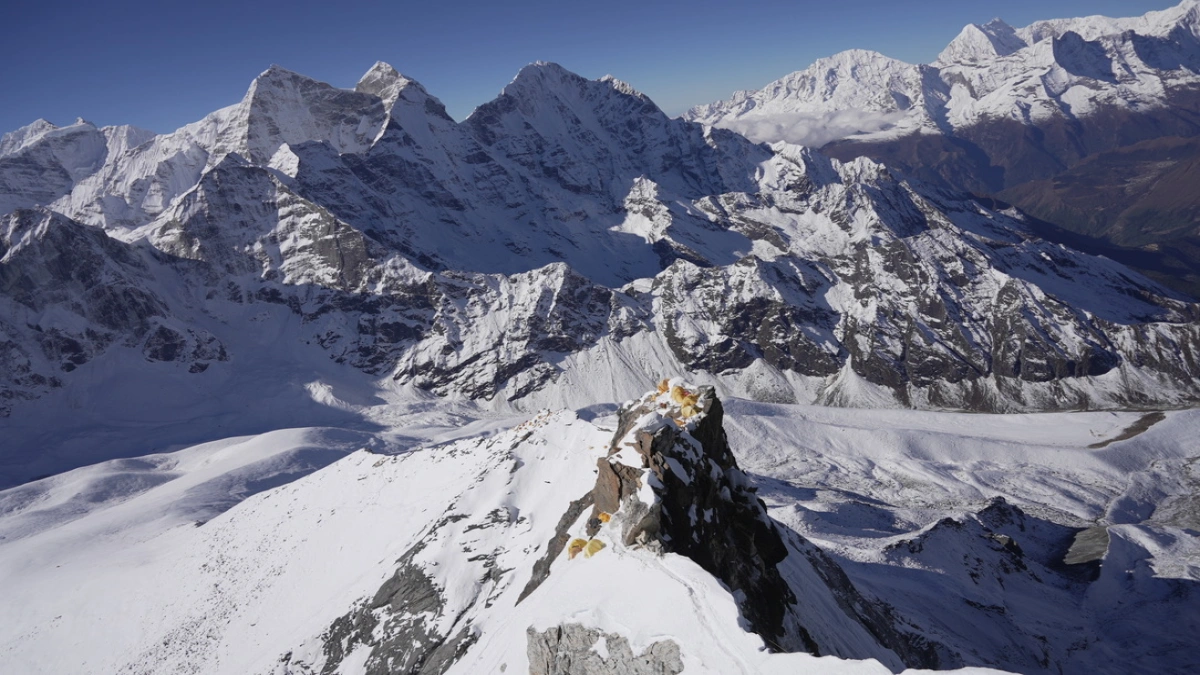
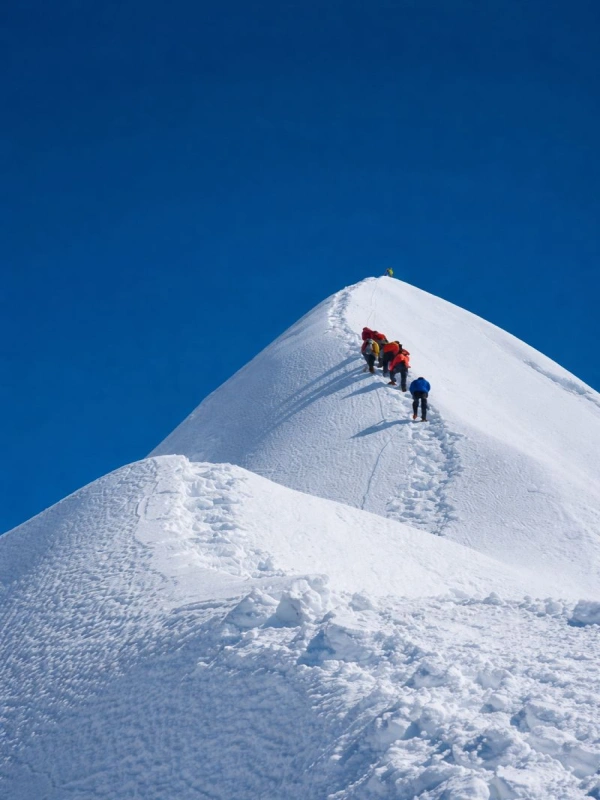
The climb itself involves fixed ropes, exposed ridges, ice and mixed climbing, steep rock sections, and glacier travel, making Ama Dablam a true test of technical skill, endurance, and mental strength. With proper acclimatization, strong logistics, and experienced guides, the summit offers one of the most rewarding viewpoints in the Himalayas, with Everest, Lhotse, Makalu, and Cho Oyu dominating the skyline.

Trip Highlights

  • Trek from Lukla to Ama Dablam Base Camp through Namche Bazaar, Tengboche, and Pangboche

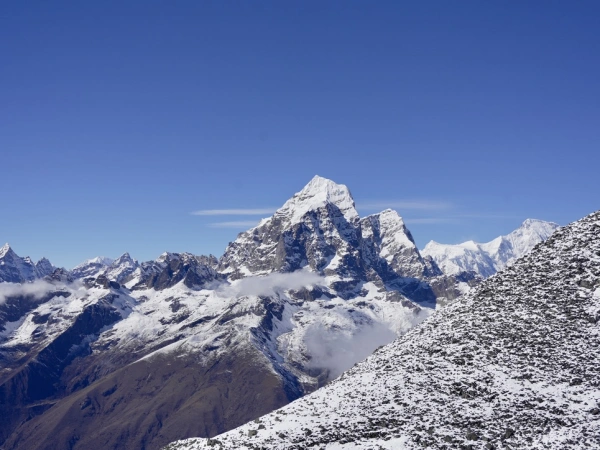
  • Stunning views of Everest, Lhotse, Nuptse, and the Khumbu Valley

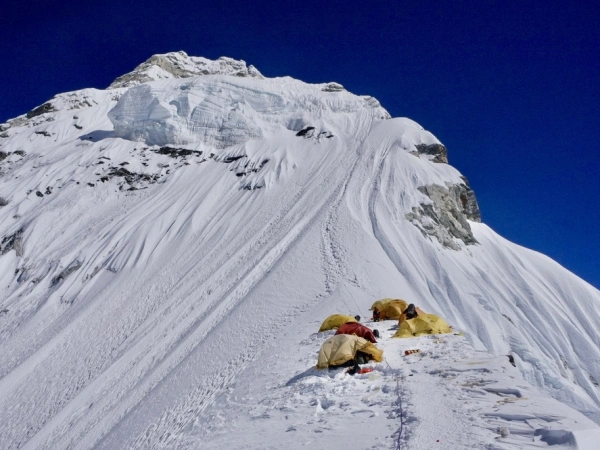
  • Technical climb via Southwest Ridge with fixed ropes and glacier sections

  • Full acclimatization program with multiple high camp rotations

  • Fully serviced Base Camp and high-altitude camps with support staff

  • Cultural experience in Sherpa villages and monasteries along the trail

  • Summit Ama Dablam and enjoy panoramic Himalayan vistas

Technical Climb with Expert Support

Climbers tackle the classic Southwest Ridge route, navigating exposed ridges, fixed ropes, glaciers, and steep rock sections. With GMT Adventures’ professional guides and elite Sherpa support, climbers benefit from top-notch logistics, fully serviced base camp, and strategic high camp rotations. This approach balances technical challenge with safety, making the Ama Dablam summit both achievable and rewarding.
Short Itinerary and Map

Amadablam Peak Detailed Itinerary

Day 1

Arrival in Kathmandu.

Arrival at Tribhuvan International Airport. Meet the GMT Adventures team and transfer to the hotel. Welcome briefing and rest after international travel.

Day 2

Briefing and preparation for the expedition.

Full expedition briefing with the climbing leader. Permit processing, documentation, detailed equipment check, and final logistics preparation. Time for last-minute gear shopping if required.

Day 3

Fly Kathmandu/Ramechhap to Lukla & Trek to Phakding.

Early morning scenic flight to Lukla. Meet trekking staff and porters. Begin trek from Lukla through Sherpa villages, mani walls, and pine forests to Phakding.

Day 4

Trek from Phakding to Namche Bazaar.

Trek from Phakding along the Dudh Koshi River, crossing suspension bridges including the Hillary Bridge. Enter Sagarmatha National Park and ascend to Namche Bazaar.

Day 5

Acclimatization Day at Namche Bazaar.

Rest and acclimatization day. Acclimatization hike to Everest View Hotel or Khumjung village. Return to Namche for rest, hydration, and gear organization.

Day 6

Trek from Namche Bazaar to Tengboche.

Trek from Namche along a scenic trail with views of Everest, Lhotse, Nuptse, and Ama Dablam. Descend to the river and climb to Tengboche. Visit Tengboche Monastery.

Day 7

Trek from Tengboche to Pangboche.

Trek from Tengboche through alpine forests and open terrain to Pangboche, one of the oldest Sherpa settlements, offering close views of Ama Dablam.

Day 8

Trek from Pangboche to Ama Dablam Base Camp.

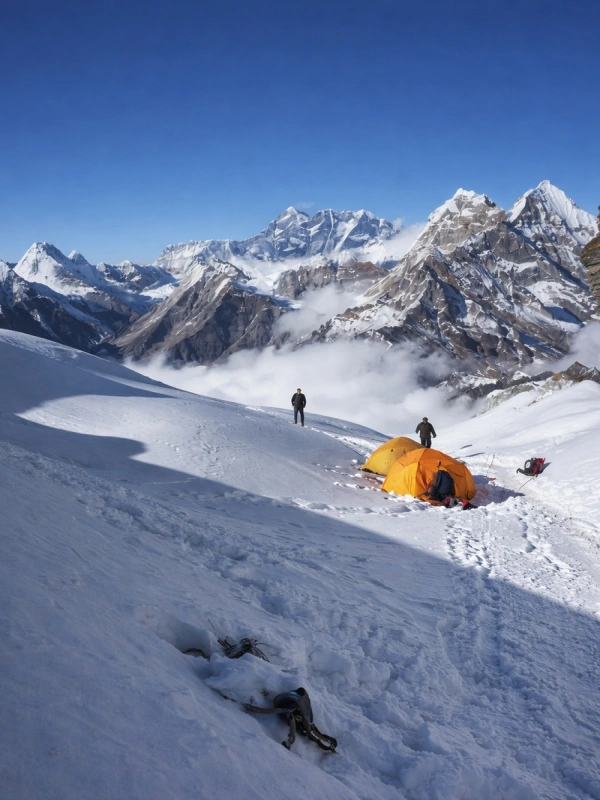
Trek from Pangboche on a steady trail to Ama Dablam Base Camp. Establish camp, orientation, and rest with spectacular mountain views.

Day 9

Acclimatization and Technical Training at Base Camp.

Technical training including fixed rope climbing, jumaring, rappelling, ladder crossing, and safety procedures in preparation for rotations.

Day 10

Rotation 1 – Base Camp to Camp I and Return.

Climb from Base Camp to Camp I carrying loads and familiarizing with the route. Descend back to Base Camp.

Day 11

Rest Day at Base Camp

Full rest day for recovery, hydration, medical checks, and weather monitoring.

Day 12

Rotation 2 – Base Camp to Camp I

Climb to Camp I and overnight. Focus on acclimatization and rest at altitude.

Day 13

Camp I to Camp II and Return to Base Camp

Climb from Camp I to Camp II via technical sections such as the Yellow Tower and Mushroom Ridge. Descend carefully back to Base Camp.

Day 14-15

Rest Day at Base Camp

Recovery day with equipment maintenance and acclimatization monitoring.

Day 16

Camp I

Climb from Camp I to Camp II and continue to Camp III below the Dablam (hanging glacier). Overnight at Camp III.

Day 17

Camp II

Descend carefully from Camp III to Base Camp. Full rest and recovery.

Day 18

Camp III

Final rest day. Detailed summit briefing, final gear check, and weather assessment.

Day 19

Summit Push to Ama Dablam and Descend to Base Camp

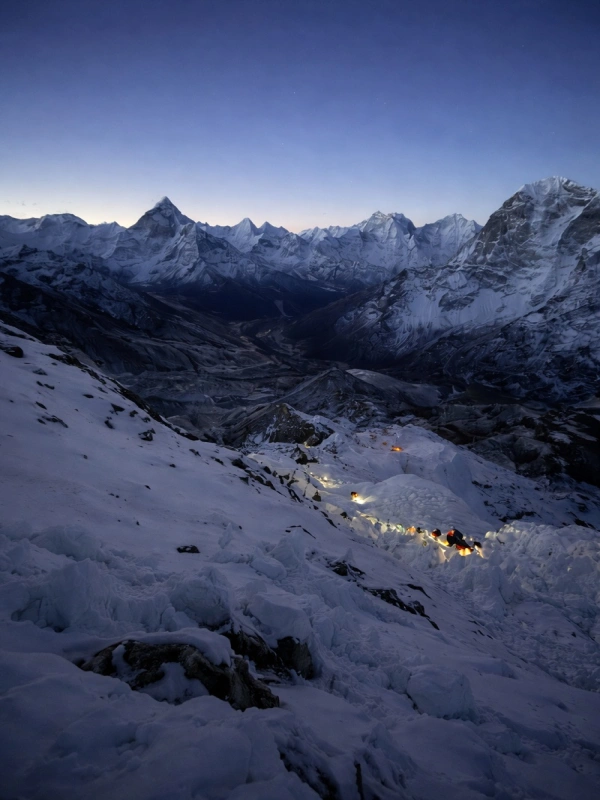
Early morning summit attempt along the exposed summit ridge. Reach the summit and descend safely to Camp I or Base Camp depending on conditions.

Day 20

Rest Day at Base Camp

Full rest day for recovery, hydration, medical checks and prepare to descend.

Day 21

Trek from Ama Dablam Base Camp to Tengboche

Begin return journey. Trek from Base Camp descending through Pangboche and Tengboche to Namche Bazaar.

Day 22

Trek from Tengboche to Jorsalle

Final trek from Namche Bazaar to Lukla. Fly to Kathmandu (weather permitting) and transfer to hotel.

Day 23

Trek from Jorsalle to Lukla

After breakfast in Jorsalle, begin the trek following the Dudh Koshi River, passing through classic Sherpa villages and crossing several suspension bridges, including the famous Hillary Suspension Bridge which leads back to Lukla.

Day 24

Flight form Lukla to Kathmandu and final celebration

Leisure and rest day in Kathmandu for recovery, shopping, or sightseeing. Transfer to Tribhuvan International Airport for final departure to clients’ home country.

Day 25

Final International Departure

Are you still confuse from where to start? GMT Adventures has solutions.

Cost Details

Included

1. Accommodation in Kathmandu

  • 3 nights hotel stay in Kathmandu on a Bed and Breakfast (B&B) basis, flexible for before or after the expedition.

2. Domestic Flights

  • Round-trip flights from Kathmandu to Lukla for climbers and Nepali staff.

3. Ground Transportation

  • All necessary ground transportation as per the itinerary, including airport transfers and local transfers to/from the trek and expedition starting and ending points.

4. Lodging and Meals During Trek and Base Camp

  • Accommodation in local lodges or teahouses along the trekking route.

  • Full board meals (Breakfast, Lunch, and Dinner) throughout the trek and expedition period.

  • Base Camp and high-altitude camp services including meals, tents, and kitchen support.

5. Permits and Fees

  • Ama Dablam Climbing Permit.

  • Expedition Royalty Fee.

  • Sagarmatha National Park Entry Fee.

  • Garbage Management Fee.

  • TIMS Card (Trekkers’ Information Management System).

  • Government Liaison Officer fee and facilitation as required by the Nepal Government.

6. Guide and Porter

  • Experienced, licensed, and English-speaking climbing guide.

  • Sherpa support for carrying expedition loads and summit assistance.

  • Accidental insurance coverage for all Nepali staff (guides and porters).

7. Equipment

  • Group climbing equipment including fixed ropes, anchors, ladders, first-aid kits, and basic emergency medical supplies.

8. Administration & Taxes

  • All applicable government taxes.

  • Company service charge.

9. Complimentary Items

  • GMT Adventures branded duffle bag

  • GMT Adventures branded cap

Excluded

1. International Airfare

  • Flights to and from Kathmandu.

2. Banking & Payment Charges

  • Wire transfer and bank service fees for payments made to GMT Adventures’ bank account.

2. Food & Accommodation

  • Meals in Kathmandu not specified in the itinerary (lunch and dinner).

  • Extra accommodation in Kathmandu due to early arrival, late departure, or unforeseen circumstances.

4. Emergency Services

  • Cost of rescue or evacuation services, including helicopter rescue if required (travel insurance strongly recommended).

5. Insurance

  • Personal travel and mountaineering insurance (mandatory; must cover up to 7,000 meters climbing activities, high-altitude rescue, and emergency evacuation).

6. Personal Expenses

  • Telephone calls and internet/Wi-Fi.

  • Laundry services.

  • Hot showers (often charged extra at teahouses).

  • Cold drinks, mineral water, alcoholic beverages, bottled juice, and snacks.

  • Charging electronic devices.

  • Any other personal expenses not mentioned in the itinerary.

7. Personal Gear

  • Personal mountaineering and trekking equipment such as climbing boots, down jacket, sleeping bag, trekking poles, helmet, harness, crampons, ice axe, etc. (available for rent in Kathmandu).

8. Tips

  • Tips for climbing staff and Sherpas (customary and expected at the end of the expedition).

9. Extra Charges

  • Any additional services, activities, or costs not mentioned under “Included.”

Essential Information

When is the Best Time for Ama Dablam Climbing?

The best seasons for Ama Dablam climbing are spring (March to May) and autumn (September to November). During these periods, you will find stable weather, clear skies, and breathtaking views of the Himalayas, making your expedition safer and increasing the chances of a successful summit.

Spring, especially April and May, is the most popular time for climbing Ama Dablam. Temperatures are moderate, and weather conditions are generally stable, reducing the technical challenges of the ascent. Lower regions along the trek offer vibrant rhododendron and alpine wildflowers, adding unforgettable scenery to your journey.

Autumn provides uninterrupted panoramic views of the Himalayan peaks. However, as winter approaches, temperatures drop significantly at higher altitudes, and routes may become icy. Climbers should be prepared for these conditions, especially during the summit push, requiring physical fitness, careful planning, and experienced guidance.

Ama Dablam Climbing: Difficulty and Safety

Ama Dablam is a technical alpine peak, often called the “Matterhorn of the Himalayas” due to its steep ridges and striking profile. The climb involves ice, snow, and exposed rock sections, requiring basic mountaineering skills. The difficulty is graded as Alpine AD (Assez Difficile – fairly difficult), meaning prior mountaineering experience is highly recommended.

Safety is paramount. With GMT Adventures, you are supported by highly experienced climbing Sherpas, trained in high-altitude conditions. The itinerary includes non-negotiable acclimatization days and technical skill training to minimize the risks of altitude sickness and ensure climbers are fully prepared for the summit push.

Ama Dablam Climbing Insurance Policy

Specialized mountaineering insurance covering altitudes up to 7,000 meters is essential for Ama Dablam. Standard travel insurance often excludes activities involving ropes, crampons, or altitudes above 6,000 meters. An all-inclusive policy can significantly reduce financial risk in case of injury, illness, or emergency evacuation during the expedition.

Your insurance should include:

  • High-altitude Helicopter Rescue: Emergency air evacuation from high camps or the climbing route.

  • Medical Treatment: Hospitalization, doctor fees, and repatriation to your home country.

  • Mountaineering Coverage: Explicit coverage for climbing and mountaineering activities up to the peak’s maximum altitude (6,812 meters).

Note: GMT Adventures requires submission of your all-inclusive insurance policy with policy numbers before departure. For more details or guidance on insurance, contact our travel experts.

Good to Know

Why Choose GMT Adventures?

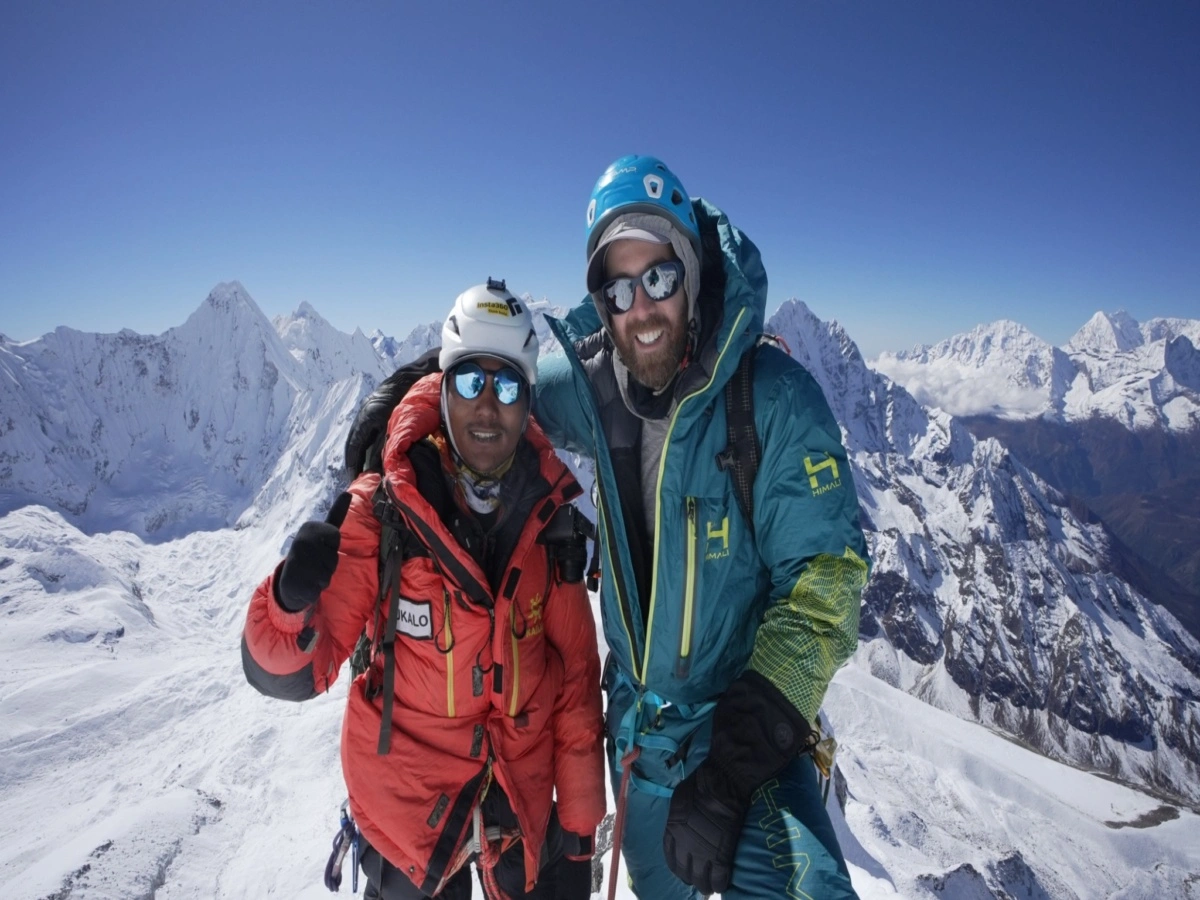
Choosing GMT Adventures means trekking with a company that blends local expertise, professional expedition experience, and personal attention to every detail. CEO Gesman, who worked alongside Nims Purja during the 14 Peaks project, brings world-class high-altitude experience and expedition standards to every trek. From itinerary planning to guide selection and safety measures, every aspect is handled with professionalism, ensuring a smooth, safe, and memorable trekking experience.

GMT Adventures focuses on client comfort and satisfaction. With experienced guides, well-structured itineraries, transparent services, and hands-on management, the company ensures travelers can fully immerse themselves in the Himalayas while leaving logistics, safety, and support to the professionals. Trekking with GMT Adventures guarantees a seamless, high-quality, and rewarding Everest journey.

Personalized Journeys Made Simple with GMT Adventures

Customization is essential because every traveler has unique preferences, fitness levels, schedules, and expectations, which can greatly influence the overall trekking experience. By allowing adjustments in pace, itinerary, accommodation standards, or rest days, each journey can be tailored to ensure maximum comfort, safety, and enjoyment. With GMT Adventures, this flexibility is fully supported, allowing trekkers to design an adventure that aligns perfectly with their personal needs and goals. Personalized planning ensures that every experience is not only memorable but also fully adapted to the traveler’s individual preferences, making each journey both rewarding and stress-free.
 

You May Also Like

island peak near summit

Island Peak

Duration
19 Days
Trip Grade
Strenuous
lobuche push

Lobuche Peak

Duration
17 Days
Trip Grade
Strenuous
mera_peak

Mera Peak

Duration
18 Days
Trip Grade
Strenuous
Need Help? Call Us+977 9823373306