Best Time to Travel
The Khopra Danda Trek is best experienced during the spring (March to May) and autumn (September to November) seasons, when the weather is stable and the mountain views are at their finest. Spring brings blooming rhododendron forests that paint the hillsides in vibrant reds and pinks, while autumn offers crisp air and crystal-clear panoramas of the Annapurna and Dhaulagiri ranges. Winter (December to February) is quieter and offers a more secluded experience, though colder temperatures and occasional snowfall can make higher sections more challenging. The monsoon season (June to August) transforms the landscape into lush greenery but often comes with limited visibility and slippery trails. Choosing the right season significantly enhances both safety and the overall trekking experience.
Trip Difficulty and Physical Preparation
The Khopra Danda Trek is considered a moderate trek, making it suitable for trekkers with a reasonable level of fitness and a willingness to walk for several hours each day. The trail involves a mix of gradual ascents, forest walks, and a few steeper climbs, particularly as you approach Khopra Ridge. Daily walking hours typically range from 4 to 7 hours, with altitudes reaching over 3,600 meters. While no technical climbing skills are required, good physical preparation—including cardio exercises, hiking practice, and endurance training—will make the journey more enjoyable and less strenuous. With proper pacing and rest, even first-time trekkers can successfully complete this rewarding route.
Altitude and Acclimatization
Although the Khopra Danda Trek does not reach extreme altitudes compared to some Himalayan expeditions, altitude awareness remains important. The highest point, Khopra Ridge, sits at around 3,660 meters, where thinner air can be noticeable. Proper acclimatization is naturally built into most itineraries, allowing trekkers to ascend gradually while giving the body time to adjust. Staying hydrated, maintaining a steady pace, and avoiding overexertion are key to preventing altitude discomfort. The relatively moderate elevation makes this trek a great introduction to high-altitude trekking in Nepal.
Permits and Documentation
Trekkers on the Khopra Danda route require necessary permits to enter protected areas. These typically include the Annapurna Conservation Area Permit (ACAP) and a TIMS (Trekkers’ Information Management System) card. These permits help support conservation efforts and ensure trekkers’ safety within the region. Travelers must carry a valid passport and provide passport-sized photos for permit processing. Organized treks generally handle all documentation in advance, ensuring a smooth and hassle-free experience on arrival.
Accommodation and Meals
Accommodation along the Khopra Danda Trek is primarily in traditional teahouses, offering a warm and authentic Himalayan experience. Rooms are usually simple but comfortable, often with twin beds and shared facilities. As the route is less crowded than popular trails, lodges tend to be quieter and more intimate. Meals are freshly prepared and provide the energy needed for trekking, with options including traditional Nepali dishes like dal bhat, as well as basic international meals such as pasta, soups, and pancakes. The hospitality of local hosts adds a memorable cultural dimension to the journey.
Scenic Highlights and Experience
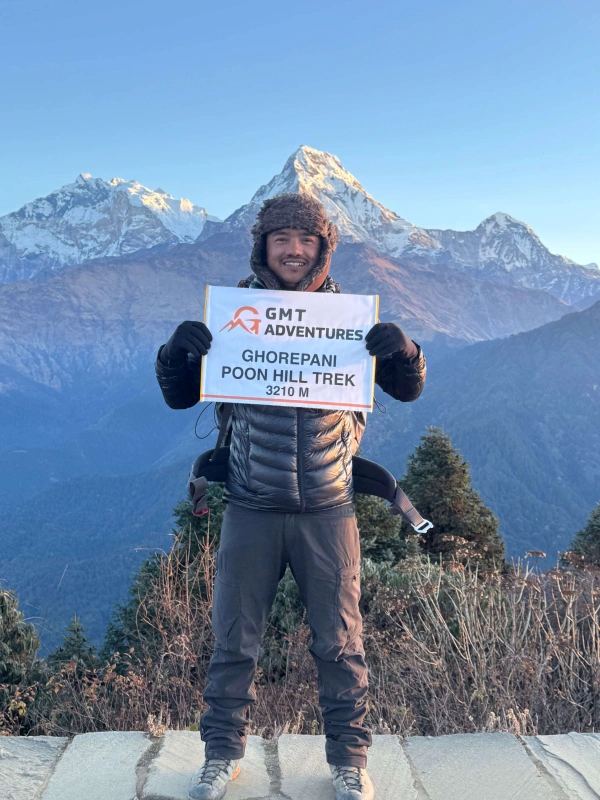
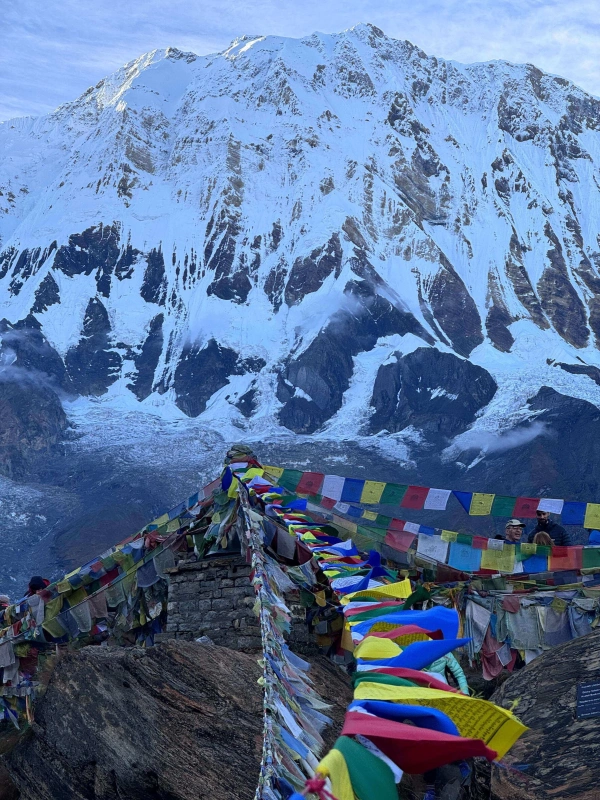
The Khopra Danda Trek is renowned for its off-the-beaten-path charm and breathtaking viewpoints. Trekkers are rewarded with panoramic vistas of major Himalayan peaks, including Dhaulagiri, Annapurna South, Nilgiri, and Machhapuchhre. One of the trek’s most unique experiences is the optional hike to Khayer Lake, a sacred alpine lake surrounded by dramatic mountain scenery. Unlike busier routes, Khopra offers a sense of solitude, allowing travelers to fully immerse themselves in nature, local culture, and the tranquility of the mountains.