27
Days

3 PEAKS [MERA+ISLAND+LOBUCHE]

8 Reviews in TripAdvisor
6 Reviews in Google Reviews
Wishlist

Embark on a 27-day high-altitude adventure summiting Mera Peak, Island Peak, and Lobuche Peak. Trek through Sherpa villages, cross glaciers and high passes, witness Everest and Himalayan panoramas, and explore Everest Base Camp and Kala Patthar. This expedition combines trekking, mountaineering, and cultural immersion in Nepal’s majestic Khumbu region.

Trip Facts
Duration
27 Days
Trip Grade
Technically Challenging
Country
Nepal
Maximum Altitude
6,476m (Mera Peak Summit)
Group Size
Flexible
Starts
Kathmandu
Ends
Kathmandu
Best Time
Spring (March–May) & Autumn (September–November

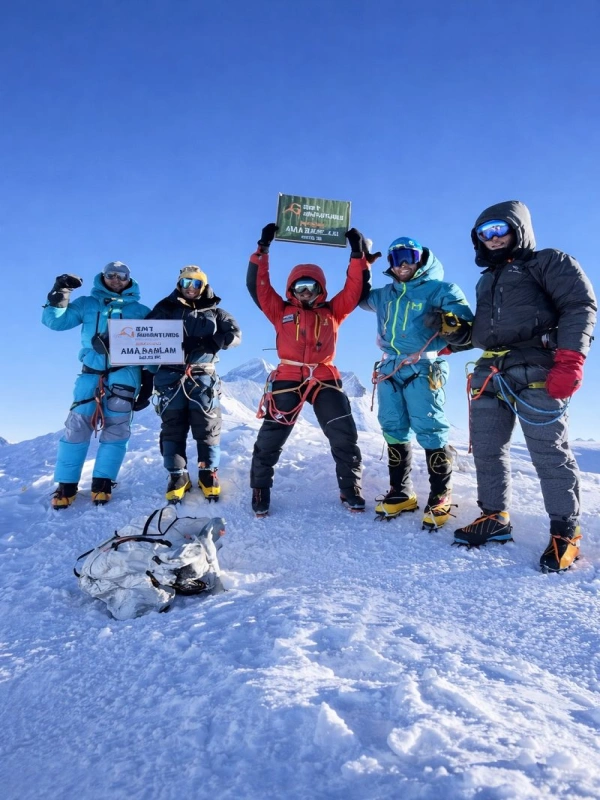
This combined high-altitude expedition is one of the most rewarding trekking and climbing experiences in Nepal, designed for adventurous travelers seeking both challenge and cultural immersion. Over 27 days, participants traverse the Khumbu region, passing through scenic Sherpa villages, alpine meadows, glacial valleys, and rugged mountain trails. The journey culminates in the summits of Mera Peak (6,476m), Island Peak (6,189m), and Lobuche Peak (6,119m), offering breathtaking panoramic views of the world’s tallest peaks, including Everest, Lhotse, Makalu, Cho Oyu, and Ama Dablam. Along the way, trekkers cross high-altitude passes such as the dramatic Amphu Lapcha Pass (5,850m), explore traditional monasteries, and experience the unique hospitality of the Sherpa people. With carefully planned acclimatization and contingency days, expert guides, and full support from porters, this expedition balances the thrill of high-altitude adventure with safety and comfort, creating memories that last a lifetime.

Trip Highlights

  • Summit Mera Peak, Nepal’s highest trekking peak, with spectacular views of the Khumbu region.

  • Climb Island Peak, combining trekking and mountaineering techniques for a classic Himalayan adventure.

  • Conquer Lobuche Peak, offering stunning vistas of the Khumbu range and surrounding glaciers.

  • Trek to Everest Base Camp and hike Kala Patthar to witness sunrise over Mount Everest.

  • Cross Amphu Lapcha Pass, a challenging glacier pass with breathtaking landscapes.

  • Visit remote Sherpa villages, Buddhist monasteries, and high-altitude alpine meadows.

  • Experience the spectacular Himalayan panoramas of Everest, Lhotse, Makalu, Cho Oyu, and Ama Dablam.

  • Balance adventure and safety with acclimatization days, contingency planning, and expert guides.

  • Enjoy full logistical support including lodging, meals, and technical assistance throughout the expedition.

Sherpa Culture and Villages

The Khumbu region is home to the indigenous Sherpa community, whose rich culture and traditions are woven into daily life. Along the trail, trekkers pass through villages like Namche Bazaar, Thame, and Chhukung, where they can observe traditional stone and timber homes, prayer flags fluttering in the wind, and local monasteries. Interaction with Sherpa locals offers insight into their lifestyle, festivals, and mountaineering heritage. Visiting monasteries and local schools adds a meaningful cultural dimension, making this expedition as much about people and culture as it is about mountains.

Scenic Landscapes and Glaciers

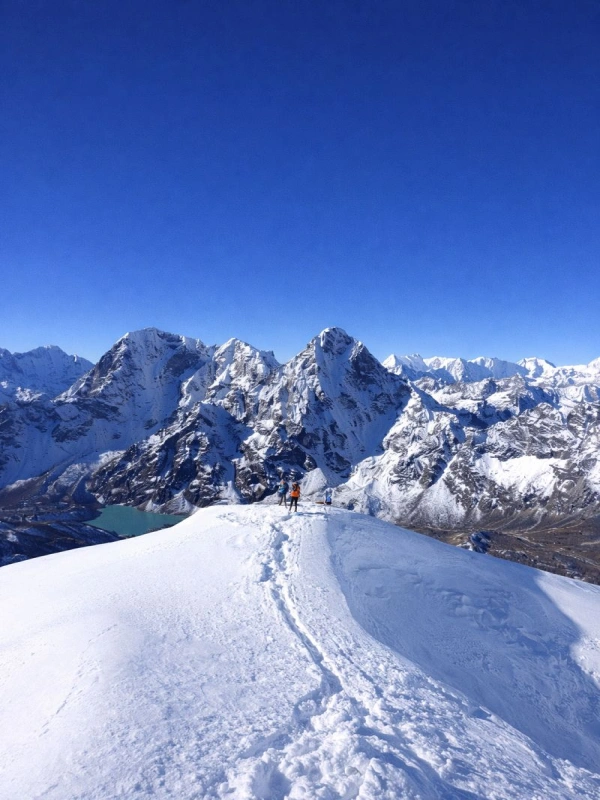
Trekking through the Khumbu region offers an unparalleled visual experience. Trekkers encounter rugged glaciers, turquoise alpine lakes, and moraines sculpted by centuries of ice. Alpine meadows, rhododendron forests, and cascading streams provide natural beauty at every step. Panoramic views of towering peaks including Everest, Lhotse, Makalu, Cho Oyu, and Ama Dablam make every stage of the trek memorable. Wildlife enthusiasts may spot Himalayan birds and occasional mountain mammals, adding diversity to the trekking experience. Photography opportunities abound throughout the expedition.
Short Itinerary and Map

3 PEAKS [MERA+ISLAND+LOBUCHE] Detailed Itinerary

Day 1

Arrival in Kathmandu & Transfer to Hotel

After your arrival at Tribhuvan International Airport, you will be greeted by our representative and transferred to your hotel in Kathmandu. The evening is dedicated to briefing about the expedition, reviewing equipment, checking permits, and answering all trekking-related questions. This day allows you to rest, recover from your flight, and prepare mentally for the high-altitude adventure ahead.

Day 2

Expedition Preparation in Kathmandu

Full day for expedition preparation. Activities include:

  • Final equipment check and packing for high-altitude trekking.

  • Purchase or arrange any additional trekking necessities.

  • Meet with guides for detailed expedition briefing and safety instructions.

  • Optional sightseeing in Kathmandu: visit Boudhanath Stupa, Swayambhunath (Monkey Temple), or Thamel for cultural immersion.
    This preparation day ensures all participants are fully ready physically, mentally, and logistically before heading to Lukla.

Day 3

Flight from Kathmandu to Lukla & Trek to Chutanga

An exciting morning flight to Lukla, considered one of the most scenic airport approaches in the world. From Lukla, trekking begins through rhododendron forests, suspension bridges over rushing rivers, and Sherpa villages with stone houses. This first day sets the tone for the expedition, introducing trekkers to high-altitude walking, local culture, and stunning Himalayan scenery.

Day 4

Trek from Chutanga to Tuli Kharka via Zatrawa La Pass

A challenging day climbing to Tuli Kharka via Zatrawa La Pass. Trail passes open alpine valleys, glacial moraines, and yak grazing areas. Stunning views of high Himalayan peaks provide motivation during the ascent. Proper pacing and hydration are essential.

Day 5

Trek from Tuli Kharka to Kothe

Descend slightly to Kothe, a quiet village with authentic Sherpa culture. The trail includes alpine meadows and rocky ridges. Overnight at Kothe allows rest and gradual acclimatization.

Day 6

Trek from Kothe to Thangnak

Trek through high-altitude meadows and yak pastures with panoramic views of Cho Oyu, Makalu, and surrounding peaks. Thangnak provides a quiet, scenic overnight stop and aids continued acclimatization.

Day 7

Trek from Thangnak to Khare

Ascend steadily to Khare, the base for Mera Peak. Trail traverses rocky ridges, moraines, and alpine terrain. Khare lodges are basic but offer panoramic views and serve as preparation for the high-altitude summit attempt.

Day 8

Acclimatization & Preparation Day at Khare

A crucial acclimatization day with optional short hikes around Khare to aid altitude adjustment. Trekkers can practice using crampons and ice axes for Mera Peak climb. Hydration, nutrition, and rest are emphasized. Guides provide safety instructions and climbing strategies.

Day 9

Trek from Khare to Mera High Camp

Trek to Mera High Camp across glacial terrain and rocky ridges. Camp offers stunning panoramic views of Everest, Lhotse, Makalu, and Cho Oyu. Rest and prepare for early morning summit attempt.

Day 10

Summit Mera Peak & Descend to Khare

Early morning climb (~2–3 AM) for the Mera Peak summit. Witness spectacular sunrise over Himalayan giants. Descend to Khare after achieving the summit for rest and acclimatization.

Day 11

Contingency Day at Khare

Reserved for delayed summit attempts or weather issues. Light trekking around Khare or rest.

Day 12

Trek from Khare to Khamedingma

Descend along alpine valleys, passing yak pastures, streams, and glacial moraines. Khamedingma is a small, peaceful village providing rest before the Island Peak section.

Day 13

Trek from Khamedingma to Seto Pokhari

Gradual ascent through high-altitude moraines and frozen lakes. Seto Pokhari offers spectacular views of Ama Dablam, Makalu, and Cho Oyu. Overnight stop for acclimatization before Island Peak climb.

Day 14

Trek from Seto Pokhari to Amphu Lapcha Base Camp

Cross rocky ridges and moraine fields to Amphu Lapcha Base Camp. High camp provides a staging area for Island Peak summit and views of glaciers and towering peaks.

Day 15

Cross Amphu Lapcha Pass & Trek to Chhukung

A challenging day crossing Amphu Lapcha Pass. Navigate snow and ice under guide supervision. Descend to Chhukung village for rest and acclimatization before Island Peak climb.

Day 16

Hike from Chhukung to Island Peak High Camp

Steady ascent to Island Peak High Camp. The camp offers excellent acclimatization, glacier views, and preparation for the summit day.

Day 17

Summit Island Peak & Descend to Chhukung

Early morning summit attempt (~2–3 AM). Witness breathtaking sunrise over Everest, Lhotse, and Ama Dablam. Descend back to Chhukung for overnight rest.

Day 18

Trek from Chhukung to Lobuche

Trek through Khumbu Valley, passing memorials and glacial moraines. Lobuche is a high-altitude settlement offering scenic views and preparation for Lobuche Peak.

Day 19

Trek to Everest Base Camp & Return to Gorakshep

Trek to the iconic Everest Base Camp and return to Gorakshep. Witness spectacular glacial landscapes and high-altitude views of Everest, Nuptse, and Lhotse.

Day 20

Hike to Kala Patthar & Trek Back to Lobuche

Early morning hike to Kala Patthar for sunrise views of Everest. Descend back to Lobuche for rest.

Day 21

Trek from Lobuche to Lobuche High Camp

Ascend to Lobuche High Camp in preparation for summit attempt. High camp offers stunning panoramic mountain views.

Day 22

Summit Lobuche Peak & Descend to Lobuche

Early morning summit attempt for Lobuche Peak. Experience high-altitude climbing with spectacular Himalayan vistas. Descend to Lobuche for overnight rest.

Day 23

Contingency Day (Weather / Safety Reserve)

Buffer day for weather delays or acclimatization issues.

Day 24

Trek from Lobuche to Tengboche

Descend through rhododendron forests and small Sherpa villages to the famous Tengboche Monastery, a spiritual highlight in the Khumbu region

Day 25

Trek from Tengboche to Namche Bazaar

Descend along the Dudh Koshi River, passing pine forests and Sherpa settlements. Namche Bazaar offers a lively market and chance to experience Himalayan culture.

Day 26

Trek from Namche Bazaar to Lukla

Final trekking day. Pass through pine forests, suspension bridges, and villages to reach Lukla. Celebrate the completion of the expedition.

Day 27

Flight from Lukla to Kathmandu & Transfer to Hotel

Take a scenic morning flight from Lukla back to Kathmandu. Upon arrival, transfer to your hotel. The rest of the day is at leisure for rest, shopping, or light sightseeing. This day gives trekkers a chance to relax after the long expedition, enjoy Kathmandu’s culture, or organize photos and memories from the high Himalayas. Evening is perfect for a farewell dinner or cultural program.

Day 28

Final Departure to Homeland

After breakfast, transfer to Tribhuvan International Airport for your international flight. Bid farewell to Nepal with memories of towering Himalayan peaks, unique Sherpa culture, and the completion of your Mera Peak, Island Peak, and Lobuche Peak expedition.

Are you still confuse from where to start? GMT Adventures has solutions.

Cost Details

Included

1. Arrival, Departure & Ground Transportation:

  • Airport pick-up and drop-off services in Kathmandu (Airport–Hotel–Airport) by private vehicle.

  • All necessary ground transportation as per the itinerary.

2. Accommodation in Kathmandu:

  • Three (3) nights hotel accommodation in Kathmandu in a 4-star category hotel.

  • Single room accommodation on a bed and breakfast basis.

3. Welcome Dinner/Farewell Dinner:

  • One welcome/Farewell dinner at a tourist-standard restaurant in Kathmandu with company office staff.

4. Cargo & Customs Clearance:

  • Support for expedition cargo clearance through Nepal Customs.

  • Customs clearance charges are payable separately.

5. Permits & Government Fees:

  • Expedition royalty and climbing permits issued by the Nepal Mountaineering Association (NMA) for Mera Peak (6,476m), Island Peak (6,189m), Lobuche Peak (6,119m)

  • Sagarmatha National Park Entry Permit.

  • Pasang Lhamu Rural Municipality Entry Permit.

6. Garbage Management:

  • Government-mandated garbage deposit fees and stool shipment transfer costs for environmental compliance.

7. Staff Insurance:

  • Medical and emergency rescue insurance for all Nepalese staff involved in the trek and expedition.

8. Maps & Complimentary items:

  • Trekking and climbing map of the expedition area.

  • One GMT expedition duffle bag (175 litre) with Cap per member.

9. Domestic Air Transportation:

  • Round-trip domestic flights between Kathmandu and Lukla (Kathmandu–Lukla–Kathmandu) as per the itinerary.

10. Expedition Equipment Transportation:

  • Transportation of all necessary expedition equipment for members and staff:

  • Kathmandu to Lukla by air cargo

  • Lukla to Base Camp by porters or yaks

  • Return transportation from Base Camp to Lukla by porters or yaks and Lukla to Kathmandu by air cargo

11. Personal Luggage Allowance:

  • Up to 25 kg of personal luggage per member carried by porters during the trek.

12. Meals and Accommodation During the Trek:

  • Three (3) meals per day (breakfast, lunch, and dinner), including tea, coffee, and hot boiled water, with accommodation in lodges or tents on a shared basis during the trek and expedition.

13. High Camp & Summit Meals:

  • High-altitude meals provided at high camps and on summit days for members and climbing staff.

14, Logistical Arrangements:

  • All logistical arrangements during the trek and expedition, including camping equipment and kitchen setup.

15. Porter Support:

  • Porters provided to carry expedition and personal luggage up to Base Camp and back.

16. High-Altitude Climbing Guide:

  • One (1) highly experienced, government-licensed climbing Guide per member (1:1 ratio) for the entire climbing period from Base Camp to the summit and return.

17. Assistant Climbing Guide & Benefits:

  • Assistance with carrying climbing gear to high camps.

  • Assistant climbing guide’s salary, food, clothing, equipment, and insurance included.

  • Carry bonus and route-fixing charges covered.

16. Emergency Backup Oxygen:

  • One emergency oxygen cylinder with mask and regulator available at Base Camp for emergency use (usage subject to additional charge).

18. High Camp Services:

  • High-camp infrastructure including high-altitude tents, lighting, cooking equipment, EPI gas, cooking utensils, and high-altitude food for members, Guide, and support staff.

19. High-Altitude Tents:

  • Shared high-altitude tent accommodation at high camps (two members per tent).

20. Weather Forecast Service & Medical Kit:

  • Regular weather forecast reports provided throughout the expedition.

  • Comprehensive medical kit available for members and expedition staff.

22. Climbing Certificate:

  • Three Peaks Climbing Certificate issued by the Nepal Mountaineering Association (NMA) upon successful ascent of Mera Peak, Island Peak, and Lobuche Peak.

Excluded

1. International Travel & Entry Requirements:

  • International Airfare to and from Kathmandu and Nepal entry visa fee, payable upon arrival at Tribhuvan International Airport.

2. Banking & Payment Requirements:

  • Wire transfer & Bank service fees for all payments made to GMT Adventures bank account. 

3. Meals & Accommodation in Kathmandu:

  • Meals in Kathmandu other than those specifically included in the itinerary.

  • Extra accommodation in Kathmandu due to early arrival, late departure, flight delays, itinerary changes, or unforeseen circumstances.

4. Personal Expenses:

  • Personal expenses during the trek and Kathmandu, including but not limited to Telephone calls & Internet/WIFI charges, alcoholic beverages, specialty coffee or espresso drinks, soft drinks, bottled or canned beverages, laundry services, Hot shower, Battery recharging and electronic device charging and Toiletries & personal care items.

5. Insurance & medical coverage:

  • Comprehensive personal travel Insurance & High-altitude climbing insurance, including coverage for emergency medical treatment and Helicopter evacuation.

6. Personal Climbing equipment & Gear:

  • Personal equipment and mountaineering gear like Hight altitude boots, Harness, down suit or high-altitude clothing & personal sleeping gears and accessories.

  • Personal toiletries and individual equipment.

7. Filming, Photography & Drone Permits:

  • Fees for special filming, professional photography, media coverage, or drone permits required by Nepalese authorities.

8. Summit Bonus for Climbing Guide:

  • Summit bonus for each climbing Guide is not included.

  • Mandatory summit bonus for each peak minimum USD 200.

9. Tips & Gratuities:

  • Tips for porters, high camp staff, and other support staff are not included. A minimum estimated amount of USD 250 per member is recommended (porter tip approx. USD 200).

Essential Information

High-Altitude Trekking Essentials

High-altitude trekking is physically demanding and requires careful preparation. Trekkers need to focus on cardiovascular fitness, leg strength, and endurance training months before the expedition. Acclimatization is critical for preventing altitude sickness, and our itinerary is carefully designed with rest days and gradual elevation gains to allow the body to adjust. Proper hydration, nutrition, and pacing are emphasized, and our experienced guides monitor participants closely to ensure a safe and enjoyable trekking experience.

Safety and Acclimatization

Safety is a priority throughout the expedition. Our itinerary includes acclimatization days at key points like Khare, Chhukung, and Lobuche to reduce risks of altitude-related illness. Guides are trained to monitor physical responses to high altitude and adjust trekking speed accordingly. Participants are briefed on proper hydration, nutrition, and the signs of altitude sickness. In case of emergency, evacuation options and communication devices are in place. This careful planning ensures trekkers can experience summit attempts while minimizing health risks.

Trekking and Climbing Equipment

A successful expedition relies on appropriate gear. Essential equipment includes high-quality down jackets, insulated boots, trekking poles, crampons, ice axes, harnesses, gloves, and layered clothing for changing weather. Wearing proper clothing and using technical gear ensures safety on icy slopes, snowfields, and high passes. Guides provide additional equipment checks and demonstrate correct use before summit attempts. Packing smartly and carrying only necessary items improves comfort and mobility throughout the expedition.

Health and Fitness Requirements

Participants should have good physical fitness and prior trekking experience. Daily trekking involves 5–8 hours on steep, rocky, and sometimes icy trails. Preparation should include cardiovascular exercises, leg strengthening, and endurance training. Proper acclimatization, rest, and a gradual pace help reduce the risk of altitude sickness. This expedition is suitable for those committed to both physical preparation and mental endurance for challenging high-altitude terrain.

Travel Permits and Fees

The expedition requires permits including the Sagarmatha National Park permit, TIMS card, and climbing peak permits for Mera, Island, and Lobuche Peaks. All permits are arranged through the trekking agency, ensuring legal and safe access to protected areas. Permit fees contribute to the conservation of Nepal’s natural landscapes and support local communities.

Emergency Support

Safety and contingency planning are integral to the expedition. Experienced guides monitor participants’ health, pace, and acclimatization, while porters assist with luggage and logistical support. Communication devices, evacuation options, and emergency plans are in place at all stages. The team prioritizes safety without compromising the adventure, ensuring a secure and enjoyable experience in the high Himalayas.

Good to Know

Why Choose GMT Adventures?

Choosing GMT Adventures means trekking with a company that blends local expertise, professional expedition experience, and personal attention to every detail. CEO Gesman, who worked alongside Nims Purja during the 14 Peaks project, brings world-class high-altitude experience and expedition standards to every trek. From itinerary planning to guide selection and safety measures, every aspect is handled with professionalism, ensuring a smooth, safe, and memorable trekking experience.

GMT Adventures focuses on client comfort and satisfaction. With experienced guides, well-structured itineraries, transparent services, and hands-on management, the company ensures travelers can fully immerse themselves in the Himalayas while leaving logistics, safety, and support to the professionals. Trekking with GMT Adventures guarantees a seamless, high-quality, and rewarding Everest journey.

Personalized Journeys Made Simple with GMT Adventures

Customization is essential because every traveler has unique preferences, fitness levels, schedules, and expectations, which can greatly influence the overall trekking experience. By allowing adjustments in pace, itinerary, accommodation standards, or rest days, each journey can be tailored to ensure maximum comfort, safety, and enjoyment. With GMT Adventures, this flexibility is fully supported, allowing trekkers to design an adventure that aligns perfectly with their personal needs and goals. Personalized planning ensures that every experience is not only memorable but also fully adapted to the traveler’s individual preferences, making each journey both rewarding and stress-free.

You May Also Like

Need Help? Call Us+977 9823373306