13
Days

Gokyo Lake Trek

12 Reviews in TripAdvisor
6 Reviews in Google Reviews
Wishlist

The Gokyo Lakes Trek is a scenic Himalayan journey through the Everest region, offering peaceful trails, beautiful glacial lakes, and stunning mountain views. The highlight of the trek is the climb to Gokyo Ri, which provides breathtaking panoramas of Mount EverestLhotseMakalu, and Cho Oyu, making it a perfect alternative to the classic **Everest Base Camp trek.

Trip Facts
Duration
13 Days
Trip Grade
Strenuous
Country
Nepal
Maximum Altitude
5357m
Group Size
Flexible
Starts
Kathmandu
Ends
Kathmandu
Activities
Trekking, cultural exploration, sightseeing, and mountain viewing
Best Time
Spring (March–May) | Autumn (September–November)

The Gokyo Lakes Trek is one of the most spectacular trekking adventures in the Everest region of Nepal. This scenic journey takes trekkers through traditional Sherpa villages, alpine forests, glacial valleys, and high mountain landscapes before reaching the beautiful turquoise lakes of Gokyo. Compared with the classic route to Everest Base Camp, this trek is quieter and offers a more peaceful Himalayan experience while still providing breathtaking mountain scenery.

The trek’s major highlight is the ascent of Gokyo Ri (5,357m), a famous viewpoint that offers one of the finest panoramas in the Khumbu region. From its summit, trekkers can admire the majestic peaks of Mount EverestLhotseMakalu, and Cho Oyu. The trail also passes alongside the massive Ngozumpa Glacier, the longest glacier in Nepal, making the trek a remarkable blend of natural beauty, culture, and high-altitude adventure.

Trip Highlights

  • Scenic mountain flight from Kathmandu to Lukla, the gateway to the Everest region.

  • Explore the sacred and stunning turquoise Gokyo Lakes.

  • Hike to Gokyo Ri for panoramic views of Everest and surrounding peaks.

  • Walk beside the massive Ngozumpa Glacier.

  • Experience authentic Sherpa culture in villages like Namche Bazaar and Machhermo.

  • Enjoy breathtaking Himalayan views including Everest, Lhotse, Makalu, and Cho Oyu.

  • Trek through the pristine landscapes of Sagarmatha National Park, a UNESCO World Heritage Site.

The Beauty of the Gokyo Lakes

The Gokyo Lakes are a group of six glacial lakes located in the upper Khumbu region of Nepal. Their striking turquoise color, surrounded by rugged mountains and icy glaciers, makes them one of the most scenic landscapes in the Himalayas.

These lakes also hold religious importance for both Hindus and Buddhists. Pilgrims occasionally visit the lakes for spiritual rituals, adding cultural and spiritual significance to the region.

View from Gokyo Ri

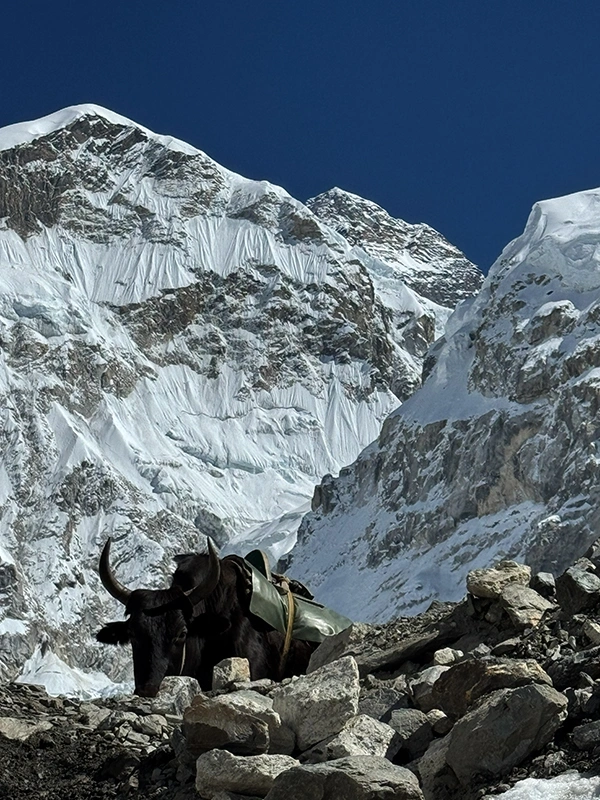
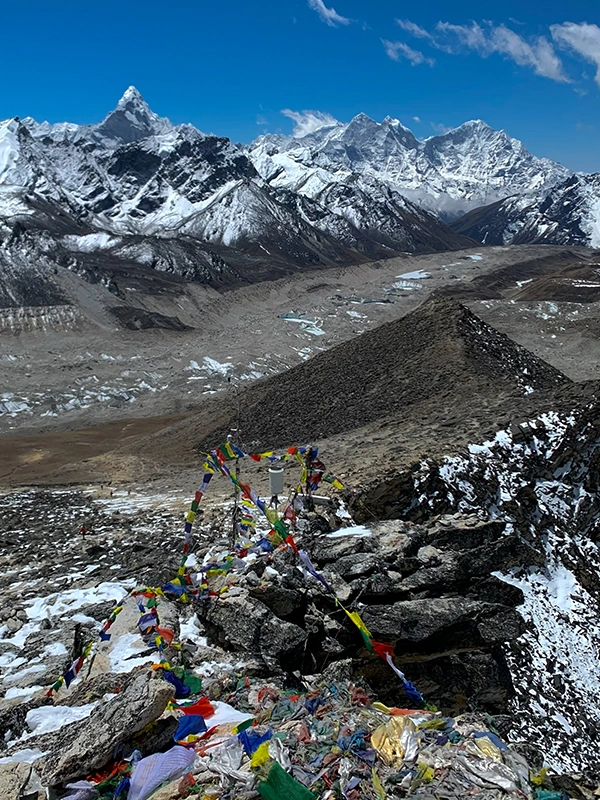
Climbing Gokyo Ri is one of the most rewarding experiences during the trek. The ascent is steep but manageable, and the summit rewards trekkers with a breathtaking Himalayan panorama.

From the top, trekkers can see four of the world’s highest mountains: Everest, Lhotse, Makalu, and Cho Oyu. The sunrise view from Gokyo Ri is especially unforgettable as the golden sunlight illuminates the snow-covered peaks.
Short Itinerary and Map

Gokyo Lake Trek Detailed Itinerary

Day 1

Arrival in Kathmandu

Upon arrival at Tribhuvan International Airport, you will be welcomed by a trekking representative and transferred to your hotel in Kathmandu. After check-in, you may relax after your journey or explore the lively streets of the tourist district nearby, where you can find restaurants, trekking shops, and local markets. In the evening, a short briefing about the upcoming trek may be provided.

Day 2

Kathmandu Sightseeing & Trek Preparation

Today you will explore some of the cultural highlights of Kathmandu including UNESCO World Heritage sites such as Swayambhunath, Pashupatinath Temple, Boudhanath Stupa, and Kathmandu Durbar Square. These historic temples and monuments reflect Nepal’s unique blend of Hindu and Buddhist traditions. In the afternoon, you will attend a trek briefing, meet your guide, and finalize trekking equipment and permits for the journey ahead.

Day 3

Flight to Lukla & same day trek to Phakding

Early in the morning, you will take a scenic mountain flight from Kathmandu to Lukla, offering stunning views of the Himalayan ranges. After landing at Lukla, the gateway to the Everest region, you will meet porters and begin trekking along a gentle trail through small Sherpa villages and forests beside the Dudh Koshi River. The trail gradually descends toward Phakding, where you will stay overnight in a comfortable mountain teahouse.

Day 4

Trek to Namche Bazaar

Today’s trek follows the Dudh Koshi River valley and crosses several suspension bridges before reaching the entrance of Sagarmatha National Park. The trail then climbs steeply through forests of pine and rhododendron before arriving at Namche Bazaar, the main trading center and cultural hub of the Khumbu region. The town is surrounded by spectacular mountain scenery and offers bakeries, cafés, and trekking shops.

Day 5

Acclimatization Day in Namche Bazaar

To help your body adjust to the higher altitude, you will spend an acclimatization day in Namche Bazaar. A popular hike leads to Everest View Hotel, one of the highest placed hotels in the world, offering spectacular views of Mount Everest, Ama Dablam, and other surrounding peaks. After the hike, you may visit the Sherpa Museum or explore the lively markets of Namche.

Day 6

Trek to Kyanjuma

Leaving Namche Bazaar, the trail follows a scenic path along the hillside with beautiful views of Everest and Ama Dablam. The trek continues through forests and small settlements before reaching the peaceful village of Kyanjuma, which is known for its quiet atmosphere and impressive mountain panoramas.

Day 7

Trek to Machhermo

Today the trail leaves the main Everest Base Camp route and enters the scenic Gokyo Valley. Passing through villages such as Dole and Lhabarma, you will walk through alpine landscapes with yak pastures and dramatic mountain views. The trek gradually ascends until you reach Machhermo, a small settlement located in a beautiful high-altitude valley.

Day 8

Trek to Gokyo

The trail continues along the edge of the massive Ngozumpa Glacier before reaching the stunning turquoise waters of the sacred Gokyo Lakes. Surrounded by towering Himalayan peaks, the small settlement of Gokyo provides one of the most beautiful high-altitude landscapes in Nepal.

Day 9

Early morning hike to Gokyo Ri (5,357 m) & Trek to Machhermo

Early in the morning you will hike to Gokyo Ri, one of the best viewpoints in the Everest region. From the summit you can enjoy breathtaking panoramic views of Everest, Cho Oyu, Lhotse, and Makalu along with the entire Gokyo lake system. After enjoying the sunrise and scenery, you will descend and trek back to Machhermo for the night.

Day 10

Trek to Namche Bazaar

Today you will retrace the trail back through Dole and Kyanjuma while enjoying scenic views of the surrounding mountains and valleys. The descent is easier and allows you to enjoy the landscapes as you return to the lively town of Namche Bazaar.

Day 11

Trek to Lukla

The final trekking day follows the Dudh Koshi River valley, passing through villages such as Monjo and Phakding before reaching Lukla. In the evening, many trekkers celebrate the successful completion of the trek with their guides and porters.

Day 12

Flight to Kathmandu

In the morning, you will take a scenic flight back to Kathmandu from Lukla. After arriving in the city, you will be transferred to your hotel where you can relax, explore the city, or shop for souvenirs.

Day 13

Final Departure

Your Gokyo Lake trekking adventure concludes today. According to your flight schedule, you will be transferred to Tribhuvan International Airport for your international departure.

Are you still confuse from where to start? GMT Adventures has solutions.

Cost Details

Included

1. Airport Transfer: 

  • Arrival and Departure airport transfer from airport to hotel and Hotel to Airport by a Private vehicle 

2. Accommodation in Kathmandu: 

  • 3 nights hotel stay in Kathmandu on B&B (Bed & Breakfast) basis. 

3. Sightseeing around Kathmandu: 

  • Sightseeing around the UNESCO world heritage sites including Boudhanath and Swoyambunath stupa  

4. Domestic Flights

  • Round-trip flights for members and guide on the route Kathmandu – Lukla – Kathmandu  

5. Ground Transportation: 

  • All required ground transportation during sightseeing  as per the itinerary.  

6. Permits & Entry fees: 

  • Khumbu Pasang Lhamu Rural Municipality Entry Fee 

  • Sagarmatha National Park Entry Fee  

7. Accommodation & Meals during trek: 

  • Full board meal (Breakfast, lunch & dinner) and Accommodation during the trek  

8. Guide & Porter service: 

  • Experienced licensed trekking guide and porters for luggage support 

9. Nepali staff expenses: 

  • All transportation, accommodation, meals, and daily wages for Nepali staff during the trek 

10. Company service charges & Staff Insurance

  • All applicable government taxes and company service charges included 

  • Accidental insurance coverage for Nepali trekking staff (guide and porters) 

11. Government Taxes: 

  • Government taxes and local charges are included in the package price. 

Excluded

1. International Airfare:

  • International flights to and from Kathmandu

2. Meals in Kathmandu:

  • Lunch and dinner during your stay in Kathmandu (unless otherwise specified in the itinerary)

3. Rescue & evacuation service:

  • Cost of emergency rescue and evacuation, including helicopter services, if required

4. Travel Insurance:

  • Personal travel insurance (mandatory)

  • Insurance must cover high-altitude trekking and emergency evacuation

5. Personal expenses:

  • Laundry service, Toiletries & personal items, Alcoholic & non-alcoholic beverages, specialty coffee are excluded in the package

6. Tips & Bonus:

  • Tips for Nepali staff (guide and porters), customary and expected at the end of the trek

7. Communication & Internet:

  • Extra charges for internet/Wi-Fi, phone calls, device charging, and other communication services during the trek

Equipment Lists

Before starting the Gokyo Lakes Trek, it is important to prepare the right equipment to ensure comfort and safety in the high-altitude environment of the Everest Region. Proper trekking gear helps protect against cold temperatures, changing weather conditions, and long walking days while making the journey more enjoyable and manageable. Below is a list of essential equipment recommended for the trek.

Head
+
  • Warm hat / beanie
  • Sun hat / cap
  • Buff or scarf
  • Sunglasses (UV-protected)
     
Upper Body
+
  • Base layer shirts (moisture-wicking)
  • Fleece jacket or sweater
  • Insulated down jacket
  • Lightweight wind/waterproof jacket
     
Hands
+
  • Light trekking gloves
  • Insulated / warm gloves
  • Glove liners (optional)
     
Lower Body
+
  • Trekking pants
  • Insulated pants (optional)
  • Thermal leggings / base layer
  • Shorts (optional)
     
Foot Wear
+
  • Waterproof trekking boots (broken-in)
  • Camp shoes / sandals
  • Wool or synthetic trekking socks
  • Liner socks (optional)
     
Travel Documents
+
  • Passport & visa
  • Trekking permits
  • Travel insurance copy
     
Sun Stuffs
+
  • Sunscreen (SPF 30+)
  • Lip balm with SPF
     
Toiletries
+
  • Toothbrush
  • Toothpaste
  • Quick-dry towel
  • Biodegradable soap / shampoo
  • Moisturizer / hand cream
  • Toilet paper / wet wipes
  • Personal hygiene items
     
Eating & Drinking
+
  • Water bottles or hydration system (2–3 liters)
  • Water purification tablets / filter
  • Lightweight bowl, cup, and spoon/fork (optional)
     
Sleeping Bags
+
  • Three-season sleeping bag (–5°C to –10°C)
  • Optional liner
Bag Packs
+
  • Daypack (20–30 L)
  • Duffel bag / main backpack (50–65 L)
  • Dry bags / plastic covers for rain protection
Medical & First Aid
+
  • Personal medication
  • Painkillers / anti-inflammatory medicine
  • Anti-altitude sickness medication (if prescribed)
  • Bandages / blister pads
  • Antiseptic cream
  • Hand sanitizer
Miscellaneous
+
  • Trekking poles (recommended)
  • Headlamp with extra batteries
  • Camera or smartphone
  • Notebook and pen / travel journal
  • Lightweight snacks (energy bars, nuts)
  • Plastic bags for trash

Essential Information

Accommodation on the Trek

Accommodation during the trek is provided in traditional teahouses run by local families. These lodges offer basic but comfortable twin rooms with shared bathrooms and warm dining areas where trekkers gather in the evenings.

Teahouses also provide beautiful views of the surrounding mountains and a welcoming atmosphere that allows trekkers to experience local hospitality and culture.

Food and Drinking Water

Meals along the trek include a variety of Nepali and international dishes such as dal bhat, noodles, soups, fried rice, and potatoes. These meals provide the necessary energy for trekking at high altitude.

Drinking water is available at teahouses, but trekkers are advised to use purification tablets or filtered water to ensure safe hydration throughout the trek.

Trekking Difficulty

The Gokyo Lake Trek is considered moderately challenging due to its altitude and terrain. Trekkers typically walk between 5–7 hours per day along forest trails, rocky paths, and glacial moraines.

Although the trek does not require technical climbing skills, good physical fitness and proper preparation are important to enjoy the journey comfortably.

Cultural Experience

The Khumbu region is home to the Sherpa community, known for their mountaineering heritage and rich traditions. During the trek, visitors pass through several Sherpa villages where they can observe local lifestyles and Buddhist culture.

Colorful prayer flags, monasteries, and mani walls along the trail reflect the deep spiritual traditions of the region and enhance the cultural experience of the trek.

Wildlife and Natural Environment

The trek passes through Sagarmatha National Park, which is home to diverse Himalayan wildlife and vegetation. Trekkers may encounter animals such as Himalayan tahr, musk deer, and various species of birds.

During spring, the forests bloom with rhododendron flowers, creating vibrant landscapes that add to the beauty of the trekking route.

Good to Know

Trekking Permits

Trekkers need two main permits: the Sagarmatha National Park Permit and the Khumbu Pasang Lhamu Rural Municipality Permit. These permits help support conservation efforts and maintain trekking infrastructure in the region.

Altitude Considerations

Because the trek reaches elevations above 5,000 meters, proper acclimatization is essential. Trekking slowly, drinking plenty of water, and including rest days help reduce the risk of altitude sickness.

Weather and Seasons

Spring and autumn provide the most stable weather conditions with clear skies and excellent mountain views. Winter is colder but quieter, while the monsoon season brings rain and cloudy conditions.

Communication and Connectivity

Internet and phone services are available in some villages such as Namche Bazaar, although connections may be slow or limited at higher elevations.

Packing Essentials

Trekkers should pack warm clothing, sturdy trekking boots, a sleeping bag, sunscreen, and basic medical supplies to stay comfortable and safe throughout the trek.


You May Also Like

Best Picks
Everest Base Camp Trek

Everest Base Camp Trek (Standard Package)

Duration
16 Days
Trip Grade
Moderate
Everest Three Passes Trek & EBC

Everest Three Passes Trek & EBC

Duration
20 Days
Trip Grade
Strenuous
noimage

Gokyo + EBC Trek Via Chola Pass

Duration
17 Days
Trip Grade
Strenuous
Need Help? Call Us+977 9823373306