17
Days

Gokyo + EBC Trek Via Chola Pass

8 Reviews in TripAdvisor
6 Reviews in Google Reviews
Wishlist

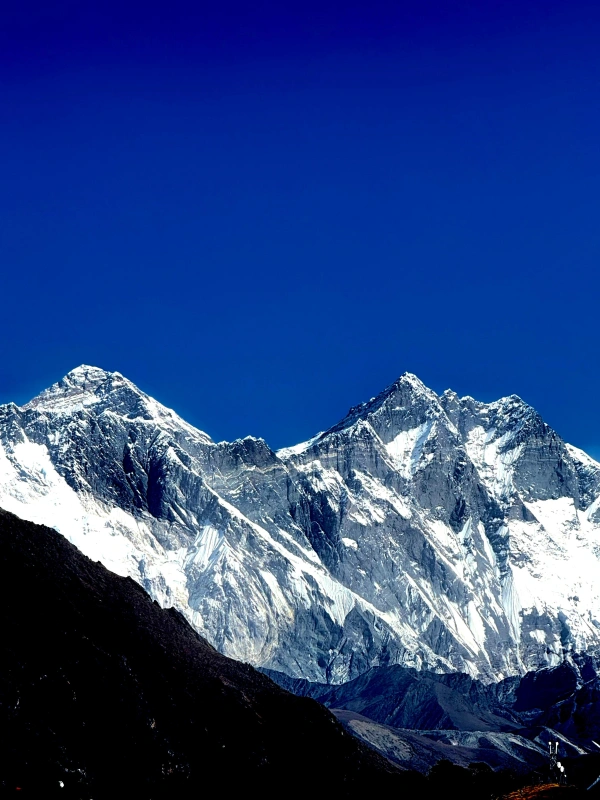
Embark on the Everest Base Camp & Gokyo Trek for breathtaking Himalayan views, including Mount Everest, Lhotse, and Ama Dablam. Explore glacial valleys, turquoise Gokyo Lakes, and traditional Sherpa villages while crossing high-altitude passes like Cho La. This adventure combines stunning landscapes, cultural experiences, and safe acclimatization for an unforgettable trek in Nepal.

Trip Facts
Duration
17 Days
Trip Grade
Strenuous
Country
Nepal
Maximum Altitude
5,550 meters
Group Size
Flexible
Starts
Kathmandu
Ends
Kathmandu
Best Time
Spring (March–May) & Autumn (late September–November)

Embark on a journey to the roof of the world with the Everest Base Camp & Gokyo Trek, one of the most iconic high-altitude treks in the Himalayas. This trek offers a unique combination of adventure, natural beauty, and cultural immersion. You will traverse lush valleys, cross glacial rivers, explore ancient Sherpa villages, and hike to high-altitude viewpoints that provide panoramic vistas of Mount Everest, Lhotse, Cho Oyu, and Ama Dablam. The trek is designed with acclimatization days to ensure a safe ascent, allowing you to fully enjoy the majestic landscapes without compromising health. From the turquoise waters of the Gokyo Lakes to the historic Everest Base Camp, every step of this journey is a memory of a lifetime.

Trip Highlights

  • Trek to Everest Base Camp (5,364m), standing at the foot of the world’s highest peak.

  • Hike to Kala Patthar (5,550m) for breathtaking panoramic views of Everest and surrounding peaks.

  • Explore the Gokyo Valley and hike to Gokyo Ri, a perfect spot for sunrise and photography.

  • Cross the challenging Cho La Pass (5,420m), offering awe-inspiring views of glacial landscapes and high Himalayan peaks.

  • Experience life in traditional Sherpa villages like Namche Bazaar, Khumjung, and Mong.

  • Discover monasteries, mani walls, chortens, and learn about Sherpa spiritual and cultural practices.

  • Trek through Sagarmatha National Park, a UNESCO World Heritage Site, with its unique flora and fauna.

  • Witness stunning natural features including rhododendron forests, glaciers, and turquoise alpine lakes.

  • Acclimatization days in Namche Bazaar and Gokyo to ensure a safe high-altitude experience.

Sherpa Culture & Local Experiences

The Khumbu region is home to the Sherpa people, renowned for their mountaineering expertise and rich cultural heritage. Along the trek, travelers will pass through traditional villages such as Khumjung, Mong, and Namche Bazaar, offering insight into the Sherpa way of life. Trekkers will also encounter monasteries, chortens, and mani walls, reflecting the spiritual and cultural practices that have been preserved for centuries.

Engaging with local communities provides a deeper understanding of their customs, beliefs, and daily routines. Trekkers can observe local festivals, interact with families, and witness the resilience and hospitality of the Sherpa people. These experiences complement the trekking adventure, making the journey not only a physical challenge but also an immersive cultural exploration.

Flora, Fauna & Natural Beauty

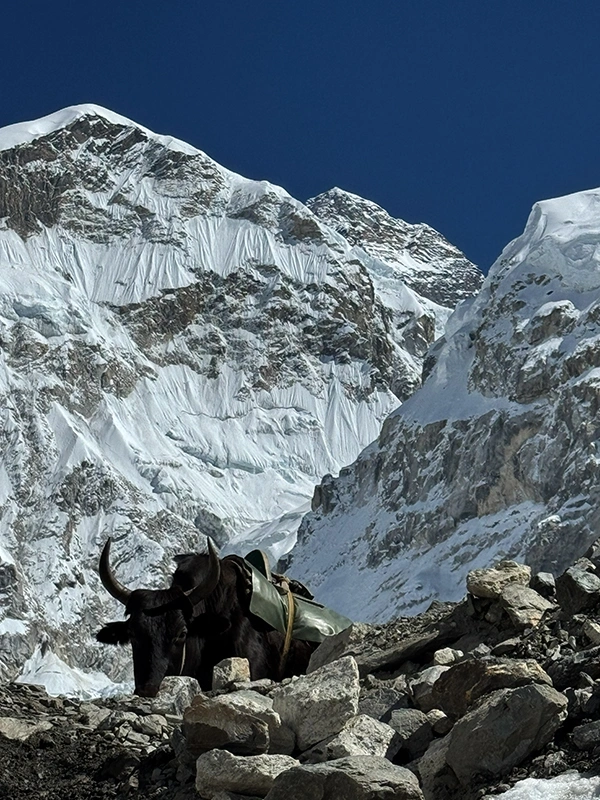
The trek passes through Sagarmatha National Park, a UNESCO World Heritage Site, known for its diverse ecosystems and scenic landscapes. Trekkers can spot wildlife such as Himalayan tahr, musk deer, red pandas, and a variety of bird species. The trail also traverses rhododendron forests, alpine meadows, and glacial valleys, creating a dynamic and photogenic trekking experience.

One of the most striking natural features is the Gokyo Lakes, a series of turquoise glacial lakes considered sacred by locals. The pristine environment, combined with views of the surrounding peaks and glaciers, makes this trek a unique adventure that blends natural beauty with high-altitude challenge. These landscapes provide ample opportunities for photography, wildlife observation, and nature appreciation.

Everest Base Camp & Panoramic Views

Reaching Everest Base Camp (5,364m) is the pinnacle of this trek. Here, trekkers can explore the base camp area, witness climbers preparing for summit attempts, and experience the raw power of the Himalayas firsthand. Nearby Kala Patthar (5,550m) offers arguably the best viewpoint for Mount Everest, especially during sunrise or sunset, providing breathtaking panoramic views of Everest, Lhotse, and Nuptse.

This high-altitude experience combines the thrill of adventure with the awe of natural grandeur. Trekkers have the opportunity to capture incredible photographs, soak in the atmosphere of the world’s highest peaks, and reflect on the accomplishment of completing one of the most iconic treks in the world. The experience at Everest Base Camp and Kala Patthar is often the highlight of the journey, leaving lifelong memories.

Short Itinerary and Map

Gokyo + EBC Trek Via Chola Pass Detailed Itinerary

Day 1

Arrival in Kathmandu

Arrive at Tribhuvan International Airport, meet your guide, and transfer to your hotel. Relax or explore Kathmandu’s streets at leisure.

Day 2

Rest Day in Kathmandu & Preparation

Explore Thamel’s shops, markets, and cafes. Optional visits to Swayambhunath or Pashupatinath Temple. Evening briefing and equipment check.

Day 3

Kathmandu to Lukla Flight & Trek to Phakding

Scenic flight to Lukla with Himalayan views. Trek along the Dudh Koshi River, passing forests and Sherpa villages to Phakding.

Day 4

Phakding to Namche Bazaar

Trek through Sagarmatha National Park, cross suspension bridges, and climb to Namche Bazaar with views of Thamserku and Kangtega peaks.

Day 5

Acclimatization in Namche Bazaar

Acclimatize with optional hikes to Everest View Hotel and explore Namche’s markets and local culture.

Day 6

Namche Bazaar to Dole

Trek through Khumjung and Mong, visit a local school and Yeti scalp, then ascend to the peaceful village of Dole.

Day 7

Dole to Machhermo

Pass through rhododendron forests and streams, observing chortens and mani walls before reaching Machhermo village.

Day 8

Machhermo to Gokyo & Hike to Gokyo Ri

Trek to the scenic Gokyo Valley, then hike to Gokyo Ri for panoramic views of Everest, Cho Oyu, and Lhotse.

Day 9

Gokyo to Thagnak (4,700m) & 4th Lake Hike

Morning hike to the fourth turquoise Gokyo Lake, then descend to the valley village of Thagnak.

Day 10

Thagnak to Cho Dzongla via Cho La Pass

Cross the challenging Cho La Pass with breathtaking views of Ama Dablam and Cholatse, then descend to Cho Dzongla.

Day 11

Cho Dzongla to Lobuche

Trek across the Khumbu Glacier, passing memorials for climbers before arriving at Lobuche village.

Day 12

Lobuche to Gorak Shep & Kala Patthar Hike

Trek to Gorak Shep, then hike to Kala Patthar for panoramic Everest views at sunset.

Day 13

Gorak Shep to Everest Base Camp & Pheriche

Early trek to Everest Base Camp, explore and take photos, then descend to Pheriche for the night.

Day 14

Pheriche to Namche Bazaar

Retrace steps through Sherpa villages with Himalayan vistas en route back to Namche Bazaar.

Day 15

Namche Bazaar to Lukla

Trek through Monjo and Phakding villages, reaching Lukla in the evening to celebrate trek completion.

Day 16

Lukla to Kathmandu (Flight)

Scenic flight back to Kathmandu. Rest, shop, or explore the city at leisure.

Day 17

Departure

Transfer to Tribhuvan International Airport for departure. End of your Everest Base Camp & Gokyo Trek.

Are you still confuse from where to start? GMT Adventures has solutions.

Cost Details

Included

1. Accommodation in Kathmandu: 

  • 3 nights hotel accommodation in Kathmandu on a Bed & Breakfast basis 

2. Domestic Flights: 

  • Round-trip domestic flight tickets from Kathmandu/Ramechhap to Lukla 

  • Flights included for both trekkers and Nepali staff (guide and porters) 

3. Ground Transportation: 

  • All airport transfers and required ground transportation including sightseeing in Kathmandu 

4. Accommodation & meals during Trek: 

  • All main meals included: Breakfast, Lunch, and Dinner & Accommodation during trek 

5. Permit & Entry fees: 

  • Sagarmatha National Park Entry Permit 

  • Khumbu Pasang Lhamu Rural Municipality Entry Permit (Local Permit) 

6. Guide & porter service: 

  • Experienced, licensed, English-speaking trekking guide with porter on shared basis to carry the duffel bag  

7. Staff Insurance & Company Charges: 

  • Accidental insurance coverage for Nepali trekking staff (guide and porters) 

  • All applicable government taxes and company service charges included 

8. Group equipment & Safety: 

  • Group trekking equipment and First-aid medical kit and basic emergency supplies 

9. Complimentary Items

  • GMT Adventures branded duffle bag (75 litre)

  • GMT Adventures branded cap.
     

Excluded

1. International Airfare

  • International flights to and from Kathmandu.

2. Meals in Kathmandu

  • Lunch and dinner during your stay in Kathmandu

3. Travel Insurance

  • Personal travel insurance (Must cover high-altitude trekking and emergency evacuation)

4. Emergency & Rescue service

  • Cost of emergency rescue and evacuation, including helicopter services, if required

5. Personal expenses

  • Internet, telephone call, laundry service, Toiletries & personal items, Alcoholic & non-alcoholic beverages, specialty coffee are excluded in the package

7. Personal Trekking Equipment

  • Personal trekking gear and equipment like trekking boots, down jacket, sleeping bag (Equipment can also be rented in Kathmandu at an own additional cost)

8. Tips & Bonus

  • Tips for Nepali staff (guide and porters), customary and expected at the end of the trek

  • Tips for Guide: USD 250 - 300 Minimum

  • Tips for Porter: USD 200 Minimum

9. Extra charges during trek

  • Charges for battery charging, hot showers (often extra at lodges), and communication services during the trek

Equipment Lists

A detailed list of recommended equipment is listed below to help trekkers prepare effectively for the journey.

Head
+
  • Warm hat / beanie

  • Sun hat / cap

  • Buff or scarf

  • Sunglasses (UV-protected)

Upper Body
+
  • Base layer shirts (moisture-wicking)

  • Fleece jacket or sweater

  • Insulated down jacket

  • Lightweight wind/waterproof jacket

Hands
+
  • Light trekking gloves

  • Insulated / warm gloves

  • Glove liners (optional)

Lower Body
+
  • Trekking pants

  • Insulated pants (optional)

  • Thermal leggings / base layer

  • Shorts (optional)

Foot Wear
+
  • Waterproof trekking boots (broken-in)

  • Camp shoes / sandals

  • Wool or synthetic trekking socks

  • Liner socks (optional)

Travel Documents
+
  • Passport & visa

  • Trekking permits (Langtang National Park & TIMS)

  • Travel insurance copy

Sun Stuffs
+
  • Sunscreen (SPF 30+)

  • Lip balm with SPF

Toiletries
+
  • Toothbrush

  • Toothpaste

  • Quick-dry towel

  • Biodegradable soap / shampoo

  • Moisturizer / hand cream

  • Toilet paper / wet wipes

  • Personal hygiene items

Eating & Drinking
+
  • Water bottles or hydration system (2–3 liters)

  • Water purification tablets / filter

  • Lightweight bowl, cup, and spoon/fork (optional)

Sleeping Bags
+
  • Three-season sleeping bag (–5°C to –10°C)

  • Optional liner

Bag Packs
+
  • Daypack (20–30 L)

  • Duffel bag / main backpack (50–65 L)

  • Dry bags / plastic covers for rain protection

Medical & First Aid
+
  • Personal medication

  • Painkillers / anti-inflammatory medicine

  • Anti-altitude sickness medication (if prescribed)

  • Bandages / blister pads

  • Antiseptic cream

  • Hand sanitizer

Miscellaneous
+
  • Trekking poles (recommended)

  • Headlamp with extra batteries

  • Camera or smartphone

  • Notebook and pen / travel journal

  • Lightweight snacks (energy bars, nuts)

  • Plastic bags for trash

Essential Information

Acclimatization & High-Altitude Trekking

Trekking in the Everest region involves long days at high altitudes, with some points exceeding 5,500 meters. Proper acclimatization is critical to prevent altitude sickness, which can affect even experienced trekkers. This itinerary includes rest and acclimatization days in Namche Bazaar and Gokyo, allowing your body to adjust gradually. Short hikes to nearby viewpoints, such as the Everest View Hotel or Gokyo Ri, support acclimatization while providing some of the best scenic vistas in the region.

Hydration, moderate pacing, and following the guidance of experienced trekking staff are essential strategies for a safe trek. Trekkers are encouraged to monitor their physical condition and communicate any symptoms of altitude sickness immediately. By following proper acclimatization techniques, trekkers can enjoy high-altitude trekking safely, ensuring a rewarding experience while appreciating the Himalayas’ grandeur.

Safety, Preparation & Gear

High-altitude trekking requires careful preparation and proper gear. Essential items include layered clothing for extreme weather, trekking boots, insulated jackets, trekking poles, and quality backpacks. Fitness training prior to the trek improves stamina and endurance, which is critical for long trekking days at high altitudes. Travel insurance covering high-altitude trekking is strongly recommended.

Experienced guides and support staff accompany the group throughout the trek, ensuring safety, navigation, and smooth logistics. By preparing adequately and following the advice of trekking professionals, travelers can focus on enjoying the breathtaking landscapes, cultural experiences, and physical achievements of the Everest Base Camp & Gokyo Trek.

Weather & Best Time to Trek

The Everest region experiences dramatic seasonal changes that affect trekking conditions. The most popular trekking seasons are pre-monsoon (March to May) and post-monsoon (late September to November). During these periods, the weather is generally stable, skies are clear, and views of the mountains are spectacular. Temperatures vary significantly between day and night, especially at higher altitudes, so proper layering is essential.

Winter months (December to February) bring colder temperatures and snow, which can make trails challenging but offer a more solitary experience. Monsoon season (June to August) is less recommended due to heavy rainfall, landslides, and obstructed mountain views. Understanding seasonal patterns helps trekkers plan their journey safely and ensures optimal conditions for photography and exploration.

Physical Fitness & Trekking Difficulty

The Everest Base Camp & Gokyo trek is considered moderate to challenging, requiring endurance, stamina, and some prior trekking experience. Trekkers will face long walking days, steep ascents, and high-altitude trails, especially when crossing passes like Cho La. Proper physical preparation, including cardio workouts, stair climbing, and leg strength exercises, enhances trekking performance and enjoyment.

Fitness also plays a critical role in acclimatization. Being physically fit reduces fatigue, allows your body to adjust better to thinner air, and decreases the risk of altitude-related illnesses. A well-prepared trekker can focus on the adventure and scenery rather than struggling with exhaustion, making the experience safer and more rewarding.

Lodging & Tea House Experience

Accommodation along the trek is primarily in teahouses and lodges, which provide basic comfort, warm meals, and shelter at high altitudes. Most lodges offer twin-sharing rooms, bedding, and common dining areas, creating a friendly environment for trekkers to meet others and share experiences. While amenities may be basic, the warmth of the hospitality is unparalleled.

Lodges also serve as cultural hubs where trekkers can interact with local Sherpas, taste traditional meals, and learn about regional practices. Some lodges offer charging facilities, Wi-Fi, and hot showers, though these are limited at higher altitudes. Staying in teahouses allows trekkers to experience authentic Himalayan life while maintaining comfort during long, high-altitude days.

Trekking Permits & Regulations

Trekking in the Everest region requires specific permits, including the Sagarmatha National Park Permit (SNP) and the Khumbu Pasang Lhamu Rural Municipality (KPRM) Permit. These permits ensure that the region is protected and that trekking activities are regulated. Visitors are also expected to follow local guidelines for conservation and environmental protection.

Trekkers should carry valid permits at all times, as they may be checked by park authorities or police along the trail. Proper documentation ensures smooth trekking logistics, supports conservation efforts, and contributes to the local economy, which relies heavily on tourism. Understanding permit requirements in advance prevents delays and ensures a stress-free journey.

Food, Nutrition & Hydration

Maintaining proper nutrition and hydration is critical on a high-altitude trek. Tea houses along the trail provide a mix of local Nepalese dishes like dal bhat, momo, and noodles, as well as Western meals. Trekkers are encouraged to eat balanced meals, including carbohydrates and proteins, to sustain energy levels during long walking days.

Hydration is equally important, as dehydration can worsen the effects of altitude sickness. Trekkers should drink plenty of water and consider electrolyte supplements. Many lodges offer boiled or filtered water, but it’s advisable to carry a personal water bottle or purification tablets. Paying attention to nutrition and hydration ensures energy, stamina, and overall health throughout the trek.

Photography & Scenic Highlights

The Everest Base Camp & Gokyo trek offers incredible photography opportunities, from panoramic Himalayan peaks to serene alpine lakes. Sunrise at Kala Patthar or Gokyo Ri captures Everest, Lhotse, and Ama Dablam in spectacular light, while turquoise Gokyo Lakes reflect the surrounding mountains. The trail also provides countless photo opportunities of Sherpa villages, monasteries, and wildlife.

Photographers should carry a durable camera, extra batteries, and protective gear for extreme cold and dust. Respect local customs when photographing people or religious sites. By planning ahead, trekkers can capture unforgettable moments and share the visual story of their high-altitude adventure.

Good to Know

Why Choose GMT Adventures for Gokyo + EBC Trek?

GMT Adventures is your trusted partner for a safe Ama Dablam and Lobuche East Peak Expedition with the Everest Base Camp Trek. Our expert Sherpa guides provide extensive support for climbers, ensuring a memorable and successful climb. Here are the top reasons to choose GMT Adventures for your high-altitude expeditions in Nepal:

Certified Elite Mountaineering Experts: Our team comprises elite Sherpa guides who are certified by both national and international mountaineering associations. We have completed multiple summits of Ama Dablam and Lobuche, helping us familiarize ourselves with the diverse challenges, rugged terrain, microclimates, and weather patterns of the Khumbu region.

Strategic Acclimatization Schedules to Reduce Risks of Altitude Sickness: Your safety and well-being are paramount. As your journey takes you to regions above 5,000 meters, there is a significant increase in the risk of altitude-related sickness, which can be fatal if not managed promptly. To reduce such risks, we have strategically included rest and acclimatization days. Additionally, we encourage the climbers to stay hydrated, consume nutritious food, and avoid alcoholic beverages throughout the expedition.

Highly Skilled and Dedicated Sherpa Support: Our Sherpa guides and support staff are highly trained with remarkable endurance and navigation skills. You will find constant support and guidance from these professionals throughout your journey, including expert navigation, critical gear support, and transportation. They will also assist you by fixing ropes and ladders, and conducting life-saving rescue operations.

Sustainability and Community Commitment: We believe in sustainability and eco-friendliness. Through our expedition, we give back to the mountains by helping empower local communities, creating economic growth opportunities, and ensuring proper waste management.

Transparent and No Hidden Costs: Our expedition packages are fully transparent and inclusive. You will find prices that cover all necessary permits, expedition services, dedicated Sherpa support, and essential supplementary oxygen. This commitment to financial transparency allows you to complete your journey with peace of mind.

Customization and Personalized Experience

GMT Adventures understands that every traveler has unique needs, preferences, and schedules. The Everest Base Camp along with Ama Dablam and Lobuche peak can be fully customized, including itinerary length, walking pace, accommodation standards, extra acclimatization days, and pre- or post-trek activities. This ensures a journey tailored to individual comfort, interests, and fitness levels without compromising safety or experience quality.

Before departure, GMT Adventures provides a detailed trek briefing, covering route details, daily walking hours, altitude considerations, accommodation, meals, packing essentials, and safety protocols. This personalized preparation allows every client to trek with confidence, knowledge, and peace of mind. Combining customization with professional guidance and local expertise, GMT Adventures ensures each Everest Base Camp with Ama Dablam and Lobuche peak is a unique and unforgettable Himalayan adventure.
 

You May Also Like

Best Picks
Everest Base Camp Trek

Everest Base Camp Trek (Standard Package)

Duration
16 Days
Trip Grade
Moderate
noimage

Everest Base Camp Trek (Luxury Package)

Duration
13 Days
Trip Grade
Moderate
Need Help? Call Us+977 9823373306