Climbing Mount Everest is the ultimate adventure for mountaineers. Standing at 8,848 meters (29,031 ft), it’s not just about reaching the summit—it’s about enduring extreme altitude, harsh weather, and physically demanding terrain. Success on Everest requires comprehensive physical and mental preparation. Here’s a complete guide to getting ready for this extraordinary journey.
🏔️ How to Prepare Physically and Mentally for an Everest Expedition

Understand the Demands of Everest
Before training begins, it’s crucial to know what you’re preparing for:
- Altitude: Oxygen levels drop significantly above 5,500 meters. Climbers face risk of acute mountain sickness (AMS), high-altitude pulmonary edema (HAPE), and cerebral edema (HACE).
- Physical effort: Climbers spend 6–12 hours trekking in extreme cold and steep, uneven terrain.
- Mental stress: Crowding, extreme weather, and decision-making under fatigue test your resilience.
Understanding these challenges helps tailor both physical and mental training.
Physical Preparation
Cardiovascular Fitness
Everest demands long hours of climbing at high altitude. Strong cardiovascular health is essential.
- Training tips:
- Running, cycling, swimming, or stair climbing 4–6 times per week
- Incorporate long-distance hikes with a weighted backpack
- Interval training to improve oxygen efficiency
Strength and Endurance
Muscles and joints must endure prolonged exertion. Focus on:
- Leg strength: Squats, lunges, step-ups, and weighted hikes
- Core stability: Planks, sit-ups, and rotational exercises for balance
- Upper body: Pull-ups, push-ups, and carrying loads for base camp activities
Trekking-Specific Training
Simulate trekking conditions:
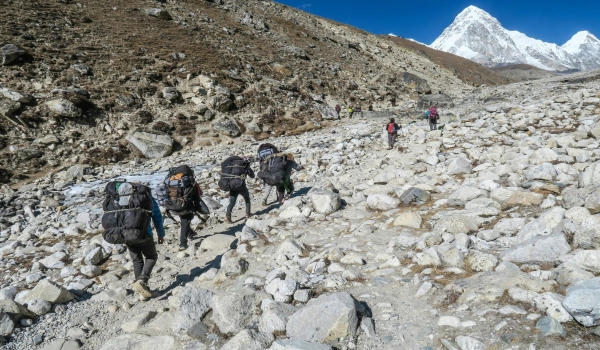
- Hike on trails with elevation gain
- Wear the gear and backpack you’ll use on the expedition
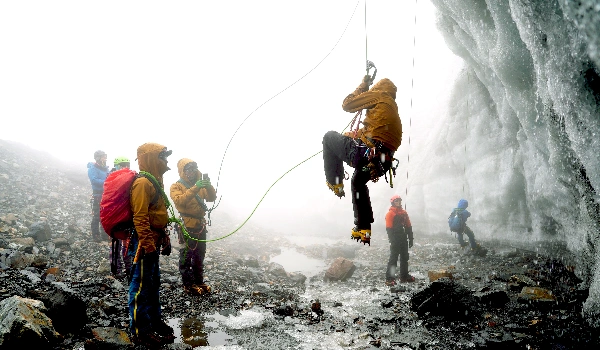
- Practice using trekking poles and crampons if possible
Flexibility and Recovery
Prevent injuries with stretching, yoga, and foam rolling. Adequate sleep and recovery days are essential to avoid overtraining.
Mental Preparation
Build Mental Resilience
Everest tests your mind as much as your body. Prepare for:
- Patience during long acclimatization periods
- Coping with fear and discomfort
- Handling decision-making under extreme stress
Tips: Meditation, mindfulness, or visualization exercises can help you stay calm and focused.
Simulate High-Stress Scenarios
Practice problem-solving during fatigue:
- Endurance challenges like night hikes or cold-weather camping
- Controlled exposure to altitude on smaller peaks
- Mental rehearsal of emergency situations
Prepare for Isolation and Teamwork
Expeditions require working closely with guides and other climbers. Strengthen your ability to:
- Communicate clearly under stress
- Stay motivated and supportive
- Make collaborative decisions
Acclimatization Planning
Even the fittest climbers need time to adjust to altitude:
- Follow the “climb high, sleep low” strategy
- Include rest days during the trek
- Practice gradual ascents on smaller peaks before Everest
- Learn to recognize early symptoms of altitude sickness
Nutrition and Hydration
- Eat a balanced diet rich in carbohydrates, proteins, and healthy fats to fuel training and recovery
- Maintain proper hydration to optimize oxygen delivery
- Consider iron and vitamin supplements if recommended by your doctor
Gear Familiarity
- Train with your Everest gear (boots, crampons, down suits, gloves) to avoid surprises
- Practice using supplemental oxygen systems at altitude if possible
- Test all equipment in simulated conditions for comfort and efficiency
✅ Conclusion
Preparing for Mount Everest goes far beyond basic fitness. Physical endurance, strength, flexibility, and cardiovascular health are critical, but mental resilience, focus, and teamwork are equally important. With consistent training, proper acclimatization, and realistic preparation, you can increase your chances of not just surviving—but thriving—on the world’s highest peak.
Remember: Climbing Everest is a journey of both the body and the mind. The more you prepare, the more rewarding your summit experience will be.
Need Help? Call Us+977 9823373306orChat with us on WhatsApp

Latest Travel Blogs

Need Help? Call Us+977 9823373306