
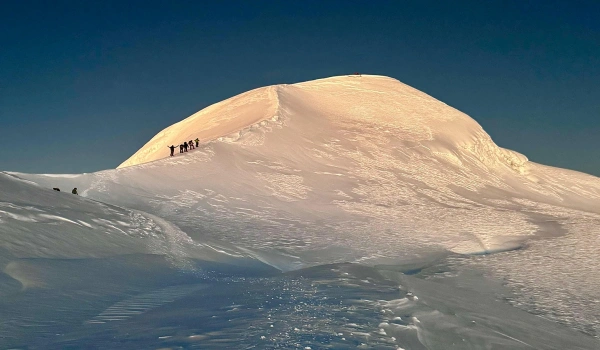
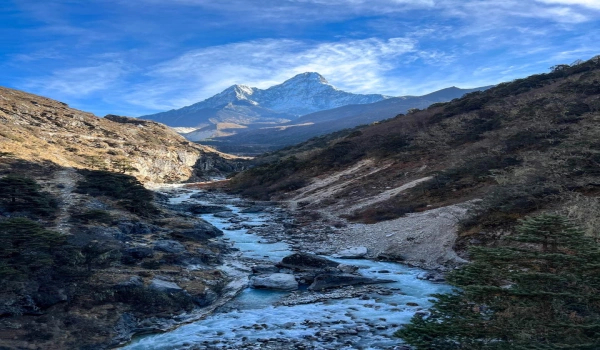

Climbing Mera Peak is a dream adventure for many trekkers who want to experience Himalayan mountaineering. Standing at 6,476 meters, Mera Peak is considered one of the best trekking peaks for beginners. However, despite being less technical than other Himalayan climbs, many climbers face difficulties because of simple but critical mistakes. Understanding these common mistakes can help climbers prepare better and increase their chances of a safe and successful summit.
Ignoring Proper Acclimatization
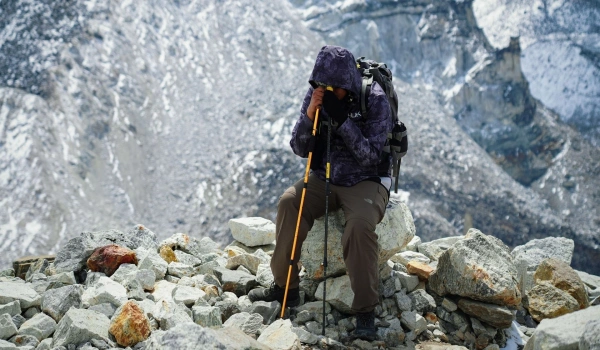
One of the biggest mistakes climbers make is ascending too quickly without proper acclimatization. At high altitudes, the oxygen level decreases significantly, which can lead to altitude sickness. Symptoms such as headaches, dizziness, nausea, and fatigue can occur if the body does not adjust properly.
A well-planned itinerary that gradually increases altitude is essential. Spending extra acclimatization days and staying hydrated can help the body adapt to the high altitude conditions during the expedition.
Underestimating the Difficulty
Many climbers assume that Mera Peak is easy because it is labeled as a beginner-friendly trekking peak. While the climb is not highly technical, it still involves glacier travel, cold temperatures, and long trekking days. The summit day can be physically demanding due to the thin air and early morning start.
Climbers who underestimate the challenge may struggle during the expedition. Proper training, mental preparation, and understanding the physical demands of high-altitude climbing are important.
Poor Physical Preparation
Another common mistake is starting the expedition without proper physical training. The trek to Mera Peak involves several days of hiking, often 5–7 hours per day, through remote valleys and high mountain terrain.
Climbers should prepare with regular cardio exercises such as hiking, running, cycling, and strength training. Building endurance before the trip can significantly improve performance and reduce fatigue during the climb.
Inadequate Gear and Equipment
High-altitude environments require specialized clothing and mountaineering gear. Some climbers bring insufficient equipment or underestimate how cold the conditions can become near the summit.
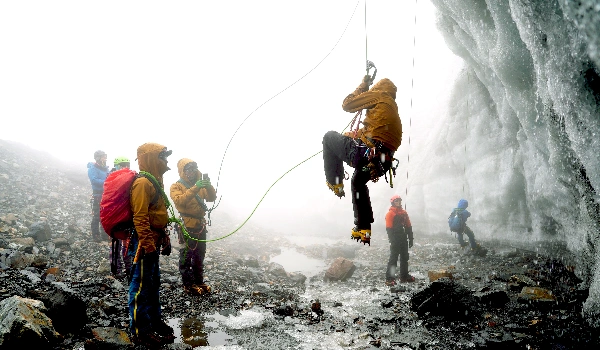
Essential gear includes insulated clothing, proper mountaineering boots, crampons, ice axes, gloves, and sleeping bags designed for extreme cold. Having the right equipment is crucial for both safety and comfort during the expedition.
Not Listening to Guides
Experienced guides and Sherpas play a critical role in ensuring safety during a climb. Some climbers make the mistake of ignoring advice about pacing, hydration, or weather conditions.
Following the instructions of professional guides is important, especially when climbing in unfamiliar high-altitude environments. Their experience helps climbers avoid dangerous situations and make better decisions during the expedition.
Poor Hydration and Nutrition
At high altitudes, the body requires more fluids and energy. Many climbers fail to drink enough water or eat sufficient meals during the trek, which can lead to fatigue and slower acclimatization.
Maintaining proper hydration and consuming energy-rich foods helps climbers maintain strength and endurance throughout the expedition.
Conclusion
Climbing Mera Peak is an incredible experience and a great introduction to Himalayan mountaineering. While the climb is achievable for beginners, success depends on proper preparation and awareness of potential challenges.
Avoiding common mistakes such as skipping acclimatization, underestimating the difficulty, neglecting training, and ignoring guide instructions can make a significant difference. With careful planning, the right equipment, and a positive mindset, climbers can enjoy a safe and rewarding journey to one of Nepal’s most spectacular Himalayan summits.