Is Mera Peak Difficult?
In terms of technical difficulty, Mera Peak is classified as a non-technical or moderately difficult climb. Unlike highly technical Himalayan peaks, the ascent mainly involves glacier walking and gradual snow slopes rather than steep rock or ice climbing.
However, the climb should not be underestimated. The main difficulty comes from high altitude, long trekking days, and cold weather conditions. At nearly 6,500 meters, the thin air significantly reduces oxygen levels, making even simple movements feel exhausting.
For trekkers with good physical fitness and basic mountaineering training, Mera Peak is considered one of the most achievable Himalayan summits.
Factors That Make Mera Peak Challenging
High Altitude
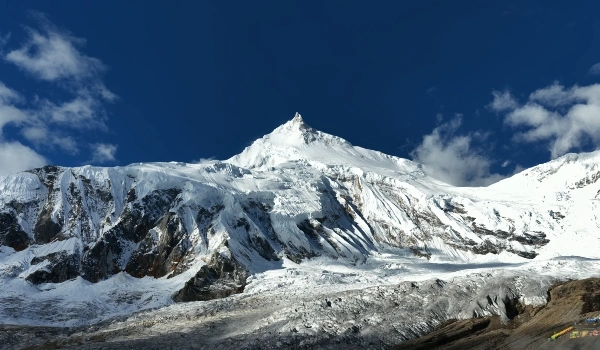
The biggest challenge when climbing Mera Peak is the altitude. The summit sits at 6,476 meters, where oxygen levels are roughly half of what they are at sea level. This can lead to symptoms of altitude sickness if climbers ascend too quickly.
Proper acclimatization is crucial during the trek. Most itineraries gradually ascend through the remote valleys of the Everest region, allowing the body to adapt to the thinner air before the summit push.
Long Trekking Duration
A typical Mera Peak expedition lasts 17 to 20 days, starting with a flight to Lukla and trekking through remote Himalayan valleys and traditional Sherpa villages.
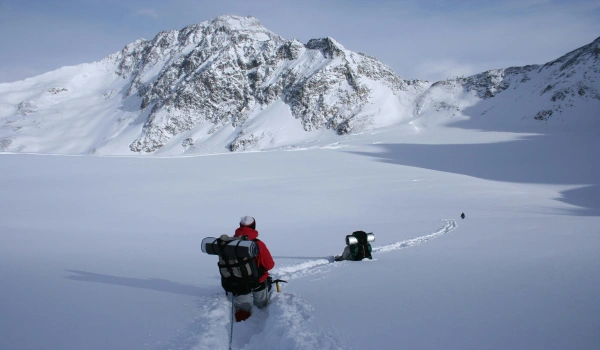
Trekkers pass through beautiful but isolated areas such as Hinku Valley, where trails involve multiple days of walking through forests, alpine meadows, and glacier landscapes. The long duration and daily hiking hours can be physically demanding for beginners.
Summit Day Challenge
Summit day is usually the most demanding part of the expedition. Climbers often start their ascent around 2–3 AM from high camp to reach the summit at sunrise.
The climb involves walking on a glacier using crampons, ropes, and ice axes. While the slope is gradual, the high altitude and cold temperatures can make the final ascent slow and exhausting.
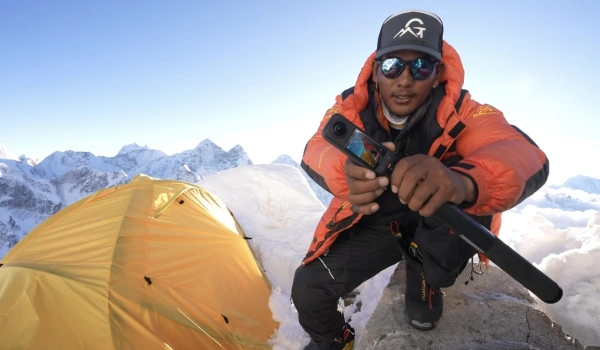
However, reaching the summit rewards climbers with one of the best panoramic views in the Himalayas, including five of the world’s highest peaks.
Weather and Cold Conditions
Weather in the high Himalayas can change quickly. Temperatures near the summit can drop to -15°C to -25°C, especially during early morning summit attempts.
Strong winds and sudden snowfall can make the climb more challenging, which is why climbers must be equipped with proper mountaineering clothing and gear.
Technical Skills Required
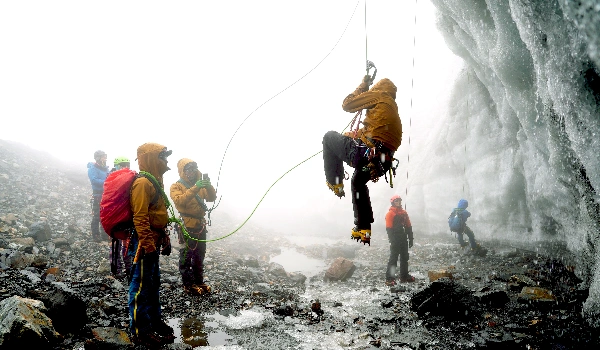
One reason Mera Peak is ideal for beginners is that technical climbing skills are minimal. Most trekking agencies provide a short training session before the summit attempt where climbers learn how to use:
-
Crampons
-
Ice axe
-
Climbing harness
-
Fixed ropes
-
Ascender devices
With guidance from experienced climbing guides and Sherpas, even first-time climbers can safely attempt the summit.
Physical Fitness Requirements
Although Mera Peak is not technically difficult, climbers must be physically prepared. The expedition requires:
-
Hiking 5–7 hours per day for multiple days
-
Carrying a backpack during high-altitude trekking
-
Maintaining stamina for the long summit day
Training before the expedition should focus on cardiovascular endurance, leg strength, and stamina, such as hiking, running, cycling, or stair climbing.
Best Time to Climb Mera Peak
The best seasons for climbing Mera Peak are:
These months offer stable weather, clearer skies, and safer climbing conditions in the Everest region.
Why Mera Peak is Perfect for Beginner Climbers
Despite the challenges, Mera Peak is often recommended as the ideal introduction to Himalayan mountaineering because:
-
The climb is non-technical compared to other peaks
-
It offers excellent acclimatization routes
-
Climbers receive professional guidance from experienced Sherpas
-
The summit provides incredible Himalayan views
For many adventurers, summiting Mera Peak becomes the first step toward bigger Himalayan expeditions.
Final Thoughts
Climbing Mera Peak is challenging but achievable for beginners who are physically prepared and properly guided. While the altitude and long trekking days demand endurance, the climb itself is not highly technical.
With the right training, equipment, and acclimatization schedule, beginners can safely experience the thrill of standing on one of Nepal’s most spectacular trekking peaks. For those dreaming of climbing in the Himalayas, Mera Peak offers the perfect balance between adventure, challenge, and unforgettable mountain scenery.