Climbing Mera Peak is an incredible adventure that takes climbers to an altitude of 6,476 meters (21,247 ft). While the peak is considered beginner-friendly compared to other Himalayan climbs, one of the biggest risks during the expedition is altitude sickness. As climbers gain elevation, the oxygen level in the air decreases, which can make breathing harder and put stress on the body. Understanding how to prevent altitude sickness is essential for a safe and successful climb.
Ascend Gradually and Follow Proper Acclimatization
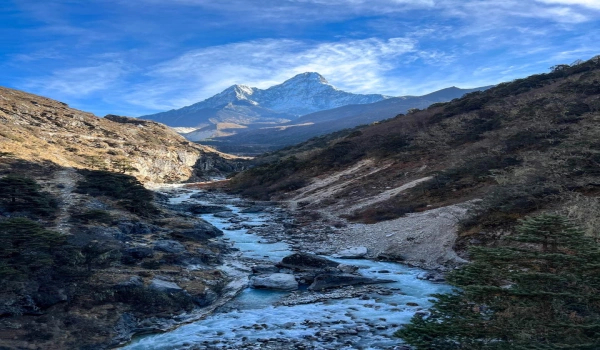
The most effective way to prevent altitude sickness is to ascend slowly and allow the body time to adjust to higher elevations. Most Mera Peak expeditions follow a gradual trekking route after flying to Lukla and trekking through remote areas such as the Hinku Valley.
Taking rest days at higher elevations helps the body adapt to reduced oxygen levels. Skipping acclimatization days or climbing too quickly significantly increases the risk of altitude sickness.
Stay Hydrated and Eat Well
Proper hydration plays an important role in preventing altitude sickness. Climbers should drink at least 3–4 liters of water per day during the trek. Dehydration can make altitude symptoms worse and slow down the acclimatization process.
Eating regular, energy-rich meals is also important. Foods that are high in carbohydrates help provide energy and make it easier for the body to adapt to high-altitude conditions.
Maintain a Slow and Steady Pace
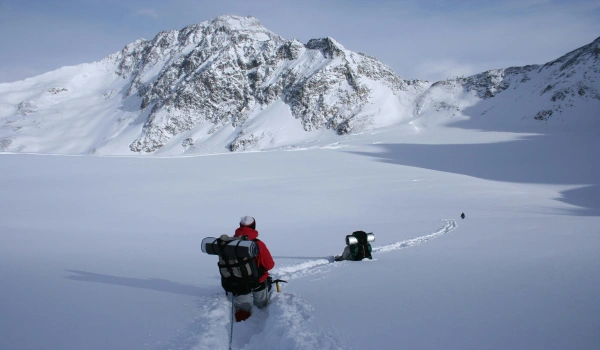
Many climbers make the mistake of walking too fast during the trek. At high altitudes, it is important to maintain a slow and steady pace to conserve energy and avoid overexertion. Moving gradually allows the body to adapt better to the lower oxygen levels.
Experienced guides often encourage trekkers to follow the “climb high, sleep low” principle, where climbers hike to a higher elevation during the day and descend slightly to sleep.
Recognize Early Symptoms
Being aware of the early signs of altitude sickness is crucial. Common symptoms include:
-
Headache
-
Nausea or dizziness
-
Loss of appetite
-
Fatigue or difficulty sleeping
If these symptoms appear, it is important to rest and inform your guide immediately. In some cases, descending to a lower altitude may be necessary to avoid serious health risks.
Consider Preventive Medication
Some climbers choose to take preventive medications such as Acetazolamide (commonly known as Diamox) to help speed up the acclimatization process. However, medication should only be taken after consulting a doctor before the expedition.
Listen to Experienced Guides
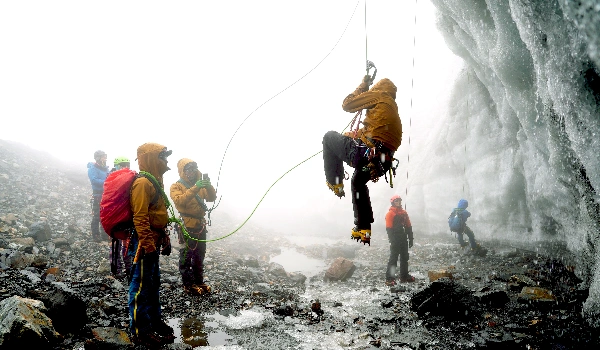
Guides and Sherpas who work in the Everest region have extensive experience with altitude conditions. Following their instructions regarding pacing, hydration, and acclimatization is one of the best ways to stay safe during the climb.
They can also monitor climbers for early symptoms of altitude sickness and make important decisions if conditions become risky.
Conclusion
Preventing altitude sickness is one of the most important aspects of a successful climb of Mera Peak. By ascending gradually, staying hydrated, maintaining a steady pace, and paying attention to early symptoms, climbers can significantly reduce the risk of altitude-related problems.
With proper preparation, guidance from experienced climbers, and a careful acclimatization plan, beginners can safely enjoy the incredible journey to the summit and experience some of the most breathtaking views in the Himalayas.